

Understanding the Power of Beliefs in Achievement
Have you ever felt held back by invisible barriers that seem to sabotage your success at every turn? You set ambitious goals, work hard, yet somehow find yourself falling short of what you know you’re capable of achieving. The culprit isn’t your intelligence, work ethic, or circumstances—it’s likely your limiting beliefs working silently beneath the surface of your conscious awareness.
Limiting beliefs are deeply ingrained thought patterns that convince you of what’s possible or impossible in your life. They whisper that you’re « not good enough, » that success is « for other people, » or that you « don’t deserve » the life you dream of creating. These beliefs, often formed during childhood or through past experiences, become self-fulfilling prophecies that shape your reality.
Here’s the empowering truth that neuroscience has revealed: your brain possesses remarkable plasticity—the ability to reorganize, rewire, and create new neural pathways throughout your entire life. This means the limiting beliefs that currently constrain you are not permanent fixtures. They’re simply well-worn neural patterns that can be changed through specific, scientifically validated techniques.
In this comprehensive guide, you’ll discover how to reprogram limiting beliefs for success using evidence-based methods grounded in neuroscience research. You’ll learn about the brain’s extraordinary capacity for change, understand the specific mechanisms behind belief formation and transformation, and gain practical strategies to identify and replace disempowering beliefs with ones that support your highest potential.
Whether you’re struggling with self-doubt, imposter syndrome, fear of failure, or any other mental barrier holding you back from success, this article will equip you with the knowledge and tools to fundamentally reshape your internal belief system. The power to transform your beliefs—and thereby your life—lies within your brain’s natural capacity for change.

The Neuroscience Behind Belief Formation
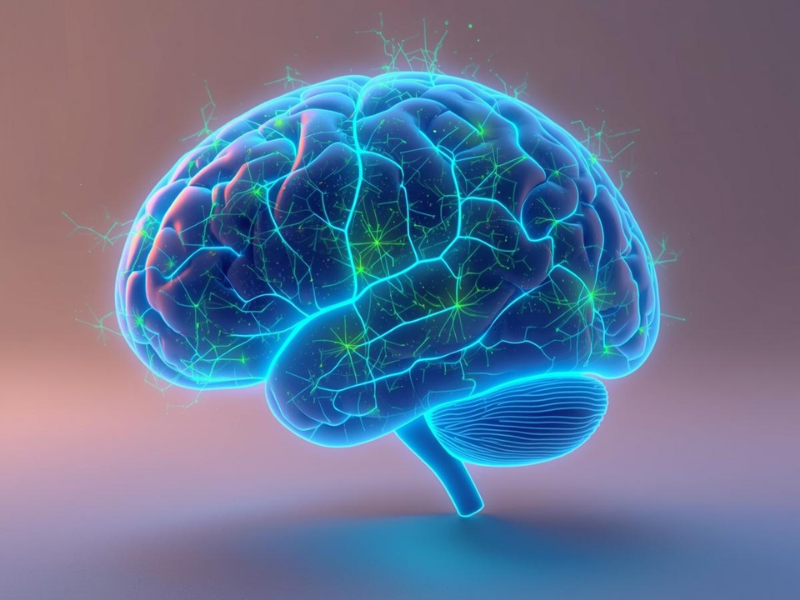
Your beliefs aren’t mysterious or metaphysical—they’re physical structures in your brain. Every belief you hold corresponds to specific neural pathways that have been strengthened through repetition and emotional reinforcement over time.
When you repeatedly think a certain thought, neurons in your brain fire together in particular patterns. According to the foundational principle of neuroplasticity, « neurons that fire together, wire together. » This repeated activation strengthens the synaptic connections between neurons, making those thought patterns increasingly automatic and unconscious.
Research demonstrates that the adult brain is far from being fixed or unchangeable. Within the last four decades, scientific understanding of the mature brain has changed significantly. Today it’s generally accepted that the adult brain is remarkably flexible, with numerous factors—including environmental stimulation, learning, and intentional practice—capable of changing neuronal structures and functions.
Reprogramming limiting beliefs for success involves leveraging neuroplasticity through systematic identification of maladaptive thought patterns, evidence-based cognitive restructuring techniques, consistent repetition of empowering alternative beliefs, emotional reframing practices, and deliberate formation of new neural pathways that support adaptive thinking, enhanced self-efficacy, and achievement-oriented mindsets aligned with personal and professional goals.
Ready to harness your brain’s natural reprogramming capacity for success? Discover this breakthrough program scientifically designed!
The Science of Neuroplasticity and Belief Change
Your Brain’s Remarkable Capacity for Transformation
Neuroplasticity represents one of the most profound discoveries in modern neuroscience. Once believed to occur only during early development, research now confirms that plasticity continues throughout the lifespan, supporting learning, memory, and recovery from injury or disease.
Neuroplasticity encompasses several distinct processes including synaptic plasticity (changes in synaptic strength), structural remodeling (physical changes in brain architecture), neurogenesis (generation of new neurons), and functional reorganization (reassignment of functions to different brain regions). All these mechanisms work together to enable your brain to adapt and change in response to experiences.
Studies have revealed that brain changes occur through both adaptive (beneficial) and maladaptive (harmful) processes across different life stages. Understanding this distinction becomes crucial when working to reprogram limiting beliefs—you want to harness adaptive neuroplasticity while avoiding maladaptive patterns that reinforce negative thinking.
Research on adult neuroplasticity has demonstrated that factors such as environmental stimulation, learning, growth factors, and specific mental practices can induce morphological alterations in brain areas, changes in neuron morphology, network alterations including changes in neuronal connectivity, and neurobiochemical changes.
The brain’s ability to efficiently reorganize and allocate its resources to meet demands is remarkable. This reorganization capacity means that even deeply ingrained limiting beliefs formed years ago can be systematically dismantled and replaced with empowering alternatives through consistent, evidence-based practices.
Key Neuroplasticity Principles for Belief Reprogramming:
Identifying Your Limiting Beliefs
Recognizing the Hidden Barriers to Success
Before you can reprogram limiting beliefs, you must first identify them. Many limiting beliefs operate below conscious awareness, making their identification the crucial first step in transformation.
Limiting beliefs typically fall into several categories: beliefs about yourself (« I’m not smart enough »), beliefs about the world (« Success requires connections I don’t have »), beliefs about others (« People will judge me if I succeed »), and beliefs about what’s possible (« Someone like me can’t achieve that level of success »).
These beliefs often manifest through specific behavioral and emotional patterns. You might notice persistent procrastination on important goals, self-sabotage when approaching success, intense fear of failure or judgment, chronic self-doubt, perfectionism that prevents action, or a pattern of setting small goals that don’t truly challenge you.
Cognitive therapy research has identified common cognitive distortions that underlie limiting beliefs. These include all-or-nothing thinking, overgeneralization, mental filtering, jumping to conclusions, catastrophizing, emotional reasoning, « should » statements, labeling, and personalization.
Recognizing these patterns requires honest self-reflection. Research on cognitive restructuring emphasizes the importance of mindful introspection to identify mental barriers. Awareness represents the essential first step toward transformation.
Self-Assessment Questions for Identifying Limiting Beliefs:
Cognitive Restructuring: The Foundation of Belief Change
Challenging and Replacing Maladaptive Thoughts
Cognitive restructuring represents the cornerstone technique for reprogramming limiting beliefs. Developed by Aaron T. Beck in the 1960s for treating depression, this method has been extensively validated across numerous mental health conditions and applications.
Cognitive restructuring involves identifying negative and unrealistic interpretations (cognitive distortions) of events and replacing them with more realistic, adaptive interpretations. Research demonstrates that when you change how you think about situations, your emotional responses and subsequent behaviors also change.
A meta-analytic review of cognitive restructuring and psychotherapy outcomes found an overall effect size equivalent to d = 0.85, indicating a strong therapeutic effect. This evidence confirms that actively working to restructure beliefs produces measurable, significant improvements in functioning and well-being.
The process follows several systematic steps. First, you learn to recognize automatic, maladaptive thoughts as they occur. By drawing connections between thoughts, emotions, and behaviors, you understand how certain beliefs trigger negative consequences. Then you evaluate the accuracy and validity of these thoughts using evidence-based questioning.
Socratic questioning represents a powerful tool in this process. Rather than simply declaring a belief wrong, you ask yourself probing questions: « What evidence supports this belief? What evidence contradicts it? Are there alternative explanations? What would I tell a friend who held this belief? How would I view this situation in five years? »
Studies show cognitive restructuring not only changes thought patterns but actually creates physical changes in brain structure. Functional neuroimaging research confirms that cognitive therapy alters neural activation patterns in regions associated with emotional processing and self-referential thinking.
Cognitive Restructuring Steps:
The Power of Positive Affirmations and Repetition
Building New Neural Pathways Through Consistent Practice
While cognitive restructuring challenges existing limiting beliefs, positive affirmations help build new, empowering neural pathways. The combination of dismantling old patterns while simultaneously constructing new ones accelerates the reprogramming process.
Affirmations work through the neuroplasticity principle that consistent repetition strengthens neural connections. When you regularly affirm empowering statements, you activate and reinforce specific neural circuits associated with those beliefs. Over time, these pathways become stronger and more automatic.
Research confirms that the brain can’t always distinguish between vividly imagined experiences and real ones. This means that repeatedly affirming positive beliefs—particularly with emotional engagement and sensory visualization—creates neural patterns similar to those formed through actual experiences of success.
The effectiveness of affirmations depends on several factors. They must be believable enough that your mind doesn’t immediately reject them, specific rather than vague, stated in the present tense, emotionally engaging, and consistently practiced. Simply repeating words without emotional engagement produces minimal neuroplastic change.
Studies on habit formation demonstrate that creating new habits reinforces positive beliefs. Consistently practicing behaviors aligned with your desired beliefs helps form new neural pathways, gradually replacing old, limiting patterns with empowering alternatives.
Effective Affirmation Practices:
Emotional Reframing and Perspective Shifting
Changing How You Interpret Events and Circumstances
Beyond changing thoughts, emotional reframing helps you alter how you emotionally respond to situations, memories, and perceived limitations. This technique leverages the connection between cognitive interpretation and emotional experience.
Cognitive reframing research demonstrates that individuals can consciously shift their mental perspective on challenging situations, encouraging movement from negative to more neutral or positive interpretations. This psychological technique allows you to actively reprogram your brain by modifying your beliefs.
Studies show that when people face stressful or upsetting situations, those who practice cognitive reframing experience significantly different emotional and behavioral outcomes compared to those who don’t. The ability to reframe transforms how situations impact you, reducing stress responses and enabling more adaptive behavior.
Research on positive humor illustrates reframing’s power. Studies found that when participants created positive jokes about unpleasant images, they experienced positive emotions instead of negative ones. This demonstrates how shifting perspective on unfavorable circumstances toward a more positive outlook creates real emotional change.
Neuroscience-based cognitive reframing involves changing how you interpret and respond to situations by altering the neural pathways associated with those thoughts. By consistently challenging and reframing negative interpretations, you create new, positive neural connections that gradually become your default response patterns.
Reframing Techniques:
Behavioral Experimentation and Evidence Gathering
Testing New Beliefs Through Real-World Action
Cognitive restructuring emphasizes gathering evidence to evaluate beliefs. Behavioral experiments provide the most powerful evidence for dismantling limiting beliefs and validating new, empowering ones.
When you hold a limiting belief, you typically focus on evidence confirming it while ignoring contradictory evidence. This confirmation bias strengthens the neural pathways associated with the limiting belief. Deliberately seeking disconfirming evidence through behavioral experiments disrupts this pattern.
Research shows that behavioral activation and real-world testing of alternative beliefs produces stronger therapeutic outcomes than cognitive work alone. Taking action based on new beliefs reinforces the associated neural pathways through successful experiences.
For example, if you believe « I’m terrible at public speaking, » a behavioral experiment might involve speaking briefly at a small, supportive gathering. Success in this manageable challenge provides concrete evidence contradicting the limiting belief, while simultaneously strengthening neural pathways associated with « I can develop public speaking skills. »
Studies demonstrate that even small successful experiences create neuroplastic changes. Your brain updates its models based on actual experience, making behavioral experiments particularly powerful for belief reprogramming.
Designing Effective Behavioral Experiments:
The Role of Meditation and Mindfulness
Cultivating Awareness and Mental Flexibility
Meditation and mindfulness practices provide powerful tools for belief reprogramming by creating the mental space to observe thoughts without automatically believing them. This metacognitive awareness is essential for identifying and changing limiting beliefs.
Research demonstrates that regular meditation practice induces structural and functional brain changes. Studies using neuroimaging have shown that meditation increases gray matter density in brain regions associated with self-awareness, compassion, and introspection while decreasing density in regions associated with stress and anxiety.
Mindfulness meditation specifically trains you to observe thoughts as mental events rather than absolute truths. This creates psychological distance from limiting beliefs, making them easier to examine objectively and challenge effectively.
Studies on mindfulness-based interventions show significant improvements in cognitive flexibility—the ability to adapt thinking patterns in response to changing circumstances. This flexibility is crucial for belief reprogramming, as rigid thinking reinforces limiting beliefs.
Meditation also helps reduce stress and cortisol levels. Research indicates that chronic stress changes brain morphology, particularly causing regression of dendrites in areas like the hippocampus and prefrontal cortex. These stress-induced changes can reinforce negative thought patterns and limiting beliefs. Meditation counteracts these effects, supporting the neuroplastic changes necessary for belief transformation.
Mindfulness Practices for Belief Change:
Environmental and Social Influences on Belief Systems
Surrounding Yourself with Success-Supporting Inputs
Your environment and social connections significantly influence belief formation and maintenance. Neuroplasticity research confirms that environmental stimulation actively changes neuronal structures and functions.
Studies demonstrate that enriched environments—those providing diverse stimulation, learning opportunities, and social interaction—promote neuroplastic changes supporting cognitive enhancement and emotional well-being. Conversely, impoverished environments can reinforce limiting beliefs and restrict mental growth.
The people you regularly interact with shape your beliefs through social proof, mirroring, and reinforcement patterns. If you’re constantly surrounded by people who reinforce your limiting beliefs, changing those beliefs becomes significantly more difficult. Your brain unconsciously absorbs and mirrors the attitudes, beliefs, and behaviors of those around you.
Research on social influence and belief formation shows that exposure to individuals who demonstrate different beliefs can catalyze belief change. When you regularly interact with people who embody the success mindset you’re developing, your brain naturally begins adopting similar neural patterns.
Media consumption also affects belief systems. Constantly consuming content reinforcing scarcity, limitation, or victimhood strengthens those neural pathways. Deliberately curating your information diet to include inspiring, empowering content supports the development of success-oriented beliefs.
Environmental Optimization Strategies:
Neural Rewiring Through Repetition and Consistency
Creating Lasting Change Through Persistent Practice
Understanding neuroplasticity reveals why consistency matters more than intensity when reprogramming beliefs. Neural pathways strengthen through repeated activation over time, not through occasional intense effort.
Research demonstrates that habit formation requires consistent repetition over extended periods. While popular claims suggest 21 days suffice, studies show that forming new automatic behaviors actually takes an average of 66 days, with considerable individual variation.
The key principle is that every time you practice a new thought pattern, choose an empowering belief over a limiting one, or take action aligned with your desired mindset, you strengthen those specific neural pathways. Simultaneously, by not engaging old limiting belief patterns, those pathways gradually weaken through a process called synaptic pruning.
Neuroscience research confirms that the brain allocates resources based on use. Neural connections that receive consistent activation are maintained and strengthened, while those left unused are gradually eliminated. This « use it or lose it » principle explains why daily practice of new beliefs yields better results than sporadic intensive effort.
Studies on learning and memory consolidation show that spaced repetition—practicing over distributed sessions rather than massed practice—produces superior long-term retention and integration. This applies directly to belief reprogramming: brief daily practice outperforms occasional lengthy sessions.
Consistency Building Strategies:
Addressing Emotional Blocks and Resistance
Working Through Deep-Seated Psychological Barriers
Sometimes limiting beliefs persist despite cognitive work because they’re protecting you from deeper emotional pain or fear. Understanding and addressing these emotional blocks becomes necessary for complete belief transformation.
Research on emotional processing and memory shows that beliefs formed during emotionally intense experiences create particularly strong neural pathways. Traumatic or deeply emotional experiences can instantiate beliefs that resist purely cognitive approaches.
Somatic experiencing and body-based therapies recognize that limiting beliefs often have physical components. Your body stores emotional memories and protective responses that can maintain limiting beliefs even after you’ve intellectually recognized their irrationality.
Studies demonstrate that approaches combining cognitive restructuring with emotional processing techniques produce superior outcomes compared to cognitive work alone. This integration addresses both the thought patterns and the underlying emotional foundations of limiting beliefs.
When you encounter resistance to changing a belief, it often signals a protective function. Your subconscious mind may believe the limiting belief shields you from rejection, failure, disappointment, or other feared outcomes. Acknowledging this protective intention while gently challenging its current necessity facilitates deeper transformation.
Addressing Emotional Resistance:
Measuring Progress and Adjusting Strategies
Tracking Transformation and Refining Your Approach
Effective belief reprogramming requires monitoring your progress to understand what’s working and what needs adjustment. Research on behavior change emphasizes the importance of measurement for sustained transformation.
Progress manifests in multiple ways: changes in automatic thought patterns, reduced emotional reactivity to previously triggering situations, increased willingness to pursue challenging goals, more positive self-talk, behavioral changes aligned with new beliefs, and improved outcomes in relevant life areas.
Studies on metacognition show that individuals who regularly reflect on their thinking patterns achieve better cognitive restructuring outcomes. This self-monitoring creates awareness that accelerates the identification of lingering limiting beliefs and the reinforcement of new patterns.
Keeping a belief transformation journal provides valuable data about your neuroplastic journey. Recording daily experiences, thought patterns, emotional responses, and behavioral choices reveals patterns that might otherwise go unnoticed.
Research demonstrates that celebrating small wins activates reward circuits in the brain, releasing dopamine that reinforces new neural pathways. Acknowledging incremental progress, therefore, isn’t just emotionally satisfying—it’s neurologically strategic.
Progress Monitoring Methods:
Creating a Personalized Belief Reprogramming Plan
Designing Your Customized Transformation Strategy
While general principles apply to everyone, effective belief reprogramming requires a personalized approach tailored to your specific limiting beliefs, learning style, lifestyle, and goals.
Begin by selecting 1-3 specific limiting beliefs to focus on rather than attempting to address everything simultaneously. Research on goal setting and achievement consistently shows that focused attention on limited objectives produces better results than scattered effort across many targets.
Consider your personal preferences and strengths when choosing reprogramming techniques. Some people respond powerfully to cognitive restructuring and journaling, while others benefit more from meditation, visualization, or behavioral experiments. The most effective approach leverages methods that resonate with your individual psychology.
Studies on personalized interventions demonstrate superior outcomes compared to one-size-fits-all approaches. Your unique background, current circumstances, learning preferences, and specific limiting beliefs all influence which techniques will work best for you.
Design a realistic daily practice that fits your lifestyle. Research on habit formation shows that simple, sustainable practices maintained consistently outperform ambitious plans that collapse under their own complexity.
Personalization Strategies:
Conclusion: Empowering Your Success Through Neural Transformation
Embracing Your Brain’s Capacity for Positive Change
Reprogramming limiting beliefs for success is not wishful thinking or positive psychology platitudes—it’s a scientifically validated application of neuroplasticity principles. Your brain possesses the remarkable capacity to reorganize itself throughout your life, making fundamental belief transformation not just possible but well within your reach.
The research is clear: the adult brain is far from fixed. Decades of neuroscience studies have demonstrated that intentional practices, consistent repetition, and specific cognitive techniques can create measurable structural and functional changes in your brain. These changes directly translate to transformed beliefs, enhanced confidence, and expanded capacity for achievement.
You now understand how to reprogram limiting beliefs for success through evidence-based methods including cognitive restructuring, positive affirmations, emotional reframing, behavioral experimentation, mindfulness practices, environmental optimization, and consistent repetition. Each technique leverages your brain’s natural neuroplasticity to weaken old limiting patterns while strengthening empowering alternatives.
Remember that belief reprogramming is a journey, not a destination. The limiting beliefs that currently constrain you likely formed over years or even decades. Transforming them requires patience, consistency, and self-compassion. However, research confirms that dedicated practice produces real, lasting change—often more quickly than you might expect.
The most empowering realization is this: you are not at the mercy of your current beliefs. The neural pathways underlying your limitations are not permanent structures but flexible patterns that respond to your conscious direction. Every time you choose to challenge a limiting belief, practice an empowering affirmation, or take action despite self-doubt, you’re literally rewiring your brain for success.
Your potential is not determined by your past, your current circumstances, or the beliefs you’ve held until now. It’s determined by your willingness to leverage your brain’s neuroplasticity to create new neural pathways aligned with your highest aspirations. The power to reprogram your beliefs—and thereby transform your life—resides within you, waiting to be activated through consistent, evidence-based practice.
Ready to accelerate your belief transformation using cutting-edge neuroscience? Discover how to unlock your brain’s success potential with this this revolutionary approach!

Scientific References Summary
| Reference | Topic | Key Finding | Source |
|---|---|---|---|
| 1 | Neuroplasticity Lifespan | Plasticity continues throughout the lifespan, supporting learning, memory, and recovery | ScienceDirect, Brain Research Reviews, 2025 |
| 2 | Adult Brain Flexibility | Adult brain is far from fixed; environmental stimulation, learning, and aging change structures | Neural Plasticity, Wiley Online Library, 2014 |
| 3 | Neuroplasticity Mechanisms | Includes synaptic plasticity, structural remodeling, neurogenesis, and functional reorganization | Journal of Neuropsychiatry, 2013 |
| 4 | Brain Malleability | Brain is dynamic, flexible, and adaptive, not fixed and stable as previously believed | NCBI StatPearls, 2023 |
| 5 | Neuroplastic Changes Factors | Stress, hormones, neurotransmitters, growth factors, drugs, stimulation, learning change brain | Neural Plasticity PMC, 2014 |
| 6 | Neurons Fire and Wire | Neurons that fire together wire together through synaptic strengthening | Foundational Neuroplasticity Research |
| 7 | Cognitive Restructuring Definition | Techniques to help clients identify, evaluate, and correct inaccurate beliefs | Beck et al., 1979 |
| 8 | CR and Outcomes | Overall CR-outcome association r = .35, equivalent to d = 0.85 effect size | NCBI PMC10440210 |
| 9 | Cognitive Reframing Mechanism | Psychological technique allowing active brain reprogramming through belief modification | Psychiatric Journal |
| 10 | Reframing and Interpretation | Changing perspective on situations shifts emotional experience | Wikipedia, 2024 |
| 11 | Positive Humor Reframing | Positive jokes about unpleasant images elicited positive emotions instead of negative | Reframing Research Studies |
| 12 | Cognitive Distortions | Biased, inaccurate thoughts that can be deeply embedded and require evidence to dislodge | Healthline, 2023 |
| 13 | CBT Effectiveness | CBT effectively treats anxiety, depression, and multiple mental health conditions | Meta-Analysis Research |
| 14 | Belief Origins | Beliefs stem from schemas—assumptions and attitudes derived from previous experience | Beck, 1987, 1996 |
| 15 | Cognitive Change Process | Identifying, evaluating, and correcting beliefs leads to schema modification | Cognitive Therapy Research |
| 16 | Socratic Questioning | Open-ended questions challenge black-and-white thinking and ensure sound logic | CBT Techniques |
| 17 | Neural Rewiring | Neural reconditioning reshapes neural pathways by creating new thought patterns | Neuroscience-Based Techniques |
| 18 | Habit Formation | Consistent practice forms new neural pathways, gradually replacing limiting ones | Habit Research Studies |
| 19 | Repetition Importance | Consistently repeating new thoughts strengthens new neural pathways | Neuroplasticity Principles |
| 20 | Environmental Enrichment | Enriched environments promote neuroplastic changes supporting cognitive enhancement | Environmental Psychology |
| 21 | Stress and Brain Morphology | Chronic stress changes neuron morphology, particularly dendrite regression | PMC4026979 |
| 22 | Meditation Brain Changes | Regular meditation increases gray matter in self-awareness regions | Neuroimaging Studies |
| 23 | Mindfulness and Flexibility | Mindfulness improves cognitive flexibility—ability to adapt thinking patterns | Mindfulness Research |
| 24 | Spaced Repetition | Distributed practice superior to massed practice for long-term retention | Learning and Memory Research |
| 25 | Habit Duration | Forming automatic behaviors takes average of 66 days with individual variation | Habit Formation Studies |
| 26 | Self-Confidence Improvement | Cognitive restructuring significantly increased self-confidence in adolescents | Journal of Psychological Perspective, 2025 |
| 27 | Synaptic Pruning | Unused neural connections gradually eliminated through « use it or lose it » principle | Neuroscience Research |
| 28 | Emotional Processing | Beliefs formed during emotional intensity create particularly strong neural pathways | Memory and Emotion Research |
Medical Disclaimer
Important Notice: The information provided in this article is for educational and informational purposes only and is not intended as medical, psychological, or therapeutic advice. I am not a doctor, psychologist, psychiatrist, or licensed mental health professional. This content should not be used to diagnose, treat, cure, or prevent any disease, mental health condition, or psychological disorder.
Always consult with a qualified mental health professional before making any changes to your therapeutic approach, especially if you have depression, anxiety, trauma, or any other mental health condition, or if you are currently receiving treatment. Belief work and cognitive interventions should be conducted under appropriate professional supervision when addressing clinical conditions.
Individual results may vary. The strategies discussed in this article are based on scientific research but may not be appropriate for everyone. Never discontinue prescribed medications or professional treatment without consulting your healthcare provider.
If you experience severe psychological distress, suicidal thoughts, or any concerning mental health symptoms, seek immediate professional help.