
Understanding the Growing Need for Hearing Health Support
Your ability to hear connects you to the world around you. From meaningful conversations with loved ones to enjoying your favorite music, healthy hearing plays a vital role in your quality of life. Yet millions of people experience challenges with their auditory system as they age, often wondering if there are effective, natural approaches to support their ear wellness.
I’ve spent years researching auditory health and the science behind natural hearing support. What I’ve discovered is both encouraging and eye-opening: your hearing health doesn’t have to decline without intervention. Through evidence-based natural methods, you can take proactive steps to support your auditory system and maintain the clarity you deserve.
In this comprehensive guide, you’ll learn about the most effective natural ways to support hearing health, backed by scientific research. We’ll explore the underlying mechanisms of hearing decline, examine proven natural ingredients and lifestyle strategies, and provide you with actionable steps you can implement starting today. Whether you’re experiencing occasional ear discomfort, concerned about age-related changes, or simply want to maintain optimal ear wellness, this article will equip you with the knowledge you need to make informed decisions about your auditory health.
You’ll also discover why certain plant-based nutrients show promise in supporting ear function, how antioxidants protect delicate auditory structures, and what the latest research reveals about natural hearing support strategies.
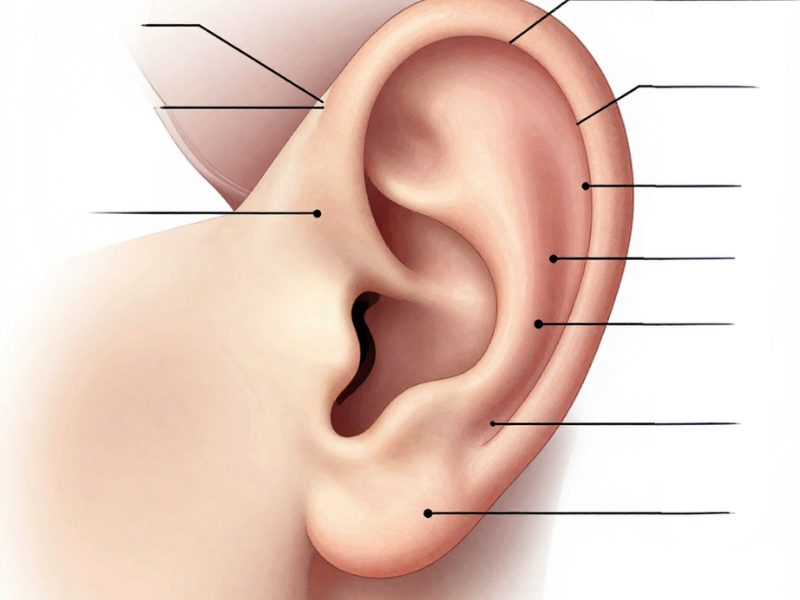

The Science Behind Hearing Health and Natural Support
Before exploring specific natural approaches, it’s essential to understand how your auditory system works and why it may need support over time. Your ears contain intricate structures including the cochlea, auditory nerve, and thousands of tiny hair cells that convert sound waves into electrical signals your brain interprets.
Research from the National Institute on Deafness and Other Communication Disorders highlights that auditory challenges can stem from various factors. These include oxidative stress, reduced blood flow to the inner ear, inflammation, and cellular changes that occur naturally with aging. Understanding these mechanisms helps explain why certain natural approaches show promise in supporting ear wellness.
The connection between hearing health and overall cognitive function has gained significant attention in recent years. Studies have established links between auditory decline and cognitive challenges, suggesting that supporting your ears may also benefit your mental clarity and focus. This relationship underscores the importance of taking a proactive approach to auditory wellness.
Natural support strategies work by addressing multiple pathways simultaneously. They may help improve circulation to the delicate structures of the inner ear, provide antioxidant protection against cellular damage, support healthy inflammatory responses, and supply essential nutrients that auditory cells need to function optimally.
Natural ways to support hearing health include consuming antioxidant-rich nutrients, maintaining proper blood flow to the ears, managing inflammation through plant-based compounds, and providing essential vitamins and minerals that support auditory cell function and overall ear wellness throughout life.
Why Consider Natural Approaches for Ear Wellness?
Many people seek natural alternatives because they prefer working with their body’s own healing mechanisms rather than relying solely on conventional interventions. Natural approaches typically come with fewer side effects and can be integrated into daily routines with ease.
Plant-based nutrients have been used for centuries in traditional wellness practices across cultures. Modern science now validates many of these historical uses, revealing the specific mechanisms by which certain botanicals support auditory health. This convergence of traditional wisdom and contemporary research provides a solid foundation for natural hearing support strategies.
If you’re interested in learning more about comprehensive approaches to ear wellness, consider exploring evidence-based resources that detail the latest scientific findings on auditory health and natural support strategies.
Key Natural Ingredients That Support Auditory Function
Research has identified several natural compounds that show particular promise for supporting ear health. Understanding these ingredients and their mechanisms can help you make informed choices about your auditory wellness strategy.
Antioxidant-Rich Botanicals
Grape seed extract stands out as a powerful source of proanthocyanidins, antioxidant compounds that protect delicate ear structures from oxidative damage. Research indicates that these antioxidants help maintain the health of blood vessels in the inner ear and protect against cellular stress that can compromise auditory function.
Green tea extract contains polyphenols and catechins that support healthy circulation. Improved blood flow to the cochlea and auditory nerve ensures these structures receive adequate oxygen and nutrients. Studies suggest that enhanced circulation may contribute to better auditory function and reduced ear discomfort.
Adaptogenic and Energy-Supporting Herbs
Maca root has been valued for centuries in traditional wellness practices. This adaptogenic plant helps support energy levels and may contribute to overall vitality. While research on maca’s specific effects on hearing continues, its role in supporting cellular energy production suggests potential benefits for the metabolically active cells within the auditory system.
Anti-Inflammatory Plant Compounds
Capsicum annuum contains capsaicin and related compounds that support healthy inflammatory responses throughout the body. Since inflammation can affect auditory structures and contribute to ear discomfort, managing inflammation naturally represents an important aspect of comprehensive ear wellness strategies.
Neurological Support Nutrients
Gamma-aminobutyric acid (GABA) functions as a neurotransmitter in the brain and auditory pathways. Research suggests GABA may help promote relaxation and reduce stress-related responses. Since stress and anxiety can exacerbate perceived ear discomfort, supporting healthy GABA levels may indirectly benefit auditory wellness.
Gymnema sylvestre, traditionally used in Ayurvedic practices, shows promise in supporting overall metabolic health. Emerging research explores its potential role in supporting nerve function and cellular health throughout the body, including auditory pathways.
Evidence-Based Benefits of Natural Hearing Support
The scientific literature reveals several key benefits associated with natural approaches to auditory wellness:
Lifestyle Strategies to Complement Natural Supplementation
Natural ingredients work best when combined with healthy lifestyle practices that support overall auditory wellness. These strategies create a comprehensive approach to maintaining ear health.
Protect Your Ears from Excessive Noise
Prolonged exposure to loud sounds can damage auditory hair cells and contribute to long-term hearing challenges. Use ear protection in noisy environments, keep personal audio device volumes at safe levels, and give your ears regular breaks from loud sounds. This preventive approach complements any natural support strategy.
Maintain Cardiovascular Health
The tiny blood vessels in your inner ear depend on healthy circulation. Regular physical activity, a balanced diet, and managing blood pressure all support the vascular system that nourishes your auditory structures. This connection between cardiovascular and auditory health cannot be overstated.
Manage Stress Effectively
Chronic stress can impact auditory function through multiple pathways, including increased muscle tension around the ears and altered blood flow patterns. Incorporate stress-reduction techniques like deep breathing, meditation, or gentle exercise into your daily routine to support both mental well-being and ear health.
Prioritize Quality Sleep
During sleep, your body performs essential repair and regeneration processes, including in the auditory system. Aim for seven to nine hours of quality sleep nightly to give your ears the rest and recovery time they need.
Stay Hydrated
Proper hydration maintains the fluid balance in your inner ear, which is crucial for optimal auditory function. Drink adequate water throughout the day to support the delicate fluid-filled structures involved in hearing.
The Role of Nutrition in Auditory Wellness
Beyond specific supplements, your overall dietary patterns significantly impact ear health. Certain nutrients deserve special attention for their role in supporting auditory function.
Essential Vitamins and Minerals
B vitamins, particularly B12 and folate, support nerve health throughout the body, including auditory pathways. Research published in scientific journals indicates that adequate B vitamin levels correlate with better auditory function in aging populations.
Magnesium helps protect against noise-induced cellular stress and supports healthy nerve function. Zinc plays a role in immune function and cellular repair, both important for maintaining ear health. Omega-3 fatty acids support anti-inflammatory responses and maintain cell membrane integrity in auditory structures.
Anti-Inflammatory Dietary Patterns
Following an anti-inflammatory diet rich in colorful vegetables, fruits, nuts, seeds, and omega-3-rich fish may support overall ear wellness. These foods provide antioxidants and beneficial fats that help maintain healthy inflammatory responses throughout the body, including in the ears.
Understanding Age-Related Auditory Changes
Age-related auditory decline affects millions of people worldwide. Understanding this natural process helps you take proactive steps to support your hearing as you age.
Research indicates that age-related changes in the auditory system involve multiple factors. These include cumulative oxidative damage over decades, changes in blood flow to the inner ear, loss of auditory hair cells, and alterations in nerve signal processing. The good news is that natural support strategies can address many of these underlying mechanisms.
A comprehensive approach that combines antioxidant protection, circulation support, and neuroprotective nutrients may help maintain auditory function as you age. Starting these strategies earlier rather than later offers the best opportunity for long-term ear health.
Common Misconceptions About Natural Hearing Support
Several myths persist about natural approaches to ear wellness. Clarifying these misconceptions helps set realistic expectations.
Myth: Natural approaches work overnight. Reality: Supporting auditory health naturally requires consistent use over weeks or months as your body adapts to beneficial nutrients and lifestyle changes.
Myth: One ingredient provides complete support. Reality: The most effective natural strategies combine multiple complementary ingredients that address different aspects of auditory function.
Myth: Natural means risk-free for everyone. Reality: While generally well-tolerated, natural supplements can interact with medications or may not be appropriate for certain health conditions. Always consult healthcare providers before starting new supplements.
When to Seek Professional Evaluation
Natural support strategies complement but don’t replace professional medical care. Seek evaluation from an audiologist or healthcare provider if you experience sudden changes in hearing, persistent ear discomfort, dizziness associated with ear symptoms, or progressive difficulty understanding conversations.
Professional assessment can identify underlying conditions that require specific medical intervention. Natural support strategies work best as part of a comprehensive approach that includes appropriate medical care when needed.
Integrating Natural Support into Your Daily Routine
Consistency is key to experiencing benefits from natural hearing support strategies. Here’s how to make these approaches part of your everyday life.
Morning Routine Integration
Many people find success incorporating natural support supplements into their morning routine. Taking supplements with breakfast ensures consistency and may enhance absorption. Some liquid formulas can be added directly to beverages like coffee or juice for convenience.
Create Supportive Habits
Pair your natural support strategy with other healthy habits. For example, take your supplements after your morning walk or yoga session. This habit stacking makes consistency easier and reinforces your commitment to auditory wellness.
Track Your Experience
Keep a simple journal noting any changes you observe over time. While dramatic overnight results are unrealistic, gradual improvements in ear comfort, mental clarity, or overall well-being may become apparent over weeks and months of consistent use.
The Importance of Quality and Purity
Not all natural supplements offer the same quality. When selecting products for hearing support, consider several important factors.
Look for supplements manufactured in facilities that follow good manufacturing practices. Third-party testing provides additional assurance of purity and potency. Transparency about ingredient sourcing and manufacturing processes indicates a reputable company.
Natural formulas should contain therapeutic amounts of key ingredients, not just trace quantities. Review supplement labels carefully to ensure you’re getting meaningful doses of beneficial compounds backed by research.
Bringing It All Together: Your Path to Better Auditory Wellness
Supporting your hearing health naturally represents a proactive, holistic approach to maintaining one of your most precious senses. The scientific evidence supporting natural strategies continues to grow, revealing the powerful potential of plant-based nutrients, antioxidants, and lifestyle modifications.
Remember that natural approaches work best as part of a comprehensive strategy that includes protecting your ears from excessive noise, maintaining cardiovascular health, managing stress, getting quality sleep, and following an anti-inflammatory diet. These elements work synergistically to support optimal auditory function throughout your life.
The journey to better ear wellness doesn’t require drastic changes or unrealistic commitments. Small, consistent steps compound over time into meaningful results. Whether you’re experiencing minor ear discomfort, concerned about age-related changes, or simply want to maintain the hearing clarity you currently enjoy, natural support strategies offer a scientifically grounded path forward.
Starting today gives you the best opportunity to support your auditory system before significant challenges develop. Your ears work hard every moment of every day, processing thousands of sounds and enabling your connection to the world. They deserve the same care and attention you give to other aspects of your health.
By understanding the science behind natural hearing support, selecting quality ingredients, and implementing supportive lifestyle practices, you take control of your auditory wellness journey. The research is clear: natural approaches can make a meaningful difference when used consistently and as part of a broader commitment to health and well-being.
Want to support your hearing health naturally? Discover science-backed nutritional approaches designed to promote healthy hearing and cognitive clarity.

Scientific References
| Reference Number | Study/Source | Key Findings |
|---|---|---|
| 1 | National Institute on Deafness and Other Communication Disorders (NIDCD) – « Rebooting the brain helps stop the ring of tinnitus in rats » | Research on neurological mechanisms underlying auditory challenges and potential interventions |
| 2 | « The link between hearing loss and Alzheimer’s disease » | Established connections between auditory decline and cognitive function |
| 3 | White, P. M., et al. (2006). Nature 441, 984-987 | Mammalian cochlear supporting cells can divide and trans-differentiate into hair cells |
| 4 | « Tinnitus Epidemiology: Prevalence, Severity, Exposures And Treatment Patterns In The United States » | Comprehensive data on auditory challenges affecting the US population |
| 5 | « What Herbs are Good for Hearing Loss? » | Review of botanical approaches to auditory health support |
| 6 | Kumar, G. P., & Khanum, F. – « Neuroprotective potential of phytochemicals » | Analysis of plant compounds that protect nerve cells |
| 7 | « Identification of medicinal plants of Urmia for treatment of gastrointestinal disorders » | Traditional botanical medicine applications |
| 8 | « The Benefits of California Poppy (Eschscholzia californica) » | Natural compounds supporting relaxation and stress management |
| 9 | Georgetown University Medical Center (Jan 2011) – « Tinnitus is the result of the brain trying, but failing, to repair itself » | Neurological mechanisms of auditory challenges |
| 10 | Agardh CD, et al. – « Free radical production and ischemic brain damage: influence of postischemic oxygen tension » | Role of oxidative stress in cellular damage |
| 11 | Kennedy, D. O. (Feb 2016) – « B Vitamins and the Brain: Mechanisms, Dose and Efficacy-A Review » | Comprehensive analysis of B vitamins’ neurological effects |
| 12 | Schlee, W., et al. (Nov 2009) – « Mapping cortical hubs in tinnitus » | Brain imaging studies revealing auditory processing patterns |
| 13 | Sedley, W., et al. (Apr 2015) – « Intracranial Mapping of a Cortical Tinnitus System using Residual Inhibition » | Advanced research on auditory system mapping |
Medical Disclaimer
The information provided in this article is for educational and informational purposes only and is not intended as medical advice. I am not a doctor, healthcare provider, or licensed medical professional. The content presented should not be used to diagnose, treat, cure, or prevent any disease or health condition.
Before starting any new supplement regimen, making changes to your diet, or implementing lifestyle modifications, please consult with a qualified healthcare provider, especially if you have existing health conditions, take medications, are pregnant, nursing, or have concerns about your hearing health. Individual results may vary, and what works for one person may not work for another.
If you experience sudden hearing loss, severe ear pain, dizziness, or other concerning symptoms, seek immediate medical attention from a qualified healthcare professional.




[6174]buy138 | Login Resmi Link Alternatif Situs Slot Gacor Hari Ini,buy138 menyediakan akses link alternatif terbaru untuk daftar game casino online terlengkap. Nikmati kemudahan cara deposit dana casino yang cepat. Gabung sekarang! visit: buy138
[7189]ph9999 Official Login | সেরা অনলাইন স্লট গেম এবং অ্যাপ ডাউনলোড,ph9999-এ যোগ দিন এবং সেরা অনলাইন স্লট গেমের অভিজ্ঞতা নিন। বিকাশ দিয়ে সহজে ডিপোজিট করুন এবং অ্যাপ ডাউনলোড করে আজই খেলা শুরু করুন। visit: ph9999
[8934]Melvet Official Login | সেরা অনলাইন ক্যাসিনো ও স্লট গেম,melvet-এ লগইন করে সেরা অনলাইন স্লট গেমের অভিজ্ঞতা নিন। বিকাশ দিয়ে সহজে ডিপোজিট করুন এবং অ্যাপ ডাউনলোড করে আজই খেলা শুরু করুন। visit: melvet
The security on this platform makes me feel much more comfortable with my deposits. Quick access and no lag at ciputra88login.
Solid gaming experience and the promotions are always fresh. If you are looking for a steady place to play then phxxphcom is it.
I’ve tried a few sites lately but this one really stands out. The interface is super smooth and the payouts are fast. Definitely worth a look for any serious player. Check out bjbaji888
Really impressed with the security and speed of bitpkrgame. Everything feels professional and the gaming experience is top notch. Definitely my new go-to site.
The game selection is top notch. I spend most of my free time exploring the slots on q98game.
Super impressed with the game variety here. Everything loads quickly and the customer support is actually helpful. Highly recommend vnop88 to anyone who loves online gaming.
I’ve been playing here for a while now and the payouts are surprisingly fast. Definitely one of the most reliable spots I have found recently. Check out ph26phjoin for a great experience.
I’ve been playing here for a few weeks now and the payout speed is honestly impressive. Highly recommend vn188c for anyone looking for a smooth experience.
I really appreciate the fair play and the transparency of this site. It is hard to find such honest platforms these days. Check out 9ajilicom.
Great bonuses for new members. I managed to get a nice start thanks to their welcome offer. Really a fair play site like bdak444
Been playing here for a week and the winning streaks are real. The atmosphere and the game mechanics are just spot on. Love ph33jili so much.
The login process is seamless and the security feels solid. I feel safe depositing here. Great job on the layout of lottuslogin.
The app version is a game changer. It is so much smoother than using a mobile browser and the layout is spot on. Give vnf168apk a try
Honestly one of the best interfaces I have used recently. Everything is easy to find and the loading speed is great. Highly suggest vnvm66 for a seamless experience.
Everything runs so smoothly on my phone without any lag or crashes. I love how the bonus terms are clearly explained upfront and the support team always goes the extra mile. Trust me when I say betkingmlite is worth your time
If you are looking for a place with great odds and a friendly vibe, this is it. I’ve tried a few others but br118bet feels much more honest and transparent.