Understanding the Root Cause of Persistent Bad Breath
Have you ever felt self-conscious during conversations, wondering if your breath is affecting how others perceive you? You’re not alone. Studies suggest that up to 50% of adults experience chronic bad breath, medically known as halitosis, at some point in their lives. Despite rigorous brushing and constant use of mints, many people find themselves trapped in an endless cycle of temporary fixes that never address the underlying problem.
The truth is, chronic bad breath isn’t just about what you ate for lunch. It’s a complex condition rooted in the delicate balance of bacteria living in your mouth. For years, the dental industry has promoted a simple narrative: bad bacteria cause bad breath, so kill all bacteria with strong mouthwashes and antibacterial toothpaste. However, emerging research is challenging this oversimplified approach and revealing a more nuanced truth about oral health.
In this comprehensive guide, you’ll discover evidence-based natural remedies for chronic bad breath that work with your body’s biology rather than against it. We’ll explore the fascinating science of your oral microbiome, examine why conventional dental products may actually worsen the problem, and provide you with actionable solutions backed by peer-reviewed research. You’ll learn about probiotic approaches, dietary modifications, herbal remedies, and lifestyle changes that address the root cause rather than masking symptoms.
Whether you’ve struggled with bad breath for months or years, this article will equip you with the knowledge to finally break free from this embarrassing condition and restore your confidence in social situations.

The Bacterial Imbalance Behind Halitosis
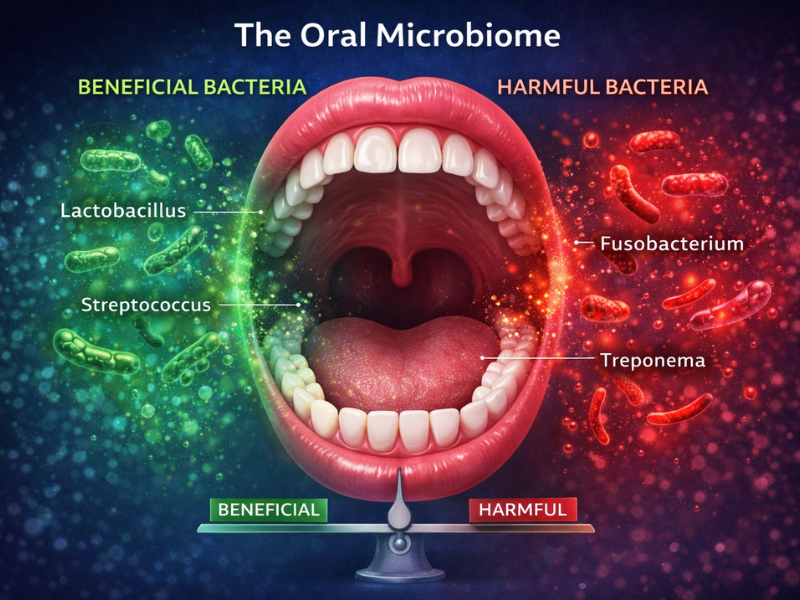
Most people don’t realize that their mouth hosts over 700 different species of bacteria. This complex ecosystem, known as the oral microbiome, plays a crucial role in maintaining dental health. When beneficial bacteria thrive, they create an environment that naturally prevents bad breath, tooth decay, and gum disease.
The problem arises when this delicate balance gets disrupted. Harmful bacteria that produce volatile sulfur compounds (VSCs) begin to dominate. These compounds are what create that unpleasant odor we recognize as bad breath. Research published in the Journal of Clinical Periodontology demonstrates that individuals with healthy teeth maintain a high population of beneficial bacteria in their mouths.
Common dental products containing harsh chemicals can inadvertently destroy both harmful and beneficial bacteria. This creates a vicious cycle where the mouth becomes increasingly vulnerable to the very bacteria that cause bad breath. Scientists have discovered that teeth can survive for hundreds of years in fossils, yet in our mouths, they deteriorate from simple foods like chocolate—a paradox that points to modern oral care practices as a potential culprit.
Natural remedies for chronic bad breath focus on restoring the oral microbiome balance by introducing beneficial bacteria, eliminating foods that feed harmful microbes, and using gentle antimicrobial herbs that selectively target odor-causing organisms while preserving helpful bacterial strains essential for long-term oral health.
Before we dive deeper into specific remedies, consider keeping a « breath journal » for one week. Note what you eat, when your breath feels worst, and any patterns you notice. This simple step will help you identify your unique triggers and make the natural solutions below more effective for your situation.
Probiotic Approaches to Eliminate Bad Breath
The concept of using « good bacteria » to fight bad breath might seem counterintuitive, but scientific evidence strongly supports this approach. Probiotics work by crowding out odor-causing bacteria and producing substances that inhibit their growth. This isn’t a temporary fix—it’s a fundamental restoration of your oral ecosystem.
Research on Lactobacillus paracasei shows significant oral health benefits, including support for healthy gums and maintenance of open sinuses. A study published in Frontiers in Dental Medicine examined probiotics in the management of gingivitis and periodontitis, finding that specific strains can effectively reduce inflammation and improve overall oral health.
Lactobacillus reuteri represents another powerful probiotic strain for oral health. According to research published in Frontiers in Microbiology, both live and heat-treated forms of this bacteria offer oral health benefits. The bacteria helps create a healthy mouth environment and naturally reduces inflammation that can contribute to bad breath.
Bifidobacterium lactis (B.lactis BL-04®) supports the balance of mouth bacteria while also benefiting the respiratory tract and immune system. A randomized clinical trial in the Journal of Clinical Periodontology demonstrated that Bifidobacterium probiotics effectively treat chronic periodontitis, a condition often associated with persistent bad breath.
Key Benefits of Oral Probiotics
Herbal and Plant-Based Solutions for Fresh Breath
Nature provides numerous herbs and plants with antimicrobial properties that target bad breath without disrupting beneficial bacteria. These remedies have been used for centuries across different cultures and are now gaining validation through modern scientific research.
Peppermint stands out as one of the most effective natural remedies. Research published in the Journal of Arak University of Medical Sciences confirms that peppermint essential oil has inhibitory and antibacterial effects on periodontal pathogens. It works as a natural anti-inflammatory while providing immediate breath-freshening benefits.
Inulin, a prebiotic fiber found in many plants, supports the growth of beneficial bacteria. According to research in the International Food Research Journal, inulin combined with probiotics offers significant applications in health and nutrition, creating an environment where good bacteria flourish.
Malic acid, naturally found in strawberries and other fruits, helps maintain tooth whiteness while supporting oral health. This organic compound gently removes surface stains and creates an acidic environment that certain harmful bacteria find inhospitable.
Green tea contains polyphenols that inhibit the growth of bacteria responsible for bad breath. Chewing fresh parsley, which contains chlorophyll, naturally neutralizes odors. Clove oil possesses powerful antimicrobial properties that have been used in dental care for generations.
Dietary Modifications That Transform Oral Health
What you eat profoundly impacts your oral microbiome and breath quality. Certain foods feed harmful bacteria, while others promote the growth of beneficial strains. Understanding these relationships empowers you to make choices that support fresh breath from the inside out.
Sugar and refined carbohydrates feed odor-causing bacteria. When these bacteria metabolize sugars, they produce acids and volatile compounds that contribute to bad breath and tooth decay. Reducing your intake of processed sugars represents one of the most powerful dietary changes you can make.
Crunchy vegetables like celery, carrots, and apples act as natural toothbrushes. They stimulate saliva production, which naturally rinses away food particles and bacteria. Saliva also contains antimicrobial compounds that protect your mouth.
Probiotic-rich foods deserve a permanent place in your diet. Yogurt, kefir, sauerkraut, and kimchi introduce beneficial bacteria that can colonize your mouth and gut. Research shows that regular consumption of fermented foods improves both oral and digestive health.
Adequate hydration is essential. A dry mouth allows bacteria to proliferate unchecked. Drinking water throughout the day washes away food particles and maintains the saliva flow necessary for natural oral defenses.
Foods to Emphasize:
Foods to Minimize:
The Role of Tongue Cleaning in Breath Management
Your tongue harbors the majority of bacteria responsible for bad breath. The rough surface provides countless crevices where bacteria, food particles, and dead cells accumulate. This bacterial coating produces most of the volatile sulfur compounds that cause halitosis.
Studies referenced by dental health researchers show that mechanical tongue cleaning significantly reduces bad breath. A tongue scraper removes the bacterial biofilm more effectively than brushing alone. The practice takes less than 30 seconds but delivers remarkable results.
Use a tongue scraper every morning before eating or drinking. Start at the back of your tongue and gently pull forward, rinsing the scraper between strokes. You’ll likely notice a white or yellowish coating—this is the bacterial film being removed.
Consistency matters more than intensity. Gentle daily scraping outperforms aggressive occasional cleaning. Over time, you’ll notice the coating becomes thinner as your oral microbiome reaches a healthier balance.
Oil Pulling: Ancient Remedy Meets Modern Science
Oil pulling, an Ayurvedic practice dating back thousands of years, involves swishing oil in your mouth for 10-20 minutes. This simple technique draws out toxins and bacteria while supporting overall oral health. Modern research is beginning to validate what traditional practitioners have known for centuries.
Coconut oil works particularly well due to its antimicrobial properties. The lauric acid in coconut oil effectively reduces harmful bacteria without disturbing beneficial strains. Sesame oil represents another traditional choice with documented benefits.
The practice is simple: take one tablespoon of oil, swish it gently through your teeth for 10-20 minutes, then spit it out (never swallow it, as it now contains bacteria and toxins). Rinse with warm water and brush normally. Practice oil pulling on an empty stomach, ideally first thing in the morning.
Research suggests oil pulling reduces plaque, gingivitis, and bad breath-causing bacteria. While more studies are needed, thousands of years of traditional use combined with emerging scientific evidence make this a low-risk, potentially high-reward practice.
Understanding the Connection Between Gut Health and Breath
The mouth-gut axis represents an emerging area of research that reveals surprising connections between digestive health and oral conditions. Bad breath sometimes originates not from the mouth but from the digestive system, particularly when harmful bacteria or conditions like SIBO (small intestinal bacterial overgrowth) are present.
Probiotic supplementation that targets both oral and gut health offers comprehensive benefits. When you improve your gut microbiome, you often see improvements in oral health and breath quality. This systemic approach addresses chronic bad breath that doesn’t respond to oral care alone.
Digestive issues like acid reflux can bring stomach acids and partially digested food back into the esophagus and mouth, creating persistent bad breath. Addressing the root cause, whether through dietary changes, probiotics, or lifestyle modifications, proves more effective than treating symptoms alone.
Fiber-rich foods support both gut and oral health. They feed beneficial bacteria throughout your digestive system and require thorough chewing, which stimulates saliva production. This creates a positive cycle of improved microbial balance from mouth to intestines.
Lifestyle Factors That Impact Breath Quality
Beyond diet and oral hygiene, several lifestyle factors significantly influence breath quality. Addressing these creates a foundation for lasting freshness and oral health.
Smoking and tobacco use destroy beneficial oral bacteria while promoting harmful strains. They also dry out the mouth and leave residue that bacteria feed on. Quitting tobacco represents one of the most impactful changes for both breath quality and overall health.
Stress affects oral health through multiple pathways. It reduces saliva production, promotes teeth grinding, and can alter the oral microbiome. Stress management techniques like meditation, exercise, and adequate sleep indirectly support fresh breath.
Mouth breathing, especially during sleep, dries out oral tissues and allows bacteria to proliferate. If you wake with particularly bad breath, consider whether you breathe through your mouth at night. Addressing nasal congestion or sleep position may help.
Regular dental check-ups remain important even when using natural remedies. Dentists can identify underlying issues like cavities, gum disease, or infections that require professional treatment. Natural approaches work best as part of a comprehensive oral health strategy.
Hydration and Saliva Production Strategies
Saliva serves as your mouth’s natural defense system. It washes away food particles, neutralizes acids, and contains antimicrobial compounds that control bacterial populations. When saliva production decreases, bad breath often follows.
Chronic dehydration affects millions of people who don’t realize they’re not drinking enough water. Your mouth needs consistent moisture to function optimally. Aim for at least eight glasses of water daily, more if you’re active or in dry climates.
Certain medications reduce saliva production as a side effect. If you take medications for allergies, depression, blood pressure, or other conditions, discuss dry mouth with your healthcare provider. They may adjust dosages or suggest alternatives.
Chewing sugar-free gum stimulates saliva flow. Look for gum sweetened with xylitol, a natural sugar alcohol that also inhibits bacterial growth. This provides dual benefits: increased saliva and reduced harmful bacteria.
Saliva-Boosting Strategies:
When to Seek Professional Evaluation
While natural remedies effectively address most cases of chronic bad breath, certain situations require professional evaluation. Persistent bad breath despite implementing natural solutions may indicate underlying health conditions.
Conditions like diabetes, liver disease, kidney problems, and respiratory infections can manifest as bad breath. If you’ve tried natural remedies consistently for 4-6 weeks without improvement, consult a healthcare provider to rule out systemic issues.
Dental problems including cavities, gum disease, impacted wisdom teeth, or oral infections need professional treatment. Natural remedies support oral health but cannot replace necessary dental procedures for existing conditions.
Tonsil stones (tonsilloliths) trap bacteria and create persistent bad breath. While some natural remedies help prevent them, removal sometimes requires professional intervention. An ear, nose, and throat specialist can evaluate whether this might be your issue.
Bringing It All Together: Your Natural Bad Breath Solution Plan
Chronic bad breath doesn’t have to be a life sentence of embarrassment and social anxiety. By understanding the science of your oral microbiome and implementing evidence-based natural remedies, you can address the root cause rather than merely masking symptoms.
The most effective approach combines multiple strategies: introducing beneficial bacteria through probiotics, supporting them with prebiotic-rich foods, eliminating factors that feed harmful bacteria, and maintaining practices that promote saliva production and mechanical cleaning. This comprehensive strategy works with your body’s natural systems rather than against them.
Research clearly demonstrates that the conventional approach of killing all bacteria with harsh chemicals often backfires by destroying the very beneficial bacteria your mouth needs for long-term health. The natural remedies outlined in this article offer a sustainable, science-backed alternative that addresses chronic bad breath at its source.
Remember that sustainable change takes time. Your oral microbiome didn’t become imbalanced overnight, and it won’t restore itself immediately. Give natural remedies at least 4-6 weeks of consistent application before evaluating results. Many people notice improvements within days, but full restoration of a healthy oral ecosystem requires patience and persistence.
Start with the strategies that resonate most with you. Perhaps you’ll begin with tongue scraping and oil pulling, then gradually add probiotics and dietary modifications. Listen to your body, track your progress, and adjust your approach based on what works best for your unique situation. The journey to fresh, confident breath begins with a single step, take that step today.
Ready to finally eliminate chronic bad breath for good? Discover a revolutionary approach to oral health that works with your body’s natural systems. This doctor-formulated blend combines 3.5 billion probiotic strains specifically selected to support the health of your teeth and gums, targeting the root cause of bad breath rather than just masking symptoms.

Scientific References
| Study Title/Topic | Authors/Journal | Year | Key Finding |
|---|---|---|---|
| Bacteria in your mouth can affect your brain | Booth S., Healthline | 2019 | Established connection between oral bacteria and systemic health |
| The oral microbiome & its impact on every other system in the body | Burhenne M., Ask the Dentist | 2020 | Documented the importance of oral microbiome for overall health |
| How to avoid toxins in your toothpaste: 12 ingredients to ditch now | Burhenne M., Experience Life | 2022 | Identified harmful ingredients in common dental products |
| Probiotics in the management of gingivitis and periodontitis | Schlagenhauf U, Jockel-Schneider Y., Frontiers in Dental Medicine | 2021 | Demonstrated efficacy of probiotics for gum health |
| Probiotic Lactobacillus paracasei shows oral health benefits | Daniells S., Nutraingredients.com | 2014 | Confirmed benefits of specific probiotic strain for oral health |
| Live or dead reuteri bacteria may offer oral health benefits | Daniells S., Nutraingredients-latam.com | 2019 | Showed L. reuteri effectiveness in oral health applications |
| Effects of Bifidobacterium probiotic on the treatment of chronic periodontitis | Invernici MM, Salvador SL, Silva PH, et al., Journal of Clinical Periodontology | 2018 | Randomized clinical trial showing probiotic efficacy for periodontitis |
| Applications of inulin and probiotics in health and nutrition | Miremadi F, Shah NP, International Food Research Journal | 2012 | Documented synbiotic benefits of combining prebiotics and probiotics |
| Role of Lactobacillus reuteri in human health and diseases | Mu Q, Tavella VJ, Luo XM, Frontiers in Microbiology | 2018 | Comprehensive review of L. reuteri health benefits |
| The inhibitory and antibacterial effects of peppermint essential oil on periodontal photogenes | Rezaie E, Bayani M, Arjomandzadegan M, Journal of Arak University of Medical Sciences | 2020 | Confirmed antimicrobial properties of peppermint for oral health |
| How probiotics prevent tooth decay: The case of Lactobacillus paracasei | Scepanovic T., Medium | 2020 | Explained mechanisms of probiotic action against tooth decay |
| Oral microbiome findings challenge dentistry dogma | Campbell K., Nature | 2021 | Presented new research challenging conventional dental care approaches |
Medical Disclaimer
Important Notice: The information provided in this article is for educational and informational purposes only and is not intended as medical advice. I am not a doctor, dentist, or licensed healthcare professional. The content presented here should not be used as a substitute for professional medical advice, diagnosis, or treatment.
Always seek the advice of your physician, dentist, or other qualified healthcare provider with any questions you may have regarding a medical condition or treatment. Never disregard professional medical advice or delay seeking it because of something you have read in this article. If you have persistent bad breath or other oral health concerns, please consult with a qualified dental or medical professional for proper evaluation and treatment.
The natural remedies discussed in this article are based on available research and traditional practices, but individual results may vary. Some people may experience allergies or sensitivities to natural ingredients. Before implementing any new health regimen, particularly if you have existing health conditions or take medications, consult with your healthcare provider.