
Why So Many People Are Looking for a Drug-Free Approach to High Blood Pressure
High blood pressure — or hypertension — affects roughly 1.3 billion people worldwide, according to the World Health Organization. In the United States alone, nearly half of all adults live with elevated blood pressure readings, yet surveys consistently show that a large proportion of them either cannot tolerate their prescribed medications, worry about long-term side effects, or simply prefer to manage their health through diet and lifestyle first. If you are in that group, you are asking exactly the right question.
Over the past two decades, researchers have published dozens of randomized controlled trials and meta-analyses examining the effect of specific herbal teas and botanical beverages on systolic and diastolic blood pressure. The results are — in some cases — genuinely impressive. Certain plant-based drinks have demonstrated blood pressure reductions comparable in magnitude to low-dose pharmaceutical antihypertensives, without the dizziness, fatigue, or kidney-related side effects that many patients experience on prescription drugs.
This article gives you a clinically honest, research-backed guide to the most evidence-supported herbal teas and botanical blends for managing high blood pressure without medication. You will discover how hibiscus tea compares to prescription captopril in clinical trials, why beetroot-based drinks reduce systolic pressure through a completely different mechanism than most drugs, how hawthorn has been studied in hypertensive adults taking existing medication, and what dandelion’s potassium content contributes to vascular health.
Every claim in this article is supported by a peer-reviewed study. You will find the full scientific reference table at the end of this piece. Whether you want to complement a healthy lifestyle, explore alternatives before starting medication, or simply understand what the evidence says, this guide provides the clear, grounded information you need.

Before exploring each botanical individually, it helps to understand the physiological bottlenecks that herbal teas can address. High blood pressure typically results from one or more of three core problems: excessive vascular resistance (arteries that fail to relax properly), fluid overload (too much sodium and water in the bloodstream), or endothelial dysfunction (the lining of blood vessels failing to produce adequate nitric oxide). Different herbal beverages target different mechanisms — which is precisely why combining several complementary botanicals often outperforms any single herb used alone.
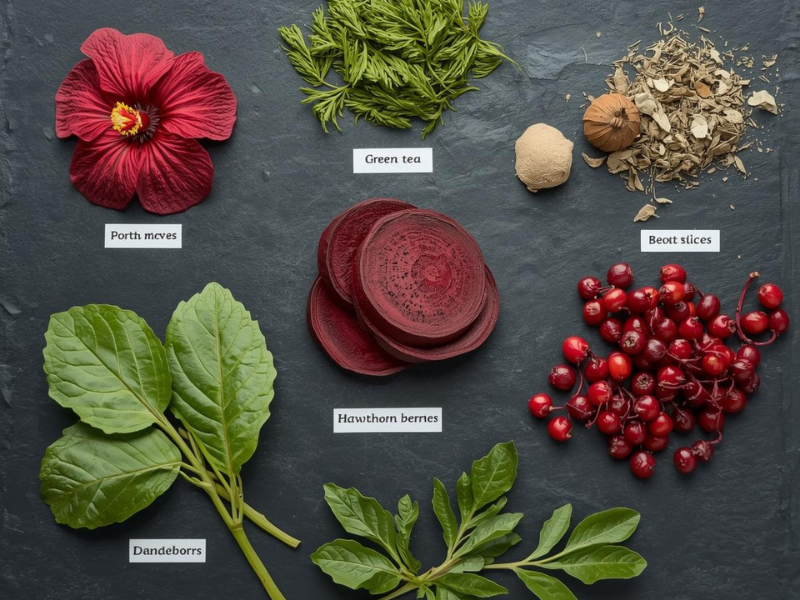
Natural herbal teas for blood pressure without medication include hibiscus (Hibiscus sabdariffa), green tea (Camellia sinensis), beetroot-based drinks (Beta vulgaris), hawthorn berry tea (Crataegus spp.), and dandelion leaf infusions (Taraxacum officinale). Clinical trials demonstrate that these botanicals reduce systolic and diastolic blood pressure through mechanisms including nitric oxide enhancement, diuresis, vascular relaxation, and antioxidant activity.
Want an easy way to make herbal teas part of your routine? Explore this ready-to-use blend.
The Five Best Evidence-Based Herbal Teas for Lowering Blood Pressure
Not all herbal drinks carry the same weight of scientific evidence. The five botanicals below stand apart from the crowded field of folk remedies because they have been evaluated in multiple randomized controlled trials (RCTs), systematic reviews, or meta-analyses — the highest tiers of clinical evidence. For each herb, the research identifies a plausible biological mechanism, a dose range associated with measurable blood pressure reductions, and a safety profile that makes daily use realistic for most healthy adults.
The reductions these teas produce — typically in the range of 2 to 10 mmHg for systolic pressure — may sound modest on paper, but they are clinically meaningful. Epidemiological modelling from the American Heart Association estimates that a sustained 5 mmHg reduction in systolic blood pressure reduces the risk of cardiovascular mortality by approximately 7 to 10%. These are not miracle numbers, but for someone in the prehypertensive or stage 1 hypertension range, a consistent dietary and botanical strategy can represent the difference between needing medication and not.
Each profile below includes the primary clinical study evidence, the likely mechanism, and what realistic results look like based on trial data. No speculative claims appear here — only what the research actually shows, with honest caveats where the evidence is preliminary or limited.
1. Hibiscus Tea: The Most Clinically Validated Herbal Drink for High Blood Pressure
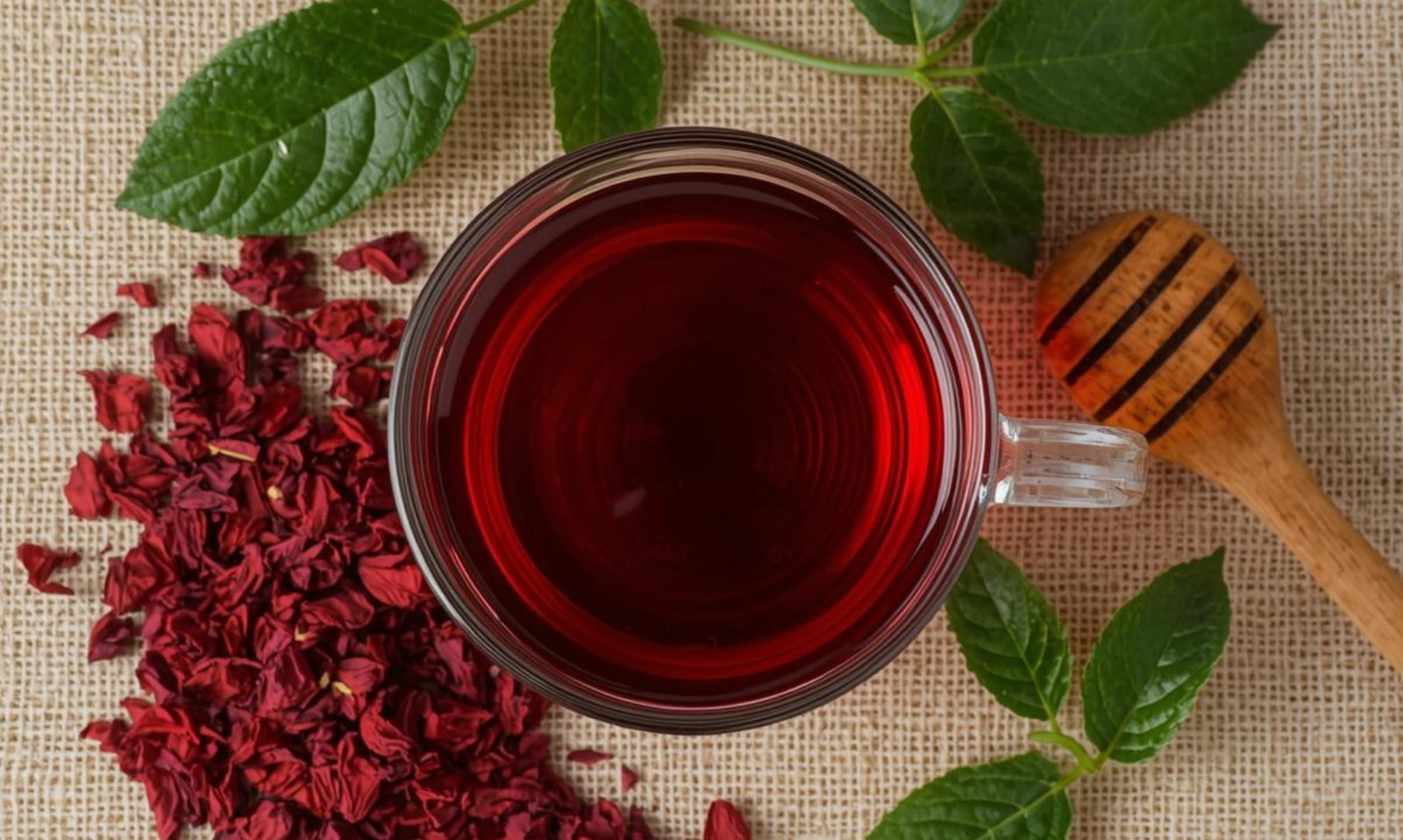
Hibiscus tea — brewed from the dried calyces of Hibiscus sabdariffa — is the single most studied herbal beverage for hypertension management. A landmark double-blind, randomized controlled trial conducted at Tufts University (McKay et al., 2010) enrolled 65 pre- and mildly hypertensive adults aged 30 to 70 who were not taking any blood pressure medications. After six weeks of drinking three cups of hibiscus tea daily, participants experienced a systolic blood pressure reduction of 7.2 mmHg — compared to only 1.3 mmHg in the placebo group (p = 0.030). Participants who had the highest baseline blood pressure responded most strongly to the intervention.
A 2022 systematic review and meta-analysis published in a major peer-reviewed cardiology journal analyzed 26 randomized controlled trials involving 1,797 participants and found that hibiscus supplementation dose-dependently reduced both systolic and diastolic blood pressure compared to placebo. Crucially, the reductions in blood pressure were not statistically different from those produced by commonly prescribed antihypertensive drugs in patients with stage 1 hypertension. One comparison found that drinking 10 grams of hibiscus tea produced similar blood pressure reductions to a dose of captopril — a widely used ACE inhibitor — in a six-month study.
The mechanism behind hibiscus’s antihypertensive effect involves multiple pathways. Hibiscus anthocyanins inhibit angiotensin-converting enzyme (ACE) — the same target as many prescription blood pressure drugs — and also possess direct diuretic activity. The plant’s polyphenol content reduces oxidative stress and vascular inflammation, both of which contribute to arterial stiffness and elevated blood pressure.
2. Green Tea: A Daily Antioxidant Habit With Measurable Blood Pressure Benefits
Green tea, derived from the leaves of Camellia sinensis, contains a class of potent antioxidants called catechins — most importantly, epigallocatechin gallate (EGCG). A 2020 meta-analysis published in Medicine journal analyzed 24 randomized controlled trials involving 1,697 subjects and found that green tea supplementation significantly lowered systolic blood pressure by 1.17 mmHg (95% CI: −2.18 to −0.16, p=0.02) and diastolic blood pressure by 1.24 mmHg (95% CI: −2.07 to −0.40, p=0.004) compared to control groups.
A separate earlier meta-analysis covering 13 RCTs with 1,367 participants produced comparable findings: green tea reduced SBP by 1.98 mmHg (p<0.001) and DBP by 1.92 mmHg (p=0.002). Subgroup analyses consistently found that effects were strongest in participants who had elevated systolic blood pressure at baseline (≥130 mmHg) — the population where blood pressure management matters most. Green tea also demonstrates significant reductions in total cholesterol and LDL cholesterol across the same body of research, making it a particularly valuable beverage for overall cardiovascular risk reduction.
EGCG improves blood pressure through endothelium-dependent vasodilation: it stimulates nitric oxide production in the vascular lining, reduces oxidative stress that degrades NO, and inhibits endothelin-1, a potent vasoconstrictor. A 2021 umbrella meta-meta-analysis combining data from 13 prior meta-analyses confirmed significant effects of green tea on both blood pressure and waist circumference — a notable finding given the close relationship between abdominal fat and hypertension.
3. Beetroot-Based Drinks: A Powerful Nitric Oxide Strategy for Vascular Health
Beetroot (Beta vulgaris) is exceptionally rich in dietary nitrates, which the body converts to nitric oxide via a pathway entirely independent of the enzymatic process that relies on L-Arginine. This makes beetroot a uniquely valuable addition to a blood pressure management strategy, because it delivers nitric oxide benefits even in older adults whose vascular endothelium has lost efficiency in producing nitric oxide through the conventional pathway.
A 2017 systematic review and meta-analysis by Bahadoran and colleagues analyzed 22 randomized controlled trials and found that beetroot juice supplementation reduced systolic blood pressure by 3.55 mmHg (95% CI: −4.55, −2.54) and diastolic blood pressure by 1.32 mmHg (95% CI: −1.97, −0.68) compared to control groups. The effect was more pronounced with longer supplementation periods (≥14 days produced −5.11 mmHg systolic) and with higher doses. A 2022 systematic review focusing specifically on hypertensive patients confirmed that beetroot nitrate reduces SBP by 3.55 mmHg and DBP by 1.32 mmHg in people who already have high blood pressure — not only in healthy subjects.
A 2024 meta-analysis published in Nutrition, Metabolism and Cardiovascular Diseases — covering all trials up to April 2024 — concluded that daily ingestion of 200 to 800 mg of nitrate from beetroot juice may reduce clinical systolic blood pressure in hypertensive individuals without developing tolerance over time. This ‘no tolerance’ finding is an important practical advantage over some pharmaceutical nitrate preparations.
4. Hawthorn Berry Tea: A Traditional Heart Tonic With Growing Clinical Evidence
Hawthorn (Crataegus spp.) has been used in folk medicine for cardiovascular complaints since at least the first century BCE. Its primary active compounds are oligomeric proanthocyanidins (OPCs) and flavonoids including hyperoside and quercetin. A 2025 systematic review and meta-analysis published in PMC, covering six placebo-controlled randomized trials with 428 participants over 10 weeks to six months, concluded that hawthorn significantly reduces both systolic and diastolic blood pressure in hypertensive adults. The authors concluded the evidence supports its traditional antihypertensive use in clinical practice.
An important RCT published in the British Journal of General Practice enrolled 79 adults with type 2 diabetes — 71% of whom were already taking antihypertensive medications — and randomized them to 1,200 mg hawthorn extract or placebo for 16 weeks. The hawthorn group showed a significantly greater reduction in diastolic blood pressure versus placebo (p=0.035), and critically, no herb-drug interactions were identified with any of the co-prescribed antihypertensive or hypoglycaemic medications. This finding makes hawthorn particularly relevant for adults who are already on medication and want to explore complementary support.
Hawthorn also helps the heart more directly than most blood pressure herbs: clinical studies in heart failure patients demonstrate improved exercise tolerance, reduced symptoms of breathlessness, and improved cardiac output. For someone managing hypertension alongside general cardiovascular risk factors, hawthorn’s multifaceted cardioprotective profile sets it apart from purely vasodilatory herbs.
5. Dandelion Leaf Tea: The Natural Diuretic That Helps Flush Out Excess Pressure
Dandelion (Taraxacum officinale) occupies a different niche from the vasodilatory herbs above. Its primary mechanism for blood pressure support is diuretic activity — it promotes the excretion of excess sodium and water, directly reducing the fluid volume that elevates blood pressure. A human pilot study by Clare and colleagues (2009) found a statistically significant increase in urinary frequency and excretion ratio in subjects who consumed dandelion leaf extract (p < 0.05 after the first dose, p < 0.001 for excretion ratio). This confirmed in humans what animal studies had long suggested: that dandelion leaf extract has diuretic activity comparable, gram for gram, to pharmaceutical furosemide (Lasix) in rodent models.
The advantage dandelion holds over pharmaceutical diuretics is significant: it is exceptionally rich in potassium. Dandelion leaves contain approximately 397 mg of potassium per 100 grams of fresh leaf — providing potassium while simultaneously promoting its excretion through urine. Most standard diuretic drugs (such as thiazides and loop diuretics) cause potassium loss, requiring supplementation or dietary correction. Dandelion’s natural potassium content partially compensates for this, making it a uniquely self-balancing diuretic botanical. Increased potassium intake of approximately 3,500 mg per day has been independently linked to lower blood pressure through its effect on sodium-potassium balance across arterial cells.
Additionally, dandelion’s polyphenol content — including chicoric acid and flavonoids — provides antioxidant and anti-inflammatory benefits that may contribute to vascular health independently of its diuretic effect. A 2022 review in the International Journal of Molecular Sciences identified multiple mechanisms by which dandelion compounds modulate haemostatic processes relevant to cardiovascular protection, including inhibition of reactive oxygen species and platelet activation pathways.
Why Combining These Herbal Teas May Produce Better Results Than Using Any Single One
The research on herbal synergies for blood pressure management is an emerging but promising field. Each botanical above addresses a distinct physiological bottleneck: hibiscus acts as a natural ACE inhibitor and reduces oxidative stress; green tea enhances endothelial nitric oxide via EGCG; beetroot delivers dietary nitrate for independent NO production; hawthorn provides flavonoid-mediated vasodilation and cardioprotection; dandelion reduces fluid overload while replenishing potassium. A blend that incorporates all five addresses hypertension from multiple angles simultaneously — mimicking the multi-drug treatment approach that cardiologists increasingly recommend even for stage 1 hypertension, but using whole-plant compounds instead.
This multi-target approach also means that individuals who respond modestly to one herb may experience a stronger cumulative response across several. For example, the hawthorn and beetroot combination has been studied directly: researchers found that hawthorn’s nitrite reductase activity combined with beetroot’s nitrate content produced rapid, sustained nitric oxide release in vitro — a synergy that neither ingredient demonstrated alone. When building a daily herbal protocol, choosing a well-formulated blend that includes standardized extracts of each herb at clinically relevant concentrations will outperform low-dose individual teas consumed haphazardly.
It is also worth noting the lifestyle context. These teas work best when combined with the DASH dietary pattern (rich in fruits, vegetables, potassium, and low in sodium), regular aerobic exercise, stress management, and maintained sleep quality. None of the herbal teas on this list replace those foundations — but they can provide a meaningful and scientifically grounded addition to your daily routine.
Important Safety Considerations: Who Should Use Caution With Herbal Blood Pressure Teas
The herbal teas described in this article are generally well tolerated by healthy adults when consumed in amounts consistent with those used in clinical trials. However, several important precautions apply. If you currently take prescription blood pressure medications, blood thinners, diuretics, or diabetes medications, consult your physician before adding any herbal supplement to your routine. Some botanicals — particularly dandelion and hawthorn — may potentiate the effects of existing medications, potentially causing blood pressure or blood sugar to drop too low.
Hibiscus tea may interact with hydrochlorothiazide (a common diuretic) and has shown some evidence of estrogen-like effects, so people with hormone-sensitive conditions should seek medical advice first. Green tea contains caffeine (typically 25–50 mg per cup), which may itself raise blood pressure acutely in caffeine-sensitive individuals, though standardized EGCG extracts avoid this issue. Pregnant and breastfeeding women should not use any herbal supplement without professional guidance.
The appropriate role of herbal teas in blood pressure management depends on where you sit on the hypertension spectrum. For prehypertension (120–129/< 80 mmHg) and stage 1 hypertension (130–139/80–89 mmHg), the clinical evidence suggests that consistent botanical support combined with lifestyle change can produce clinically meaningful reductions without medication. For stage 2 hypertension (≥140/≥90 mmHg) or any hypertensive urgency, pharmaceutical treatment remains the standard of care, and herbal teas function best as a supportive complement — not a replacement.
Conclusion: A Science-Backed Daily Habit That Can Make a Real Difference
The evidence is clear: natural herbal teas for blood pressure without medication are not wishful thinking. They are supported by randomized controlled trials, systematic reviews, and meta-analyses published in leading peer-reviewed journals. Hibiscus tea has produced reductions in systolic blood pressure comparable to prescription captopril in clinical comparisons. Green tea catechins measurably improve endothelial function and reduce both systolic and diastolic pressure across multiple populations. Beetroot-based drinks deliver dietary nitrates that reduce blood pressure through a mechanism entirely independent of — and therefore complementary to — other herbal compounds. Hawthorn berry has demonstrated significant antihypertensive effects in a 2025 meta-analysis and has been shown safe alongside existing cardiovascular medication. Dandelion leaf provides a potassium-replenishing diuretic effect confirmed in human trials.
None of these herbs works overnight, and none of them is appropriate as a sole intervention for moderate-to-severe hypertension. The clinical trials producing the strongest results typically involved consistent daily consumption for 4 to 12 weeks. The reductions observed — typically 2 to 8 mmHg systolic — are meaningful in the context of overall cardiovascular risk, where even a 5 mmHg sustained reduction corresponds to a significant reduction in long-term heart attack and stroke risk.
The practical takeaway is this: if you have prehypertension or stage 1 hypertension, incorporating evidence-based herbal teas into your daily lifestyle alongside dietary improvements and regular exercise represents a sound, scientifically grounded strategy. If you already take blood pressure medication, these botanicals may provide complementary support — but always discuss any new supplement with your prescribing physician first.
The best approach is consistency: a daily herbal tea ritual, built around botanicals with real clinical evidence, combined with the dietary foundations that clinical science has consistently validated as blood pressure-lowering. Start with what the evidence supports, be patient, and monitor your results with regular blood pressure checks.
Prefer a convenient way to enjoy these herbs every day? Take a look at this thoughtfully prepared blend.
Summary of Scientific References
| # | Authors / Year | Study / Focus | Journal & PMID | Key Finding |
|---|---|---|---|---|
| 1 | Onyenekwe et al. (2016) — Meta-analysis (26 RCTs, n=1,797) | Hibiscus sabdariffa dose-response effect on BP | ScienceDirect (2025) Phytomedicine Journal | Dose-dependently reduced systolic & diastolic BP vs placebo; moderate credibility for >10 mmHg reduction in adults over 50 |
| 2 | Herranz-López et al. (Meta-analysis, 2022, PMC9086798) | Hibiscus sabdariffa on blood pressure & cardiometabolic risk (systematic review of RCTs) | PMC 9086798 / Journal of Clinical Hypertension | Hibiscus reduced SBP by −7.10 mmHg vs placebo (p=.02); effects comparable to pharmaceutical antihypertensives in stage 1 hypertension |
| 3 | McKay et al. (2010, PMID: 20018807) | Hibiscus tea in pre- and mildly hypertensive adults (RCT, n=65, 6 weeks) | Journal of Nutrition (Tufts University USDA) | Daily hibiscus tea lowered SBP by −7.2 mmHg vs −1.3 mmHg in placebo (p=0.030); effect greatest in those with highest baseline BP |
| 4 | Shafi et al. (2019, PMID: 31334091) | Hibiscus sabdariffa in stage 1 hypertension (RCT) | PMC 6621350 / Advanced Biomedical Research | Mean SBP and DBP reduction significantly higher in hibiscus group vs control (p=0.004 and p<0.001); concluded effective for stage 1 hypertension |
| 5 | Xu et al. (2020, PMC7015560) | Green tea supplementation on blood pressure (meta-analysis, 24 RCTs, n=1,697) | Medicine Journal / PMC7015560 | Green tea significantly lowered SBP (−1.17 mmHg, p=.02) and DBP (−1.24 mmHg, p=.004) vs control |
| 6 | Liu et al. (2014, DOI: 10.1038/srep06251) | Green tea & blood pressure meta-analysis (13 RCTs, n=1,367) | Scientific Reports (Nature) | Green tea reduced SBP by −1.98 mmHg (p<0.001) and DBP by −1.92 mmHg (p=0.002) vs control group |
| 7 | Bahadoran et al. (2017, PMID: 29141968) | Beetroot juice nitrate-independent BP lowering (meta-analysis, 22 RCTs) | Advances in Nutrition / PubMed 29141968 | Beetroot juice reduced SBP by −3.55 mmHg and DBP by −1.32 mmHg; effect larger with longer duration (≥14 days: −5.11 mmHg) |
| 8 | Benjamim et al. (2022, PMID: 35369064) | Beetroot juice nitrate & BP in hypertensive patients (systematic review & meta-analysis) | Frontiers in Nutrition / PMID 35369064 | Beetroot nitrate reduced SBP by −3.55 mmHg and DBP −1.32 mmHg in hypertensive patients; supports its use as a BP-lowering strategy |
| 9 | Grönroos et al. (2024, PMID: 39069465) | Beetroot juice in hypertension per ESH guidelines (systematic review & meta-analysis) | Nutrition, Metabolism & Cardiovascular Diseases | Daily 200–800 mg nitrate from beetroot juice may reduce systolic BP in hypertensive individuals; no tolerance development observed |
| 10 | Hadi et al. (2025, PMC12298042 — Meta-analysis, 6 RCTs, n=428) | Hawthorn (Crataegus spp.) on blood pressure | PMC 12298042 | Hawthorn significantly reduced SBP and DBP over 10 weeks–6 months; findings support its traditional antihypertensive use |
| 11 | Walker et al. (2002, PMID: 11807965) | Hawthorn extract in mild hypertension (RCT, n=36, 10 weeks) | Phytotherapy Research / PubMed 11807965 | Promising diastolic BP reduction (p=0.081) at week 10; hawthorn extract 500 mg/day; suggests hypotensive potential |
| 12 | Susalit et al. (2011, PMID: 1839018) | Hawthorn for hypertension in type 2 diabetes (RCT, n=79, 16 weeks) | British Journal of General Practice / PMC1839018 | Significant diastolic BP reduction in hawthorn group vs placebo (p=0.035); no herb–drug interaction found with antihypertensive drugs |
| 13 | Clare et al. (2009, PMID: 19678785) | Dandelion leaf extract diuretic effect in humans (pilot RCT, n=17) | Journal of Alternative & Complementary Medicine / PMID 19678785 | Significant increase in urination frequency (p<0.05) after first dose; dandelion leaf confirmed as effective diuretic in human subjects |
| 14 | Wirngo et al. (2022, PMC9002813) | Dandelion cardiovascular and hemostatic properties (review) | International Journal of Molecular Sciences / PMC 9002813 | Dandelion leaves contain 397 mg potassium/100g; high potassium intake linked to lower blood pressure; antiplatelet & antioxidant properties documented |
Medical Disclaimer
Important Notice: The author of this article is not a medical doctor, physician, registered dietitian, or licensed healthcare professional. The information presented on this page is for informational and educational purposes only and does not constitute medical advice, diagnosis, or treatment. It should not replace consultation with a qualified healthcare provider. Before making any changes to your blood pressure management strategy — including adding herbal teas, reducing medications, or combining natural supplements with existing prescriptions — always consult your physician or a licensed health professional. Individual results from herbal supplementation vary significantly. The clinical studies cited in this article were conducted under controlled conditions on specific populations and do not guarantee identical outcomes for all readers. Herbal supplements have not been evaluated by the Food and Drug Administration (FDA) or equivalent regulatory agencies for the purpose of diagnosing, treating, curing, or preventing any disease. If you are pregnant, breastfeeding, taking prescription medications, or have any diagnosed medical condition, seek professional medical advice before using any supplement or herbal product. This article contains affiliate links; the author may receive compensation if you purchase through these links, at no additional cost to you.


[7134]rbaze Official Login | সেরা অনলাইন Casino ও দ্রুত বিকাশ পেমেন্ট,rbaze অ্যাপ ডাউনলোড করে সেরা অনলাইন casino গেমগুলো উপভোগ করুন। এখানে পাবেন দ্রুত বিকাশ পেমেন্ট এবং সহজ slots গেম খেলার নিয়ম। আজই জয়েন করুন। visit: rbaze
[1969]jitabat অফিসিয়াল লগইন | বিকাশ পেমেন্ট ও সেরা ক্যাসিনো বোনাস,jitabat অ্যাপ ডাউনলোড করে উপভোগ করুন সেরা স্লট গেমের অভিজ্ঞতা। বিকাশ দিয়ে সহজ পেমেন্ট এবং আকর্ষণীয় অনলাইন ক্যাসিনো বোনাস পেতে আজই যোগ দিন। visit: jitabat
[1849]nagad777 Official Login | অনলাইন ক্যাসিনো বোনাস ও দ্রুত উইথড্র,nagad777 অ্যাপ ডাউনলোড করে সেরা স্লট গেমের নিয়ম জানুন এবং দ্রুত টাকা উইথড্রর সুবিধা নিন। আজই যোগ দিয়ে আপনার যাত্রা শুরু করুন। visit: nagad777
Finally found a platform that does not lag during peak hours. The login process is seamless and I got my bonus right away. Great vibes all around at ck777betlogin
[9950]jackcasino অফিসিয়াল লগইন | বিকাশ ডিপোজিট ও সেরা স্লট গেম,jackcasino অ্যাপ ডাউনলোড করে সেরা অনলাইন স্লট গেমগুলো খেলুন। বিকাশ দিয়ে সহজ ডিপোজিট এবং আকর্ষণীয় বোনাস পাওয়ার নিয়ম জানতে আজই জয়েন করুন। visit: jackcasino
Best Jili games I’ve played in a while. The graphics are crisp and the wins feel rewarding. Big shoutout to 178jilicasino for the top tier service.
If you are looking for a win, this is the place to be. Everything is transparent and the games are fair. Join solusiwinlogin today.
The VIP perks are a game changer. It makes playing feel much more rewarding and exclusive. vipjililogin
[4990]Lapakslot | Login Resmi Link Alternatif Slot Gacor Deposit Pulsa,Lapakslot menyediakan akses login resmi dan link alternatif terbaru. Nikmati kemudahan deposit pulsa tanpa potongan dan tips slot gacor hari ini. Daftar sekarang! visit: lapakslot
The VIP treatment here is real. I feel valued as a player and the rewards are generous. I am staying with vipjilislot
The interface is very user friendly and the bonuses are actually fair. I had a blast playing last night. Highly recommend arushokilogin to everyone.
Finally found a platform that doesn’t lag during peak hours. The game variety is top notch and easy to navigate. pkwinpkr888
I’ve been trying a few platforms lately and this one really stands out. The interface is smooth and the payouts are surprisingly fast. Definitely a great spot for anyone looking for a reliable experience. Check out krwin12kr
Finally found the official source for the app. The installation was a breeze and the performance is top notch. If you are wondering where to get it, just head over to jljl5download.
Love how easy it is to manage my account here. No complicated steps, just pure gaming. I always use 777ucasinologin whenever I want to relax and play.
Really impressed with the variety of games here. It feels very secure and the bonuses are actually generous. Big thanks to krsos888.
Such a vibe! The game variety is huge and everything feels very fair. My go-to spot for relaxing after work is vn678wingame.
Everything about this site is professional. From the security to the withdrawal speed, it’s all perfect. Visit luck97login for a premium feel.
I’ve tried a few different sites recently but this one feels the most secure. The customer support is also quite responsive which gives me peace of mind while using vnc188.