Why Millions of Adults Are Losing Sound Clarity — and What Research Reveals
Over 1.5 billion people worldwide currently live with some degree of hearing loss, according to the World Health Organization — and that figure is rising. Yet for many adults, the problem does not begin with a sudden, dramatic loss of hearing. It begins quietly: with a muffled conversation at a dinner table, difficulty following speech in a noisy café, or a persistent ringing that makes concentration harder than it used to be.
What most people do not realize is that a significant portion of age-related hearing decline and auditory clarity issues are tied to factors well within our influence — including what we eat, how we manage stress, and the daily habits we maintain. The scientific community has spent the last decade assembling compelling evidence that the connection between diet, lifestyle, and hearing health is far more significant than most doctors discuss.
In this article, you will discover:
This is not about quick fixes. It is about understanding the biology of hearing — and giving your auditory system the nutritional and lifestyle support it needs to function at its best for decades to come.
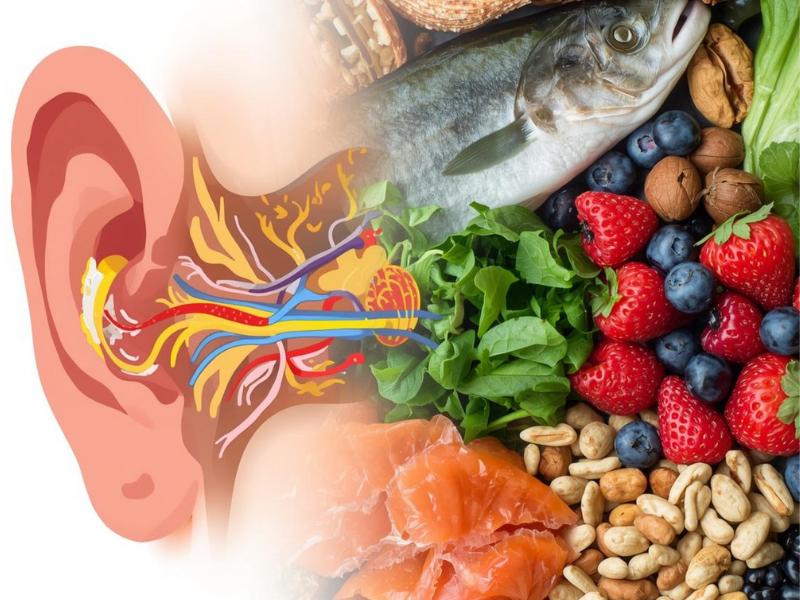
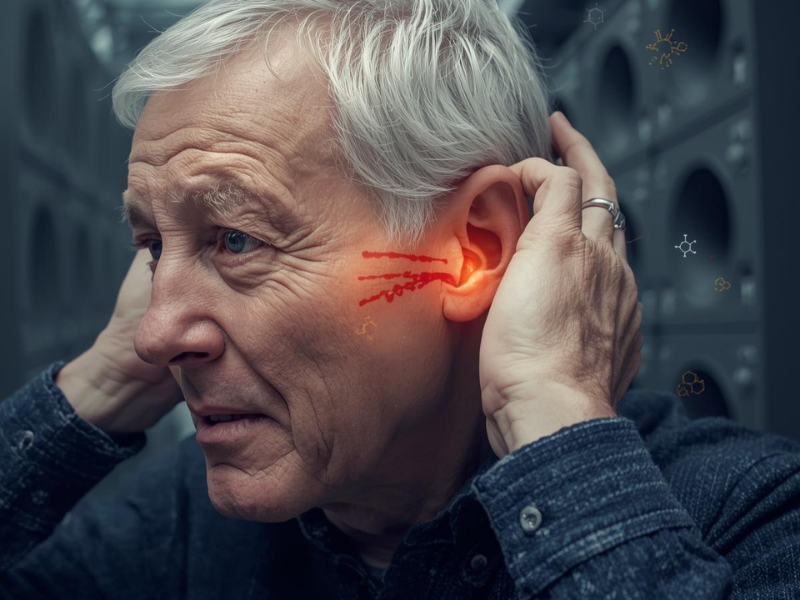
To understand how diet and lifestyle influence auditory sharpness, we need to first look at what actually causes hearing to decline. The inner ear — specifically the cochlea — contains thousands of delicate hair cells responsible for converting sound vibrations into electrical signals that travel to the brain via the auditory nerve. These hair cells do not regenerate once damaged.
Three primary mechanisms drive their deterioration: oxidative stress from free radicals, chronic inflammation in the auditory pathways, and compromised blood circulation to the cochlea. All three of these mechanisms are directly and significantly influenced by what we eat and how we live. That is the core insight that a growing body of peer-reviewed research is now confirming.
Diet and lifestyle for better auditory clarity refers to the evidence-based practice of reducing oxidative stress, systemic inflammation, and microvascular impairment through specific nutritional choices and daily habits. A diet rich in antioxidants, omega-3 fatty acids, B vitamins, and zinc — combined with stress management and regular physical activity — has been associated with measurable protection against age-related hearing decline.
Your hearing deserves more than a wait-and-see approach.
If ringing, muffled sounds, or reduced clarity affect your daily life, discover a carefully formulated solution designed to support inner ear health and the brain-ear connection—naturally, without stimulants or synthetic drugs.
The Science of Nutrition and Hearing: What the Research Confirms
The relationship between diet and hearing health is no longer speculative — it is supported by multiple systematic reviews, meta-analyses, and large-scale epidemiological studies published in leading peer-reviewed journals.
A 2025 systematic review and meta-analysis published in Frontiers in Nutrition, which analyzed 33 studies (21 cross-sectional, 10 cohort, and 2 case-control), found statistically significant inverse associations between the risk of hearing loss and the intake of vitamin B2, beta-carotene, carotenoids, beta-cryptoxanthin, dietary fiber, protein, fat, and fish [Ref. 1]. In simple terms: people who consumed these nutrients regularly were less likely to experience hearing decline.
Separately, a narrative review published in the Indian Journal of Otolaryngology and Head & Neck Surgery, drawing on 62 studies from PubMed, Scopus, and Web of Science between 2005 and 2023, confirmed that food factors and dietary patterns meaningfully influence the function of the auditory system — with outer hair cells and the basal cochlea appearing particularly vulnerable to nutritional deficits and reactive oxygen species (ROS) [Ref. 2].
Research from the Baltimore Longitudinal Study of Aging, published in the American Journal of Clinical Nutrition in 2024, followed 882 adults aged 45 and older and found that adherence to the MIND diet, Mediterranean diet, and Healthy Eating Index was associated with better hearing thresholds over time — particularly at high frequencies that are typically the first to decline [Ref. 3].
Together, these findings paint a consistent picture: eating patterns that reduce inflammation, protect against oxidative damage, and support vascular health are also protective for the ears.
Key Nutrients Most Consistently Linked to Better Hearing Health
Chronic Inflammation and Hearing Loss: The Hidden Connection
Inflammation is the body’s natural response to injury or infection — but when it becomes chronic and systemic, it causes damage to virtually every organ system, including the auditory system. The inner ear, much like the brain, is particularly sensitive to inflammatory processes because it has limited capacity for self-repair.
Inflammatory cytokines can disrupt the delicate fluid balance in the cochlea, impair microvascular blood flow to auditory hair cells, and damage the myelin sheath surrounding the auditory nerve — all of which degrade the clarity and speed of sound signal transmission. A diet high in ultra-processed foods, refined sugars, and industrial seed oils actively promotes this kind of low-grade systemic inflammation.
Conversely, anti-inflammatory dietary patterns — particularly the Mediterranean diet, the MIND diet, and diets high in colorful plant foods, legumes, and fatty fish — measurably reduce inflammatory markers like C-reactive protein (CRP) and interleukin-6 (IL-6), which are both associated with greater rates of sensorineural hearing loss in aging populations.
Researchers studying the association between eating habits and hearing loss in 654 adults aged 60–97 found a significant relationship between poor dietary quality and measurable hearing loss — even after controlling for age and noise exposure — supporting the role of diet as an independent modifier of auditory function [Ref. 4].
Cochlear Blood Flow: Why Circulation Is Critical for Hearing Clarity
The cochlea is an exceptionally metabolically active organ. It requires a constant, uninterrupted supply of oxygen and nutrients to maintain the electrochemical gradients that enable sound transduction. Any reduction in blood flow to the cochlea — even a modest one — can impair its function and accelerate hair cell degeneration.
This is why cardiovascular risk factors like hypertension, diabetes, and dyslipidemia are consistently associated with increased rates of age-related hearing loss. The same pathological processes that narrow coronary arteries also compromise the delicate spiral vessels that supply the cochlea. Research has shown a clear association between obesity, diet quality, and hearing loss in older adults — with poor diet quality independently predicting worse hearing thresholds [Ref. 5].
From a lifestyle standpoint, regular physical activity directly improves cochlear blood flow by enhancing vascular endothelial function, reducing arterial stiffness, and lowering systemic blood pressure. Even moderate aerobic exercise — such as 30 minutes of brisk walking five times per week — has been associated with better hearing outcomes in observational studies.
From a nutritional standpoint, foods and compounds that support vascular health — including omega-3 fatty acids, flavonoids, ginkgo biloba extract, and hawthorn berry — are therefore theoretically relevant to cochlear health as well as heart health, through their ability to improve microcirculation and reduce endothelial inflammation.
Botanicals Studied for Auditory and Nerve Health: What the Evidence Shows
Beyond general dietary patterns, a number of specific plant-derived compounds have been investigated in clinical studies for their potential effects on tinnitus, hearing clarity, and auditory nerve function. It is important to review these honestly — acknowledging both the supporting evidence and the limitations the research reveals.
Ginkgo Biloba
Ginkgo biloba is the most extensively studied botanical compound in the context of tinnitus and auditory health. Its proposed mechanisms include improving cochlear microcirculation, protecting against ototoxic damage, inhibiting platelet-activating factor, and providing antioxidant protection to auditory nerve tissue.
A 2023 randomized controlled clinical trial published in a peer-reviewed otolaryngology journal found that ginkgo biloba combined with antioxidants produced a statistically significant 36% reduction in Tinnitus Handicap Inventory (THI) scores compared to a 6.2% reduction with ginkgo biloba alone, and a 0.5% change in the placebo group — demonstrating meaningful synergy between ginkgo and antioxidant compounds [Ref. 6].
An early randomized study of 259 tinnitus patients found that standardized ginkgo biloba extract reduced tinnitus severity in 70% of participants — a figure cited widely in subsequent research [Ref. 7]. However, a 2022 Cochrane systematic review of 12 randomized controlled trials (1,915 participants total) concluded that the evidence for ginkgo biloba’s effects on tinnitus remains uncertain, calling for higher-quality trial methodology [Ref. 8].
The honest take: ginkgo biloba shows biological plausibility for auditory support and preliminary positive signals in some studies — but readers should approach results with appropriate expectations, as effects vary between individuals and more rigorous research is needed.
Ashwagandha (Withania somnifera)
Ashwagandha is an adaptogenic herb used for centuries in Ayurvedic medicine that has attracted modern clinical interest for its effects on cortisol reduction, neuroinflammation, and auditory processing. Chronic psychological stress is a recognized aggravating factor in tinnitus — it elevates cortisol, which disrupts neurotransmitter balance and intensifies the perception of internal noise.
A 2025 randomized controlled trial directly compared ginkgo biloba combined with caroverine to ashwagandha combined with caroverine in 50 patients with idiopathic tinnitus over six months. Both groups showed statistically significant reductions in THI scores (p < 0.05), with ashwagandha offering comparable results to ginkgo biloba — and positioning itself as a cost-effective alternative for tinnitus management [Ref. 9].
Zinc
Zinc is present in high concentrations in the cochlea and plays a role in immune defense, antioxidant enzyme function, and neurotransmission in the auditory system. Several studies have observed lower serum zinc levels in people with tinnitus and age-related hearing loss, suggesting a potential deficiency link.
A cross-sectional analysis of the National Health and Nutrition Examination Survey (NHANES) data on 2,956 adults found that higher overall dietary quality — including adequate zinc intake — was associated with significantly better high-frequency hearing thresholds, even after adjusting for age and noise exposure [Ref. 10].
Magnesium
Magnesium has been studied primarily for its potential role in protecting against noise-induced hearing loss. Decreased serum magnesium levels have been associated with tinnitus in research settings. Preliminary studies suggest magnesium supplementation may have a beneficial effect on cochlear function and tinnitus perception, though larger, well-designed trials are needed to confirm this relationship [Ref. 11].
Mucuna Pruriens
Mucuna pruriens (velvet bean) is a natural source of L-DOPA, a precursor to dopamine and other catecholamines involved in neurotransmission. Some researchers theorize that auditory processing disruptions related to tinnitus involve dopaminergic pathways, making dopamine precursors potentially relevant to auditory nerve function. Research into Mucuna pruriens for hearing health specifically remains in early stages, though its adaptogenic and neuroprotective properties are reasonably well-documented.
Beyond Diet: Lifestyle Habits That Directly Impact Your Hearing
Nutritional choices represent only one dimension of ear health. A comprehensive approach to maintaining or improving auditory clarity over time involves several interconnected lifestyle domains that the research consistently highlights.
Stress Management
Chronic psychological stress causes the adrenal glands to release cortisol and adrenaline, which over time constrict blood vessels — including those supplying the inner ear — and promote systemic inflammation. Multiple studies have identified stress as a precipitating or aggravating factor in sudden sensorineural hearing loss and tinnitus severity. Mind-body practices such as mindfulness meditation, progressive muscle relaxation, and yoga have been associated with measurable reductions in tinnitus distress in controlled studies.
Sleep Quality
The auditory system, like all neurological systems, undergoes restoration and consolidation during deep sleep. Sleep deprivation elevates inflammatory cytokines and impairs neurotransmitter regulation — both of which negatively impact auditory processing. People with chronic tinnitus often report their symptoms worsen significantly with poor sleep, creating a bidirectional cycle. Improving sleep hygiene — consistent sleep schedules, darkness, reduced screen time before bed — addresses both auditory and systemic health simultaneously.
Noise Exposure Management
While not directly a dietary issue, managing noise exposure remains one of the most impactful lifestyle choices for hearing health. Research shows that even moderate, repeated exposure to sounds above 85 decibels causes cumulative cochlear hair cell damage. Using ear protection in noisy environments, observing the 60/60 rule with headphones (no more than 60% volume for no more than 60 minutes), and allowing acoustic recovery time between noise exposures are all supported by audiological research.
Physical Activity
Regular aerobic exercise has been shown to improve cochlear blood flow, reduce systemic inflammation, and support the vascular health of the auditory system. A Korean national cohort study of 3 years found that dietary patterns combining adequate nutrients with an active lifestyle were associated with significantly reduced rates of noise-induced hearing loss [Ref. 12].
Practical Steps to Support Auditory Clarity Through Diet and Daily Habits
Integrating the science into your daily life does not require a dramatic overhaul. The following evidence-informed actions collectively address the primary biological mechanisms behind hearing decline:
Protecting Your Hearing Through What You Eat and How You Live
The research is clear: diet and lifestyle for better auditory clarity is not a fringe wellness concept — it is a growing area of evidence-based science supported by systematic reviews, longitudinal cohort studies, and randomized clinical trials published in leading peer-reviewed journals.
Your inner ear is a remarkably sophisticated biological structure, but it is also a vulnerable one. The cochlear hair cells that allow you to perceive and distinguish sounds are irreplaceable once lost. The auditory nerve that carries signals to the brain depends on adequate circulation, protection from oxidative damage, and the right nutritional environment to function efficiently. All three of these biological needs respond meaningfully to what you eat and how you manage the rest of your daily life.
A diet rich in omega-3 fatty acids, carotenoids, B vitamins, zinc, and anti-inflammatory polyphenols — delivered through a Mediterranean-style or whole-foods dietary pattern — provides meaningful biological support for auditory health. Combined with stress management, quality sleep, regular physical activity, and sensible noise exposure habits, these lifestyle foundations can represent a genuine and science-supported strategy for preserving auditory sharpness over time.
Beyond dietary fundamentals, specific botanicals — including ginkgo biloba, ashwagandha, and magnesium — have shown promising signals in clinical research for their potential to support auditory nerve function, reduce tinnitus severity, and improve the ear-brain connection. While more rigorous research is always warranted, the biological plausibility and preliminary clinical data provide a reasonable foundation for individuals seeking natural, adjunctive support for their hearing health.
The most powerful thing you can do for your hearing today is to start treating it with the same intentionality you bring to your heart health or your cognitive function. Your ears deserve no less.
After years of exposure to noise, stress, and inflammatory foods, your ears deserve targeted nutritional support designed to help protect long-term inner ear health—from the inside out.

Scientific references
| Ref. | Topic / Compound | Key Finding | Source / Year | URL / DOI |
|---|---|---|---|---|
| 1 | Dietary nutrients & hearing loss (meta-analysis) | Meta-analysis of 33 studies: significant inverse associations between vitamin B2, beta-carotene, carotenoids, omega-3, fiber, fish intake and risk of hearing loss. | Frontiers in Nutrition, Lu et al. (2025) | pmc.ncbi.nlm.nih.gov/articles/PMC12100664/ |
| 2 | Diet and sensorineural hearing loss (narrative review) | Review of 62 studies (2005–2023): food factors and dietary patterns significantly influence auditory function; outer cochlear hair cells most vulnerable to ROS and nutritional deficits. | Indian J. Otolaryngol., Emami SF (2024) | pubmed.ncbi.nlm.nih.gov/38440452/ |
| 3 | Dietary indices and hearing — Baltimore Longitudinal Study | 882 adults aged ≥45 years: higher adherence to MIND, Mediterranean, and Healthy Eating Index associated with better high-frequency hearing thresholds over time. | Am. J. Clinical Nutrition, 2024 (NIH/NIA) | pmc.ncbi.nlm.nih.gov/articles/PMC11130650/ |
| 4 | Eating habits and hearing loss in older adults (654 participants) | Cross-sectional study: significant association between dietary quality and measured hearing loss in adults aged 60–97, independent of age and noise exposure. | Am. J. Lifestyle Medicine / PMC (2023) | pmc.ncbi.nlm.nih.gov/articles/PMC11873865/ |
| 5 | Obesity, diet quality, and hearing loss | Prospective observational study: poor diet quality independently predicted worse hearing thresholds; obesity and metabolic risk factors linked to cochlear vascular impairment. | Aging (Albany NY), Croll PH et al. (2019) | pubmed.ncbi.nlm.nih.gov/30609412/ |
| 6 | Ginkgo biloba + antioxidants in tinnitus patients (RCT) | Ginkgo biloba combined with antioxidants produced a statistically significant 36% reduction in THI scores vs 6.2% with Ginkgo alone and 0.5% placebo (p<0.05, n=69). | PMC / Clin. study (2023) | pmc.ncbi.nlm.nih.gov/articles/PMC9884989/ |
| 7 | Ginkgo biloba in tinnitus — early RCT (259 patients) | Standardized ginkgo biloba extract reduced tinnitus severity in 70% of patients with tinnitus duration under 1 year in an early randomized trial. | Meyer 1986, cited in Frontiers Pharmacology (2022) | frontiersin.org/journals/pharmacology/articles/10.3389/fphar.2022.1037528/full |
| 8 | Ginkgo biloba for tinnitus — Cochrane Review (12 RCTs, 1,915 participants) | Cochrane systematic review: evidence on Ginkgo biloba for tinnitus remains very low certainty; future trials should use more rigorous methodology and validated patient-centred outcomes. | Cochrane Database Syst. Rev., Sereda M. (2022) | pubmed.ncbi.nlm.nih.gov/36383762/ |
| 9 | Ashwagandha vs Ginkgo biloba in idiopathic tinnitus (RCT, 50 patients) | Both Ashwagandha + Caroverine and Ginkgo + Caroverine significantly reduced THI scores over 6 months (p<0.05); Ashwagandha offered comparable results as a cost-effective alternative. | J. Neonatal Surg., Srinivasan M. (2025) | jneonatalsurg.com/index.php/jns/article/view/6512 |
| 10 | Healthy diets and hearing — NHANES 1999–2002 | NHANES analysis (2,956 adults): higher dietary quality scores associated with significantly better high-frequency hearing thresholds even after adjusting for age and noise exposure. | International J. Audiology, Curhan et al. (2014) | pubmed.ncbi.nlm.nih.gov/23594420/ |
| 11 | Magnesium, zinc, and tinnitus | Decreased serum magnesium and zinc associated with tinnitus; preliminary studies suggest magnesium supplementation may support cochlear function and tinnitus perception. | American Tinnitus Association literature review / PubMed | ata.org/the-allure-of-the-magic-pill/ |
| 12 | Diet, lifestyle and noise-induced hearing loss — Korean National Cohort Study (3 years) | 3-year national cohort of Korean adults: specific dietary nutrient patterns combined with activity associated with significantly reduced rates of noise-induced hearing loss. | PLoS One, Lee HJ et al. (2022) | pubmed.ncbi.nlm.nih.gov/36584228/ |
Medical Disclaimer
I am not a medical doctor, audiologist, or licensed healthcare provider. The information in this article is intended for general educational and informational purposes only and does not constitute medical advice, diagnosis, or treatment recommendations. All content is based on publicly available peer-reviewed research and is provided to help readers make informed decisions about their health.
If you experience hearing loss, tinnitus, ear pain, or any other auditory symptoms, please consult a qualified healthcare professional or licensed audiologist before making any changes to your diet, supplement routine, or lifestyle. Do not delay seeking professional medical advice based on information you have read in this article.
This article may contain affiliate links. If you choose to purchase through these links, I may receive a commission at no additional cost to you. My editorial content remains independent, and I only share products and information I genuinely believe may be of value to readers.