Why Your Diet and Workout Routine May Not Be the Problem
You count your calories. You show up to the gym. You skip dessert, drink more water, and get to bed at a reasonable hour. Yet the scale barely moves — and that stubborn belly fat refuses to budge. If this sounds familiar, you are not alone, and more importantly, you are not doing anything wrong.
Millions of people — particularly women and men over 35 — find themselves eating less and exercising but still gaining belly fat, or at least failing to lose it despite their best efforts. The frustrating plateau can feel like a personal failure, but the latest science tells a different story entirely.
In this article, you will learn why calorie restriction and exercise alone often fail to shift abdominal fat — and what a growing body of research suggests may actually be the missing piece. Specifically, you will discover:
By the end of this article, you will have a clearer, science-informed picture of why your body may be working against you — and what science suggests you can do about it.
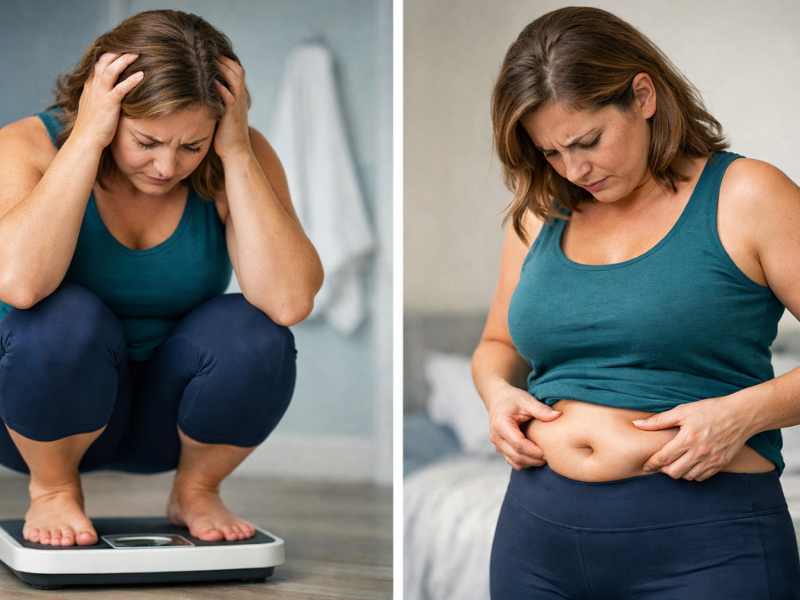
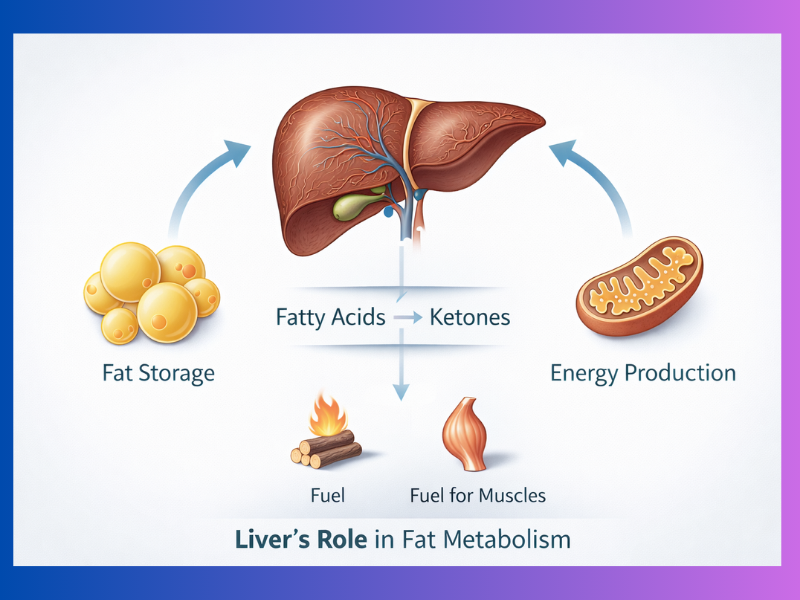
To understand why so many people find themselves eating well and exercising regularly yet still struggling with weight around their midsection, we need to look beyond the simple equation of calories in versus calories out. The human body is far more complex than a mathematical formula — and researchers have been uncovering evidence that points to a central, often-overlooked biological player.
That player is your liver. Specifically, how efficiently it functions. Emerging research suggests that compromised liver function may be one of the most significant yet underappreciated contributors to slow metabolism, persistent fatigue, and stubborn abdominal weight gain — regardless of what or how much you eat.
If you are eating less and exercising but still gaining belly fat, the root cause may be impaired liver function. The liver regulates whether food is burned as energy or stored as fat. When it is overloaded by environmental toxins, its fat-processing efficiency declines significantly, causing slow metabolism, low energy, and accumulation of visceral fat — independent of caloric intake.
Do you recognize these symptoms? Discover the natural formula designed to support liver function and boost your metabolism.
Your Liver Is Your Body’s Fat-Burning Control Center
Most people think of the liver primarily as a detoxification organ — and they are right. Every day, the liver filters blood coming from the digestive tract, neutralizing chemicals, metabolizing medications, and processing the hundreds of synthetic compounds we inadvertently consume through food, water, and the air we breathe. Researchers estimate that modern humans are regularly exposed to over 85,000 toxic substances through these everyday channels.
But the liver does something even more metabolically critical: it acts as the primary gatekeeper of fat storage and energy production. Everything you eat or drink eventually reaches the liver for processing. Once there, the liver determines whether incoming nutrients get converted into usable energy or packed away as body fat — including the particularly stubborn visceral fat stored around the abdomen and internal organs.
Here is the key point: when liver cells become damaged or overloaded by toxins, their ability to process fat efficiently is dramatically reduced. A liver functioning at sub-optimal capacity essentially loses its fat-burning power. Scientific research indicates that an optimally functioning liver can process fat and calories up to 14 times more efficiently than a compromised one. That gap explains why two people can follow identical diets and exercise plans and get vastly different results.
This is also why belly fat that won’t budge despite calorie restriction and cardio is such a common and frustrating experience — especially after age 35, when the cumulative burden of toxin exposure on liver cells begins to compound.
What a Compromised Liver Does to Your Body
How Modern Toxins Quietly Undermine Your Metabolism
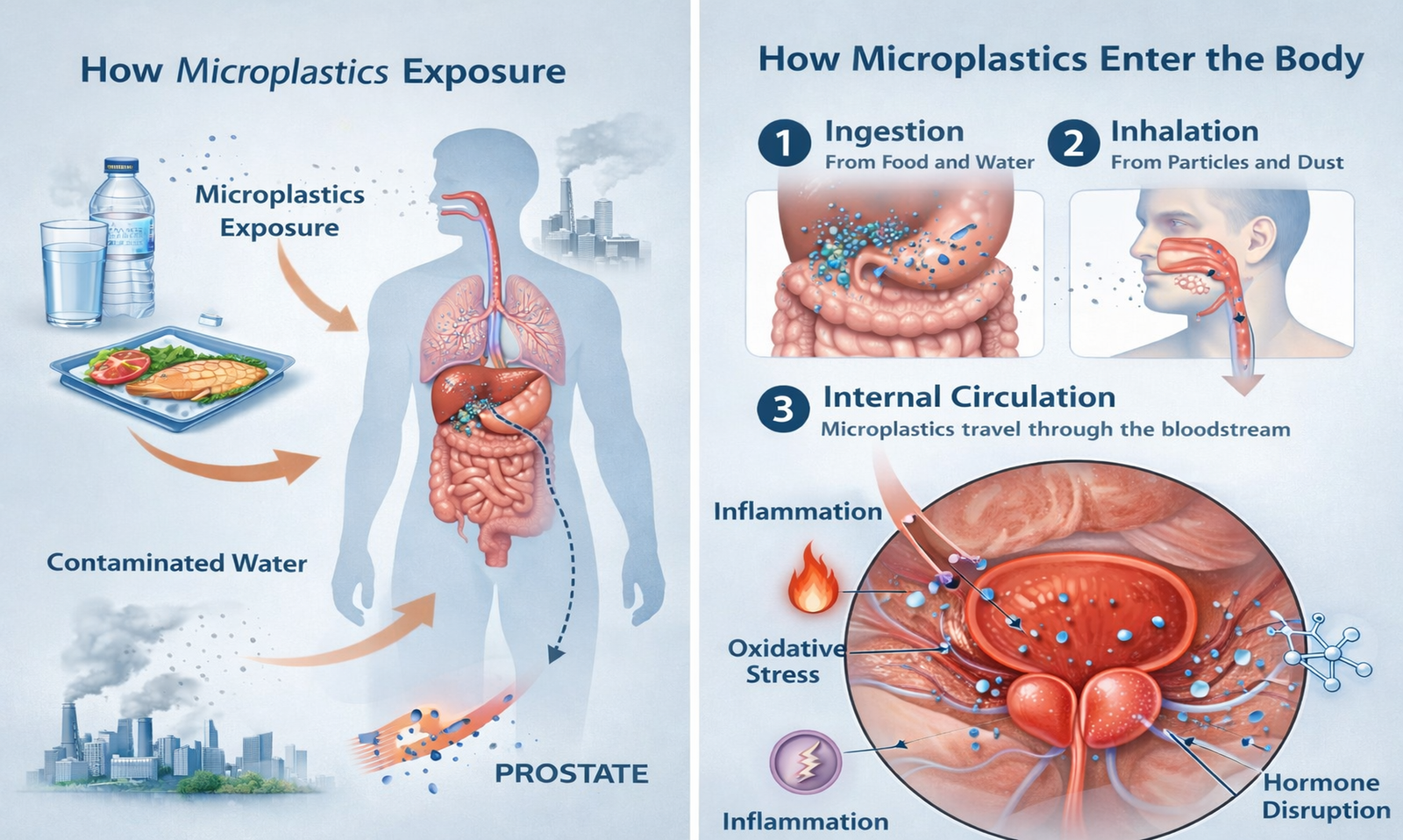
We live in an era of unprecedented chemical exposure. Processed foods contain preservatives, emulsifiers, and artificial additives. Tap water carries chlorine, microplastics, and trace pharmaceuticals. The air in most cities delivers a cocktail of particulate matter and industrial pollutants directly into our bloodstream. Even many otherwise healthy foods are sprayed with pesticides that accumulate in fat tissue.
Each of these substances must eventually pass through the liver for neutralization and removal. Over time — particularly if your diet is high in ultra-processed foods or your environment is particularly toxic — the liver’s detoxification capacity becomes strained. The specific liver cells responsible for fat metabolism (hepatocytes) take the brunt of this damage.
The result is a chronically sluggish metabolic process that no amount of dieting or exercise can fully compensate for. You may eat less than your friend and exercise more, yet still carry more weight around your middle — because the underlying metabolic machinery is not performing at full capacity. This is not a willpower issue. It is a biology issue.
Supporting the liver’s natural detoxification pathways — particularly through targeted nutrition and botanicals studied for hepatoprotective properties — is therefore an increasingly important area of research for anyone dealing with unexplained weight gain, slow metabolism, or chronic fatigue.
What the Science Says: Natural Compounds That Support Liver Function and Fat Metabolism
A growing body of peer-reviewed research has investigated the effects of specific plant-based compounds on liver health and metabolic function. Here is what current evidence shows about the key ingredients most studied in this context:
1. Silymarin (Milk Thistle Extract)
Silymarin, the bioactive extract of milk thistle (Silybum marianum), is one of the most thoroughly researched hepatoprotective compounds in existence. It has been used in traditional medicine for centuries and is now supported by multiple clinical meta-analyses.
A 2024 systematic review and meta-analysis published in PubMed analyzed nine randomized clinical trials involving 820 patients with non-alcoholic fatty liver disease (NAFLD). Researchers found that silymarin significantly reduced liver enzyme levels (ALT and AST), triglycerides, and markers of liver inflammation [Ref. 1]. A separate meta-analysis of eight RCTs confirmed that silymarin supplementation led to statistically significant reductions in transaminase levels, independent of weight loss [Ref. 2].
Animal studies have also shown that silymarin reduced body weight and abdominal fat mass in obese mice on a high-fat diet, while suppressing elevated plasma lipid levels — without reducing food intake [Ref. 3]. Its proposed mechanisms include scavenging of reactive oxygen species, stabilization of liver cell membranes, and promotion of liver cell regeneration.
2. Berberine
Berberine is a natural alkaloid found in several plants, including Berberis vulgaris. It has attracted intense scientific interest for its effects on lipid metabolism, insulin sensitivity, and liver function.
A 2024 meta-analysis of 10 randomized controlled trials involving 811 NAFLD patients, registered with PROSPERO and published in the Journal of Translational Medicine, found that berberine produced statistically significant reductions in liver enzymes (ALT, AST, GGT), triglycerides, total cholesterol, LDL cholesterol, insulin resistance (HOMA-IR), and BMI [Ref. 4].
The National Center for Complementary and Integrative Health (NCCIH) notes that a 2022 review of 18 studies found significant decreases in both body weight and BMI among participants who took berberine [Ref. 5]. A 2023 systematic review confirmed berberine can regulate NAFLD development through multiple pathways including weight reduction, modulation of lipid and glucose metabolism, and reduction of oxidative stress [Ref. 6].
3. Resveratrol
Resveratrol, a polyphenol abundant in grapes, berries, and certain plants, has been the subject of landmark human trials for its effects on metabolism and liver health.
A double-blind crossover study published in Cell Metabolism treated 11 obese men with 150 mg/day of resveratrol for 30 days and found that resveratrol activated the AMPK-SIRT1-PGC-1α metabolic pathway, improved mitochondrial efficiency, decreased intrahepatic lipid content, and reduced circulating glucose, triglycerides, and inflammatory markers — effects the authors described as mimicking calorie restriction [Ref. 7].
A 2025 study published in Scientific Reports found that resveratrol significantly reduced body weight, adiposity, and hepatic oxidative stress markers in high-fat diet rats, while restoring normal liver enzyme activity and reducing liver fat accumulation [Ref. 8].
4. Camellia Sinensis (Green Tea Extract)
Camellia sinensis, the source of green tea, contains catechins — particularly EGCG — that have been linked to thermogenesis (heat-based calorie burning), fat oxidation, and improved liver enzyme profiles.
Research cited by Healthline and multiple peer-reviewed sources indicates that EGCG may inhibit enzymes that cause the body to absorb and store carbohydrates and dietary fat, while influencing gut microbiota to increase fat breakdown [Ref. 9]. Separately, the catechin content of green tea extract has been associated with protection against liver inflammation by decreasing the liver enzymes associated with injury.
Signs That Your Liver May Be Affecting Your Ability to Lose Weight
Many people walk around with suboptimal liver function without knowing it. Unlike a broken leg, a sluggish liver does not announce itself with obvious symptoms. Instead, it tends to express itself through a constellation of vague but persistent complaints that get dismissed as ‘just aging’ or ‘stress.’
Pay attention if you recognize yourself in several of the following patterns:
It is important to emphasize that if you suspect liver disease, you should consult your doctor for proper testing. The patterns above are general wellness indicators, not a substitute for medical diagnosis.
What You Can Do to Support Your Liver and Your Metabolism
Supporting healthy liver function does not require drastic measures. Sustainable lifestyle changes, combined with evidence-informed nutritional strategies, can help restore the liver’s natural efficiency over time.
Lifestyle Foundations
Evidence-Informed Nutritional Support
Beyond dietary foundations, specific botanicals and compounds — including silymarin, berberine, resveratrol, and green tea catechins — have shown meaningful results in peer-reviewed research for supporting liver health and metabolic efficiency. These nutrients are increasingly being studied as complementary strategies for people struggling with stubborn belly fat, slow metabolism, and chronic fatigue tied to liver dysfunction.
When choosing a supplement, look for plant-based, non-GMO formulas that combine multiple hepatoprotective ingredients and are manufactured in FDA-registered, GMP-certified facilities. As always, consult your physician before starting any new supplement regimen, especially if you are currently taking medications or managing a health condition.
The Bottom Line: It Might Not Be About Eating Less and Moving More
If you have been eating less and exercising but still gaining belly fat — or simply failing to lose the stubborn weight around your midsection — the most important thing to understand is this: the problem may not be your discipline or your diet. The latest science points increasingly toward liver function as the hidden biological driver of abdominal fat accumulation, sluggish metabolism, and persistent low energy.
Your liver is the metabolic conductor of your entire body. When it operates at full capacity, it efficiently determines whether your food becomes fuel or fat. When it becomes overloaded — by decades of exposure to environmental pollutants, ultra-processed foods, alcohol, and synthetic chemicals — its fat-burning efficiency declines sharply, regardless of how carefully you eat.
The good news is that liver function can be supported. A growing body of peer-reviewed evidence backs specific natural compounds — silymarin, berberine, resveratrol, and green tea catechins among them — for their ability to reduce hepatic inflammation, improve liver enzyme profiles, support detoxification pathways, and assist in metabolic efficiency. These are not magic solutions; they are science-backed tools to help your liver do the job it was designed to do.
Combined with consistent lifestyle habits — reducing processed food intake, staying hydrated, exercising regularly, and getting quality sleep — nutritional support for your liver may be the missing link in your weight loss journey.
If you have been trying everything without results, consider that you may have been targeting symptoms rather than the source. Start with your liver — and see what changes.
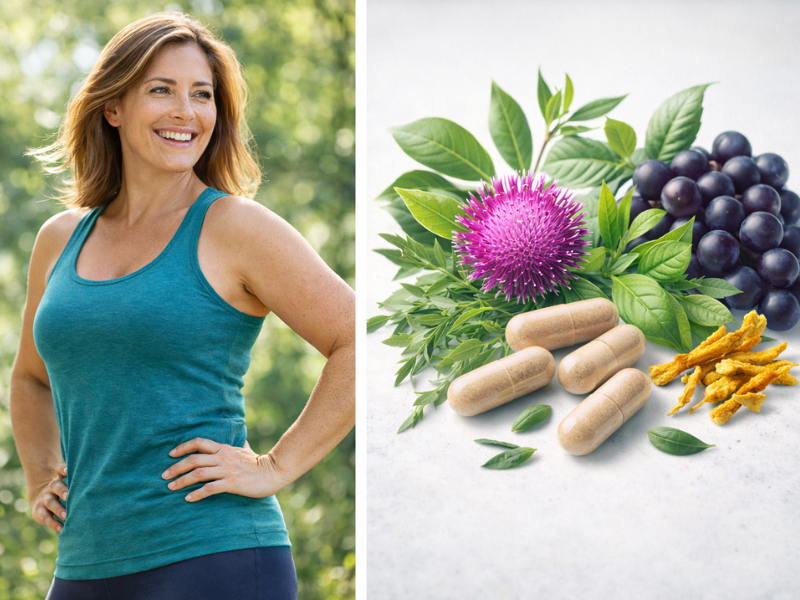
Your liver works for you — have you thought about working for it? If, despite your efforts, your belly fat stubbornly remains, this Mediterranean herb-based formula, specially designed to support the liver’s natural detox pathways, will help you understand how to support your liver and restore an efficient metabolism.
Summary Table of Scientific References
| Ref. | Compound | Study / Finding | Source | URL / DOI |
|---|---|---|---|---|
| 1 | Silymarin | Meta-analysis of 9 RCTs (820 patients with NAFLD/MASLD): Silymarin significantly reduced liver enzymes ALT, AST, and triglycerides. | PubMed / PMC10946183 (2024) | pubmed.ncbi.nlm.nih.gov/38505782/ |
| 2 | Silymarin | Meta-analysis of 8 RCTs (622 participants): Silymarin reduced transaminase levels significantly vs. placebo, independent of weight loss. | Nutrition / ScienceDirect (2021) | pubmed.ncbi.nlm.nih.gov/33418491/ |
| 3 | Silymarin | Animal study: Silymarin reduced body weight and epididymal fat in obese mice on high-fat diet while suppressing plasma lipids (TC, TG, LDL). | PubMed (2016) | pubmed.ncbi.nlm.nih.gov/27387273/ |
| 4 | Berberine | Meta-analysis of 10 RCTs (811 NAFLD patients): Berberine significantly reduced liver enzymes, cholesterol, triglycerides, insulin resistance (HOMA-IR), and BMI. | J. Translational Medicine (2024) | pubmed.ncbi.nlm.nih.gov/38429794/ |
| 5 | Berberine | Review of 18 studies: Berberine produced significant decreases in body weight and BMI; most pronounced at doses >1g/day for >8 weeks. | NCCIH / NIH (2022) | nccih.nih.gov/health/berberine-and-weight-loss |
| 6 | Berberine | Systematic review of 65 studies: Berberine regulates NAFLD via reduced body weight, modulated lipid/glucose metabolism, and reduced inflammation and oxidative stress. | J. Food Biochemistry / Wiley (2023) | doi.org/10.1155/2023/7277060 |
| 7 | Resveratrol | Double-blind crossover RCT (11 obese men, 30 days): Resveratrol (150 mg/day) activated AMPK-SIRT1-PGC-1α, reduced intrahepatic lipids, glucose, triglycerides and inflammation — mimicking calorie restriction. | Cell Metabolism (2011) | doi.org/10.1016/j.cmet.2011.10.002 |
| 8 | Resveratrol | Animal study (8 weeks): Resveratrol reduced body weight, adiposity, and hepatic oxidative stress in high-fat diet rats; normalized liver function markers ALT, AST, ALP; reduced liver fat. | Scientific Reports / Nature (2025) | nature.com/articles/s41598-025-08450-z |
| 9 | Camellia Sinensis (Green Tea) |
Multiple studies indicate EGCG catechins support fat oxidation, thermogenesis, and inhibit fat absorption enzymes; catechins and L-theanine may protect liver by reducing inflammation markers. |
Healthline Review (2021, peer-reviewed sources cited) | healthline.com/nutrition/camellia-sinensis-leaf-extract |
Medical Disclaimer
I am not a medical doctor, nutritionist, or licensed healthcare provider. The information contained in this article is provided for educational and informational purposes only and does not constitute medical advice, diagnosis, or treatment. The content is based on publicly available peer-reviewed research and is intended to help readers understand the relationship between liver function and metabolic health.
Always consult your physician or a qualified healthcare professional before making changes to your diet, exercise routine, or supplement regimen — particularly if you have an existing health condition, are pregnant or breastfeeding, or are currently taking prescription medications. Individual results from any supplement or lifestyle change will vary.
This article may contain affiliate links. If you make a purchase through these links, I may earn a commission at no additional cost to you. I only recommend products I genuinely believe may be beneficial, and my editorial opinions remain independent.