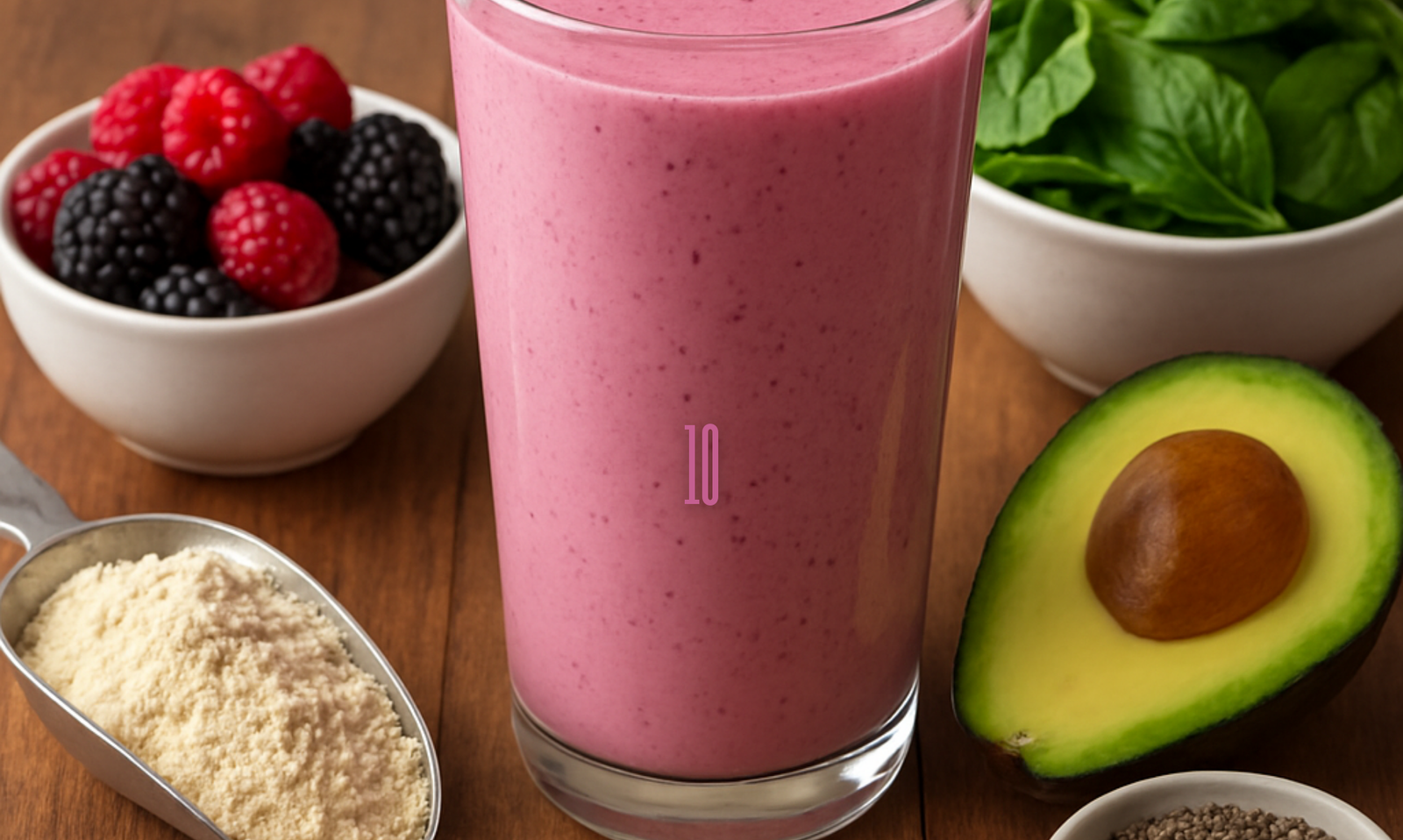
Why Your Weight Loss Has Stalled And What You Can Do About It
You have been eating carefully, staying consistent, and doing everything right. Then suddenly, the scale stops moving. You feel frustrated, confused, and tempted to give up. If this sounds familiar, you are not alone. Weight loss plateaus affect an estimated 85% of people who attempt to diet, according to research published on the NCBI platform, and they represent one of the most common reasons people abandon their health goals entirely.
The good news is that a plateau is not a dead end. It is a biological signal — your body telling you that it needs a different stimulus to keep progressing. One evidence-backed approach that many people have found effective is restructuring their nutrition through a structured, nutrient-dense meal replacement strategy. A 21-day smoothie-based eating plan is one such method, and when it is designed correctly, it can help you shift your calorie intake, flood your system with micronutrients, reduce cravings, and restart your body’s fat-burning mechanisms.
In this article, you will learn exactly why plateaus happen from a physiological standpoint, how a structured 21-day smoothie plan can help you work through them, what the science says about meal replacement smoothies and weight loss, and which practical strategies will help you make the most of any smoothie-based approach. Whether you have 5 pounds left to lose or 50, the principles covered here are relevant, realistic, and grounded in research.

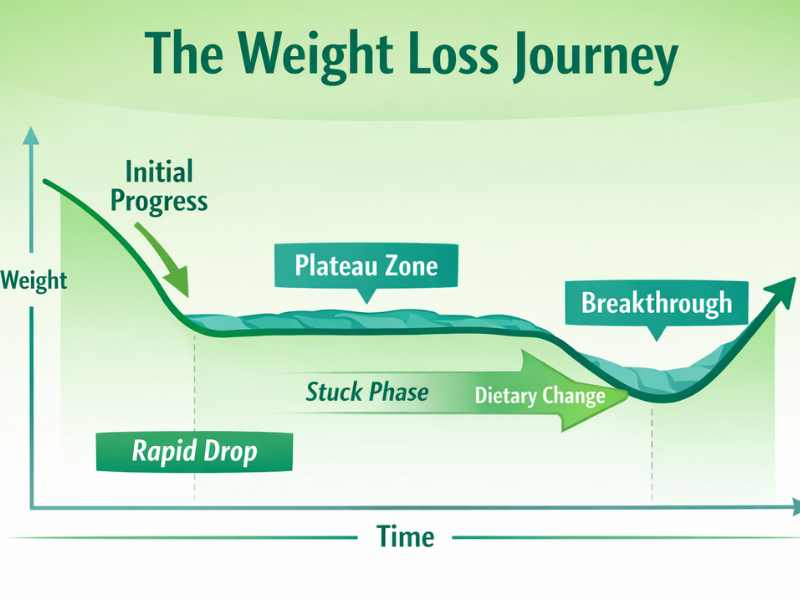
Understanding why your weight loss has stopped is the first step toward overcoming it. Your body is not broken or betraying you — it is doing exactly what millions of years of evolution programmed it to do: survive.
When you reduce your calorie intake, your body initially responds with weight loss. But over time, it begins to adapt. Research published in the American Journal of Clinical Nutrition confirms that as you lose weight, you also lose some lean muscle mass. Because muscle is metabolically active tissue, losing it means your body burns fewer calories at rest. Your resting metabolic rate (RMR) drops, and what was once a meaningful calorie deficit becomes your new maintenance level.
This process — known as adaptive thermogenesis — is well-documented in the scientific literature. A study published in Cell Reports Medicine confirms that total energy expenditure can decrease by approximately 15% following a 10% reduction in body weight, even when adjusted for body composition changes. There is also a hormonal dimension to plateaus: leptin decreases as you lose fat tissue, increasing appetite, while ghrelin, the hunger hormone, tends to rise during caloric restriction.
What does it mean to break a weight loss plateau with a 21-day smoothie plan?
Breaking a weight loss plateau with a 21-day smoothie plan involves using structured, nutrient-dense meal replacement smoothies to create a renewed calorie deficit, increase micronutrient intake, reduce sugar cravings, and disrupt metabolic adaptation. Over 21 days, the progressive variation of smoothie ingredients and macronutrient ratios challenges the body’s adaptive responses, supporting resumed fat loss.
Plateaus don’t require motivation; they require structure. Start by standardizing your next three smoothies and observing what changes.
What Makes a 21-Day Smoothie Plan an Effective Strategy for Breaking Plateaus
A generic diet change may help, but a structured 21-day smoothie plan works because it combines several evidence-based mechanisms in one approach. The key is not simply drinking smoothies — it is doing so within a progressive, calorie-controlled framework where the type of smoothie, the ingredient balance, and the meal replacement timing are all intentional.
A well-designed plan typically involves replacing two of your daily meals — usually breakfast and lunch — with nutrient-dense smoothies, while still eating one balanced solid meal in the evening. This structure creates a natural calorie deficit without extreme restriction. A clinical study published in PMC (NCBI) found that participants using a meal replacement beverage for both breakfast and lunch over 12 weeks lost an average of 13.8 pounds, while also reporting improvements in physical functioning, general health, vitality, and mental health.
What distinguishes a 21-day plan from a random smoothie habit is the weekly progression of ingredient ratios. Research published in Scientific Reports (Nature, 2025) found that protein-enriched intermittent meal replacement interventions combined with moderate physical activity helped prevent the plateau in weight loss that occurred in exercise-only groups between weeks 3 and 8. The meal replacement group showed continuous fat loss — including significant reductions in abdominal fat — because the progressive dietary stimulus kept the body from fully adapting.
Benefits of a structured 21-day smoothie plan for plateau-breaking:
The Role of Fiber in Smoothies and Weight Loss
One of the most powerful — and often overlooked — reasons that whole-food smoothies support weight loss is their fiber content. When you blend fruits, leafy greens, seeds, and vegetables, you retain all of the dietary fiber that juicing discards. This distinction is critical.
Research published in the Annals of Internal Medicine, conducted by the University of Massachusetts Medical School, found that simply increasing dietary fiber to 30 grams per day helped participants lose weight, lower blood pressure, and improve insulin response — even without any other dietary restriction. The reason is that dietary fiber slows the absorption of sugar into the bloodstream, reduces post-meal blood glucose spikes, increases feelings of fullness after eating, and feeds beneficial gut bacteria that regulate metabolism and fat storage.
A peer-reviewed article in PMC confirms that high dietary fiber intake improves insulin sensitivity, which is a key factor in fat metabolism. Poor insulin sensitivity contributes to fat storage, energy crashes, and persistent cravings, all of which make it harder to sustain a calorie deficit. By flooding your system with soluble and insoluble fiber through daily smoothies, you help regulate these hormonal pathways and create a more metabolically favourable environment for fat loss.
Fiber-rich smoothie ingredients to prioritise:
How Smoothies Help Reset Sugar Cravings and Stabilise Blood Sugar
One of the most frustrating aspects of a weight loss plateau is the intensification of cravings. When you have been dieting for weeks, your willpower is lower, your hunger hormones are elevated, and your brain is actively seeking calorie-dense foods. This is not a character flaw — it is a predictable physiological response to caloric restriction.
A structured smoothie plan addresses this at the root level by replacing processed foods with naturally sweet, fiber-rich alternatives. Blending whole fruits creates smoothies that taste satisfying without spiking blood sugar the way refined sugars do. Research published in PMC examining soluble dietary fibers found that fiber-enriched beverages significantly reduced post-meal blood glucose and insulin responses compared to lower-fiber controls.
After approximately one to two weeks on a structured smoothie plan, most people report that their cravings for sweets and processed foods diminish noticeably. This happens because taste receptors adapt when you remove added sugars from your diet — natural fruit sweetness becomes satisfying, and processed foods begin to taste overly sweet or artificial. This is a meaningful shift because it changes the dietary environment in a way that supports long-term adherence rather than willpower-dependent restriction.
The Three-Week Structure: Why Duration and Progression Matter
The 21-day timeframe is not arbitrary. It reflects both the biological timeline of metabolic adaptation and the psychological research on habit formation. Three weeks is long enough to produce measurable physiological changes — including improvements in insulin sensitivity and adaptations in gut microbiome composition — while remaining short enough to feel genuinely achievable.
Research published in Scientific Reports shows that exercise-only weight loss interventions experience a plateau between weeks 3 and 8, whereas groups combining exercise with progressive meal replacement interventions did not plateau during the same window. Applying this same principle to nutrition — changing ingredient ratios, macronutrient composition, and calorie load across each week — keeps the body in a state where it cannot fully habituate to a single dietary pattern.
A practical three-week framework for a smoothie-based plateau-breaking plan:
Practical Tips for Making Your 21-Day Smoothie Plan Work
Even the best-designed nutritional strategy will underperform if it is difficult to execute in daily life. Consistency is the most important predictor of dietary adherence, so any plan needs to be practical, affordable, and enjoyable.
The first priority is preparation. Batch-prepping smoothie ingredients in advance — portioning fruits and vegetables into freezer bags the night before — removes the morning friction that causes people to skip smoothies in favour of convenience foods. Frozen fruits blend just as well as fresh and are often more cost-effective, making the plan accessible for most budgets.
The second priority is the solid meal. A 21-day smoothie plan is not a juice fast or an all-liquid diet. The inclusion of one balanced solid meal per day — typically dinner — is essential for ensuring adequate protein intake, supporting muscle preservation, and maintaining the psychological satisfaction that makes the plan sustainable.
Practical strategies to maximise your results:
What Results Are Realistic in 21 Days?
It is important to set expectations that are honest, evidence-based, and free from the exaggerated claims that dominate the diet industry. Individual results from any dietary approach vary significantly based on starting weight, metabolic rate, activity level, sleep quality, stress, and adherence.
Research published in Obesity Reviews found that structured, high-protein meal replacement plans can support weight loss of approximately 3–6% of body weight over 12–16 weeks when used as part of a calorie-controlled strategy. Applied proportionally to a 21-day timeframe, a well-adhered structured plan may reasonably support a loss of 4–8 pounds for many people — though some will lose less and some more, depending on their individual circumstances.
What is equally important are the non-scale outcomes that people frequently report within 21 days: reduced bloating, improved energy levels, clearer skin, reduced cravings for processed foods, better sleep quality, and a renewed sense of control over eating habits. These outcomes matter because they indicate genuine physiological change rather than temporary water loss, and they reinforce the motivation required to continue healthy eating beyond the initial 21-day period.
Conclusion: Breaking Through Is About Strategy, Not Willpower
A weight loss plateau is not evidence that your body is broken or that you have failed. It is evidence that your body is doing what it was designed to do — adapt to its environment and protect its energy reserves. Breaking through a plateau requires a strategic change, not simply more willpower or greater restriction.
Learning how to break weight loss plateaus with a 21 day smoothie plan works because it addresses multiple plateau mechanisms simultaneously. It disrupts the dietary monotony that enables metabolic adaptation. It floods the body with fiber and micronutrients that support hormonal balance, blood sugar regulation, and fat metabolism. It eliminates the processed foods and refined sugars that drive cravings and undermine adherence. And it does all of this within a structured, progressive framework that is achievable for busy people with realistic lifestyles.
The science is consistent: structured meal replacement plans produce measurable weight loss and significant improvements in metabolic health markers when followed with genuine consistency. A 21-day timeframe is long enough to produce real physiological changes and short enough to maintain motivation. The progressive variation of ingredients across three weeks prevents the body from fully adapting, while the inclusion of a daily solid meal ensures nutritional completeness and psychological sustainability.
If you have been stuck at a plateau for weeks or months, the most important thing you can do is change something. A three-week, structured smoothie-based approach is a concrete, evidence-informed, practical way to do exactly that — and it may be the catalyst that gets your progress moving again in a way that feels genuinely sustainable.

Summary Table of Scientific References
| # | Study / Source | Key Finding | Relevance |
|---|---|---|---|
| 1 | NCBI StatPearls — Management of Weight Loss Plateaus (2024) | Weight loss plateaus affect approximately 85% of dieters; caused by metabolic adaptation, hormonal shifts, and behavioral changes | Explains why plateaus occur and validates their prevalence |
| 2 | Mayo Clinic — Getting Past a Weight-Loss Plateau | As weight is lost, muscle is also lost, reducing metabolic rate; glycogen depletion explains early rapid loss | Provides accessible clinical context for plateau mechanisms |
| 3 | Martins et al. — American Journal of Clinical Nutrition (2020) | Metabolic adaptation is present when participants are in negative energy balance | Confirms the physiological basis of calorie restriction adaptation |
| 4 | Cell Reports Medicine — Commentary on Adaptive Thermogenesis (2025) | Total energy expenditure decreases approximately 15% following 10% weight loss, even after adjusting for body composition | Quantifies the metabolic slowdown that causes plateaus |
| 5 | PMC (NCBI) — Meal Replacement Beverage Twice a Day Study | Completing participants lost an average of 13.8 lbs over 12 weeks using meal replacement smoothies; significant improvements in physical functioning and mental health | Directly supports meal replacement smoothies for weight loss |
| 6 | Scientific Reports (Nature) — Protein-Enriched Intermittent Meal Replacement + Exercise (2025) | Meal replacement + exercise group showed continuous fat loss; exercise-only group plateaued between weeks 3–8 | Confirms progressive meal replacement strategies prevent plateau re-formation |
| 7 | Obesity Reviews (2022) | Structured, high-protein meal replacements support 3–6% weight loss over 12–16 weeks in calorie-controlled plans | Provides realistic outcome expectations for structured smoothie plans |
| 8 | University of Massachusetts Medical School — Annals of Internal Medicine (2015) | Eating 30g fiber daily supports weight loss, lower blood pressure, and improved insulin response without other dietary restriction | Validates high-fiber smoothies as effective tools for weight management |
| 9 | PMC — Dietary Fiber in the Prevention of Obesity (2022) | High fiber intake improves insulin sensitivity and blood glucose homeostasis; fiber increases beneficial gut bacteria and SCFA production | Supports the mechanism by which fiber-rich smoothies aid weight loss |
| 10 | PMC — Effects of Soluble Dietary Fibers on Glycemic Response (2022) | Fiber-enriched beverages significantly reduced post-meal blood glucose and insulin responses compared to lower-fiber controls | Directly supports the blood sugar stabilisation benefits of high-fiber smoothies |
| 11 | PMC — Metabolic Adaptation Delays Time to Reach Weight Loss Goals (2022) | In overweight women, metabolic adaptation increased time needed to achieve weight loss goals; each 10 kcal/day of adaptation added approximately 1 day to goal-reaching | Confirms that metabolic adaptation is a measurable, quantifiable barrier to weight loss |
| 12 | Tandfonline — Metabolic Adaptation to Weight Loss: Implications for the Athlete | Adaptive thermogenesis causes total daily energy expenditure to decrease beyond what body mass changes predict; this persists after active weight loss ends | Provides detailed mechanistic context for why simple calorie cutting stops working |
Medical Disclaimer
The information provided in this article is for educational and informational purposes only and is not intended as medical advice. I am not a doctor, registered dietitian, or licensed medical professional. The content of this article reflects general nutritional research and publicly available scientific literature and should not be interpreted as a substitute for professional medical guidance.
Before making any changes to your diet, beginning any weight loss program, or significantly altering your caloric intake, please consult with a qualified healthcare provider, particularly if you have any pre-existing medical conditions including but not limited to diabetes, cardiovascular disease, thyroid disorders, kidney disease, or eating disorders.
Individual results from any dietary approach vary significantly. The outcomes referenced in this article are based on scientific research and should not be taken as average or guaranteed results. Weight loss depends on many individual factors including but not limited to age, sex, hormonal health, activity level, sleep quality, and dietary adherence.
This article may contain affiliate links. If you choose to purchase a product through one of these links, I may receive a small commission at no additional cost to you. All recommendations are made in good faith based on publicly available information.