Understanding the Connection Between Cellular Energy and Fat Loss
If you’ve struggled with stubborn weight despite eating well and exercising regularly, the problem might not be your willpower. Recent scientific discoveries reveal that the key to effective fat burning lies deep within your cells, in tiny powerhouses called mitochondria. Understanding how to increase cellular energy to burn fat can transform your approach to weight loss and help you achieve sustainable results.
Your body contains trillions of cells, and within each cell are mitochondria that work like microscopic engines. These cellular structures convert the food you eat and stored fat into usable energy called ATP (adenosine triphosphate). When your mitochondria function optimally, they burn more calories and fat efficiently. When they underperform, your metabolism slows down, making weight loss frustratingly difficult.
In this comprehensive guide, you’ll discover the science behind cellular energy production, learn evidence-based strategies to enhance mitochondrial function, and understand which nutrients support your body’s natural fat-burning capacity. Whether you’re beginning your health journey or looking to overcome a weight loss plateau, this article provides actionable insights based on current research.
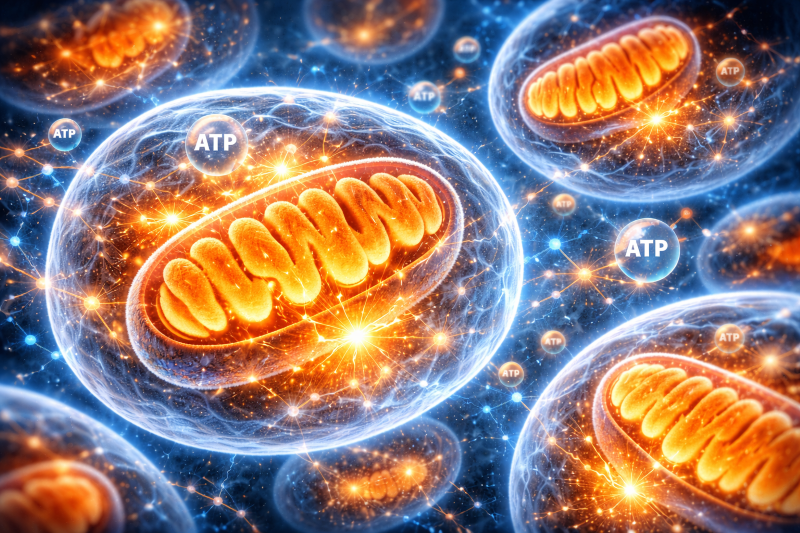

Your mitochondria serve as the metabolic control centers of your cells. They take nutrients from food and oxygen from breathing to create ATP, the energy currency that powers every bodily function. From your heartbeat to muscle contractions to brain activity, everything depends on adequate ATP production.
Research from Harvard scientists studying over 1,700 participants identified a striking pattern: individuals struggling with excess weight consistently showed lower mitochondrial levels, while those maintaining healthy body composition had significantly higher mitochondrial density. This groundbreaking finding suggests that enhancing mitochondrial function could be the missing piece in many weight loss journeys.
When mitochondrial numbers decline or their function becomes impaired, several metabolic problems emerge. Your cells produce less energy, causing fatigue and reducing your motivation to exercise. Your metabolic rate decreases, meaning you burn fewer calories at rest. Most importantly, your body becomes less efficient at converting stored fat into usable energy, leading to stubborn fat accumulation.
Enhancing mitochondrial biogenesis through targeted nutrients, proper lifestyle habits, and metabolic support allows cells to produce more ATP while efficiently oxidizing stored fat, thereby increasing caloric expenditure and promoting sustainable weight loss.
Ready to optimize your cellular metabolism? Explore evidence-based strategies for mitochondrial health through our comprehensive resource library on metabolic wellness and fat-burning nutrition.
The Role of Mitochondrial Biogenesis in Weight Management
Mitochondrial biogenesis refers to the process by which your body creates new mitochondria within existing cells. This process is crucial for maintaining metabolic health and supporting efficient fat oxidation.
Studies on mitochondrial function in adipose tissue demonstrate that impaired mitochondrial biogenesis contributes significantly to obesity development. When your body cannot generate sufficient mitochondria, energy production slows, and fat storage increases. Conversely, research shows that individuals who maintain persistently low body weight exhibit higher mitochondrial activity in their white adipose tissue, the primary fat storage cells.
The relationship between mitochondrial DNA copy number and body composition has been extensively documented. Studies indicate that mitochondrial DNA copy number in peripheral blood correlates inversely with visceral fat accumulation, suggesting that people with more mitochondria tend to store less dangerous belly fat.
Several factors can impair mitochondrial biogenesis and function:
Key Nutrients That Support Mitochondrial Function
Certain plant-based compounds have demonstrated remarkable abilities to stimulate mitochondrial biogenesis and enhance cellular energy production. These nutrients work through various mechanisms to support your metabolism.
Anthocyanins from Maqui Berry
Anthocyanins are powerful antioxidants that give certain fruits their deep purple color. Research published in Biochemical Pharmacology demonstrates that anthocyanins and their metabolites promote white adipose tissue « beiging » by regulating mitochondrial thermogenesis and dynamics. This means these compounds help convert regular fat-storing cells into cells that burn calories as heat.
Additional research confirms that anthocyanins enhance glucose transport into cells and improve mitochondrial function, particularly beneficial for individuals managing obesity and metabolic concerns. These purple pigments protect mitochondrial membranes from oxidative damage while simultaneously stimulating the production of new mitochondria.
Rosavin and Salidroside from Rhodiola
Rhodiola rosea, an adaptogenic plant, contains over 140 beneficial polyphenols, including rosavin and salidroside. Scientific evidence published in Oxidative Medicine and Cellular Longevity reveals that salidroside delays cellular aging by stimulating mitochondrial biogenesis, partly through a miR-22/SIRT-1 pathway.
Studies in skeletal muscle tissue show that Rhodiola extracts increase ATP content in mitochondria, directly enhancing cellular energy production. This boost in ATP availability translates to improved physical energy, better exercise performance, and enhanced fat metabolism during both activity and rest periods.
Astaxanthin from Haematococcus Algae
Astaxanthin, a potent red antioxidant derived from special algae, has garnered significant scientific attention for its metabolic benefits. Research in the Journal of Cachexia, Sarcopenia and Muscle demonstrates that astaxanthin stimulates mitochondrial biogenesis in insulin-resistant muscle through activation of the AMPK pathway, a master metabolic regulator.
Further studies establish astaxanthin as a novel mitochondrial regulator, going beyond traditional antioxidant functions. This compound protects mitochondrial membranes, enhances respiratory chain function, and promotes the generation of new energy-producing mitochondria throughout the body.
Flavonoids from Amla Fruit
Amla (Indian gooseberry) contains a rich array of flavonoids and antioxidants that support cellular metabolism. Research published in Oxidative Medicine and Cellular Longevity shows that amla enhances mitochondrial spare respiratory capacity by increasing both mitochondrial biogenesis and antioxidant systems in skeletal muscle cells.
This « spare respiratory capacity » represents your cells’ ability to respond to increased energy demands, crucial for sustained fat burning during physical activity and metabolic stress. Additional research confirms amla’s anti-obesity activity through multiple metabolic pathways.
Epicatechin from Theobroma Cacao
Dark cacao contains epicatechin, a natural flavonoid with profound effects on mitochondrial health. Clinical research in Clinical and Translational Science examining patients with type 2 diabetes and heart failure found that epicatechin-rich cocoa significantly altered indicators of mitochondrial structure and biogenesis in skeletal muscle.
Comprehensive reviews in Nutrition Reviews detail epicatechin’s multifaceted effects on mitochondria, including enhanced oxidative capacity, improved mitochondrial coupling efficiency, and increased mitochondrial protein synthesis. These benefits translate to better fat oxidation and improved metabolic flexibility.
Lignans from Schisandra Berries
Schisandra chinensis produces powerful red berries containing numerous bioactive compounds. Studies in Naunyn-Schmiedeberg’s Archives of Pharmacology demonstrate that schisandrin C, a key component, enhances mitochondrial biogenesis and autophagy (cellular cleanup) in skeletal muscle cells, potentially through anti-oxidative mechanisms.
Research in Antioxidants confirms that Schisandra constituents provide robust antioxidant protection, safeguarding mitochondria from damage while supporting their proliferation and function. This dual action of protection and enhancement makes Schisandra particularly valuable for long-term metabolic health.
Lifestyle Strategies to Boost Mitochondrial Function
Beyond targeted nutrition, several lifestyle interventions can significantly enhance mitochondrial density and function.
High-Intensity Interval Training (HIIT) creates metabolic demands that signal your cells to generate more mitochondria. Short bursts of intense activity followed by recovery periods trigger powerful adaptive responses.
Resistance training builds muscle tissue, which naturally contains high mitochondrial density. More muscle mass means more mitochondria working to burn calories throughout the day.
Cold exposure activates brown adipose tissue (brown fat) which contains exceptionally high mitochondrial concentrations. These mitochondria generate heat by burning regular white fat stores.
Intermittent fasting periods allow cellular cleanup processes called autophagy to remove damaged mitochondria and stimulate biogenesis of fresh, efficient ones.
Quality sleep provides the recovery window necessary for mitochondrial repair and regeneration. Sleep deprivation impairs mitochondrial function and reduces energy production.
Stress management prevents chronic cortisol elevation, which can damage mitochondria and impair their biogenesis over time.
Understanding Individual Variations in Mitochondrial Response
Not everyone responds identically to mitochondrial support strategies. Several factors influence individual results.
Age plays a significant role, as mitochondrial function naturally declines with time. Older adults may need more comprehensive support to achieve the same results as younger individuals.
Baseline metabolic health matters considerably. Those with insulin resistance, metabolic syndrome, or pre-diabetes may experience more dramatic improvements when mitochondrial function normalizes.
Genetic variations affect how efficiently individuals produce and maintain mitochondria. Some people naturally have higher mitochondrial density, while others must work harder to achieve optimal levels.
Environmental factors including pollution exposure, chemical toxins, and electromagnetic fields can impair mitochondrial function, requiring additional protective support.
Medication use, particularly certain statins, beta-blockers, and diabetes medications, may interfere with mitochondrial function, necessitating extra nutritional support.
Common Mistakes That Impair Mitochondrial Health
Many well-intentioned health practices can inadvertently harm mitochondrial function.
Extreme caloric restriction signals your body that food is scarce, triggering metabolic slowdown and reduced mitochondrial biogenesis. While moderate calorie deficits support fat loss, severe restriction backfires.
Excessive endurance exercise without adequate recovery can overwhelm mitochondria with oxidative stress, causing damage that outpaces repair mechanisms.
Inadequate protein intake deprives your body of amino acids needed to build mitochondrial proteins and enzymes essential for energy production.
Chronic inflammation from poor diet, lack of sleep, or unmanaged stress creates an internal environment hostile to mitochondrial health and biogenesis.
Overreliance on stimulants like excessive caffeine can temporarily boost energy while masking underlying mitochondrial dysfunction, preventing necessary interventions.
Ignoring micronutrient deficiencies in B vitamins, magnesium, CoQ10, and other cofactors limits mitochondrial enzyme function regardless of other optimization efforts.
Combining Approaches for Maximum Results
The most effective strategy for increasing cellular energy to burn fat involves a comprehensive approach combining multiple interventions.
Start with foundational lifestyle modifications: prioritize 7-9 hours of quality sleep, manage stress through meditation or breathing exercises, and engage in regular movement including both cardio and resistance training.
Layer in targeted nutritional support with foods and supplements rich in mitochondrial-supporting compounds like anthocyanins, adaptogens, and flavonoids.
Consider metabolic testing to establish your baseline mitochondrial function and track improvements over time. Indirect calorimetry and body composition analysis provide objective data to guide your approach.
Be patient with the process, as genuine mitochondrial biogenesis occurs over weeks and months, not days. Consistency matters more than perfection.
Monitor both objective markers (weight, body composition, energy levels) and subjective experiences (mood, sleep quality, exercise recovery) to gauge your progress comprehensively.
Timeline and Expectations for Mitochondrial Enhancement
Understanding realistic timelines helps maintain motivation and prevents premature abandonment of effective strategies.
During weeks 1-2, most people notice improved energy levels and sleep quality as initial cellular adaptations begin. Actual fat loss may be minimal but metabolic improvements are underway.
By weeks 3-6, mitochondrial biogenesis accelerates, leading to increased daily energy expenditure. Many individuals report easier workouts, better recovery, and the first visible changes in body composition.
Months 3-6 represent the optimization phase where substantial mitochondrial remodeling has occurred. Fat loss becomes more consistent, metabolic rate increases measurably, and body composition improves significantly.
Beyond 6 months, the benefits compound as newly generated mitochondria mature and optimize their function. Long-term metabolic health improvements become evident, including better insulin sensitivity and more efficient fat metabolism.
Individual timelines vary based on starting point, consistency of implementation, and genetic factors. Those with severely compromised metabolic health may need longer to see dramatic results, while metabolically healthy individuals seeking optimization might notice benefits more quickly.
Conclusion: Empowering Your Cellular Metabolism
Increasing cellular energy to burn fat represents a paradigm shift from traditional weight loss approaches. Rather than simply cutting calories or exercising more intensely, this strategy addresses the fundamental cellular machinery responsible for metabolism.
The scientific evidence clearly demonstrates that supporting mitochondrial health through targeted nutrients, lifestyle modifications, and metabolic optimization creates sustainable fat loss. Unlike restrictive diets or excessive exercise that can backfire, enhancing mitochondrial function works with your body’s natural processes.
Key nutrients like anthocyanins from maqui berry, salidroside from rhodiola, astaxanthin from algae, flavonoids from amla, epicatechin from cacao, and lignans from schisandra all support mitochondrial biogenesis through complementary mechanisms. When combined with smart lifestyle practices including proper sleep, stress management, and strategic exercise, these interventions create a powerful synergy.
Success requires patience and consistency. Mitochondrial remodeling happens gradually, but the results are worth the investment. Improved energy levels, enhanced fat burning, better metabolic health, and sustainable weight management all flow from optimized mitochondrial function.
Whether you’re beginning your journey or seeking to break through a stubborn plateau, focusing on cellular energy production offers a science-based pathway to lasting results. Your mitochondria are waiting to be activated.
Ready to Supercharge Your Metabolism?
Discover how thousands of people are transforming their bodies by supporting their cellular energy production. Experience the difference that optimized cellular metabolism can make in your weight loss journey.

Scientific References Summary
| Study Focus | Key Finding | Publication | Reference Link |
|---|---|---|---|
| Mitochondrial DNA and Obesity | Lower mitochondrial levels associated with overweight individuals | Leukocyte Mitochondrial DNA Study | PubMed 27367031 |
| Mitochondrial Biogenesis in Fat Tissue | Impaired biogenesis contributes to obesity | Study on Adipose Tissue | PubMed 25972572 |
| Body Weight and Mitochondria | Higher mitochondrial activity in lean individuals | White Adipose Tissue Study | PubMed 31374571 |
| Visceral Fat and Mitochondrial DNA | Inverse correlation between mtDNA and belly fat | Peripheral Blood Study | PubMed 24707289 |
| Anthocyanins and Fat Browning | Promotes mitochondrial thermogenesis | Biochemical Pharmacology 2024 | DOI: 10.1016/j.bcp.2024.116069 |
| Anthocyanins in Obesity/Diabetes | Enhances glucose transport and mitochondrial function | Cells 2020 | DOI: 10.3390/cells9112515 |
| Salidroside and Cellular Aging | Delays senescence via mitochondrial biogenesis | Oxid Med Cell Longev 2019 | DOI: 10.1155/2019/5276096 |
| Rhodiola and ATP Production | Increases ATP in skeletal muscle mitochondria | Bull Exp Biol Med 2003 | DOI: 10.1023/b:bebm.0000020211.24779.15 |
| Astaxanthin and Insulin Resistance | Stimulates mitochondrial biogenesis via AMPK | J Cachexia Sarcopenia Muscle 2020 | DOI: 10.1002/jcsm.12530 |
| Astaxanthin as Mitochondrial Regulator | Novel carotenoid effects beyond antioxidants | Nutrients 2021 | DOI: 10.3390/nu14010107 |
| Amla and Respiratory Capacity | Enhances mitochondrial spare capacity | Oxid Med Cell Longev 2016 | DOI: 10.1155/2016/1735841 |
| Amla Anti-Obesity Activity | Multiple metabolic pathway benefits | J Complement Integr Med 2017 | DOI: 10.1515/jcim-2016-0051 |
| Epicatechin in Diabetes Patients | Alters mitochondrial structure indicators | Clin Transl Sci 2012 | DOI: 10.1111/j.1752-8062.2011.00357.x |
| Epicatechin Effects on Mitochondria | Comprehensive mitochondrial benefits | Nutr Rev 2021 | DOI: 10.1093/nutrit/nuaa094 |
| Schisandrin C and Muscle Cells | Enhances biogenesis and autophagy | Naunyn Schmiedebergs Arch Pharmacol 2018 | DOI: 10.1007/s00210-017-1449-1 |
| Schisandra Antioxidant Effects | Protects mitochondria from oxidative damage | Antioxidants 2021 | DOI: 10.3390/antiox10040620 |
Medical Disclaimer
The information provided in this article is for educational purposes only and should not be considered medical advice. I am not a doctor, physician, or licensed healthcare provider. The content presented here is based on published scientific research and is intended to inform readers about cellular metabolism and mitochondrial function.
Before making any changes to your diet, exercise routine, or supplement regimen, please consult with a qualified healthcare professional. This is especially important if you have pre-existing medical conditions, take prescription medications, are pregnant or nursing, or have concerns about your metabolic health.
Individual results may vary significantly based on numerous factors including age, genetics, current health status, lifestyle factors, and consistency of implementation. The scientific studies referenced in this article represent research findings and do not guarantee specific outcomes for any individual.
Always seek the guidance of your doctor or other qualified health provider with any questions you may have regarding a medical condition or health objectives. Never disregard professional medical advice or delay in seeking it because of information you have read in this article.