
Why Your Metabolism Might Be Slower Than You Think
Have you ever wondered why some people seem to effortlessly maintain a healthy weight while others struggle with stubborn belly fat despite their best efforts? The answer may lie deep within your cells, in microscopic structures called mitochondria. Recent scientific discoveries have revealed a fascinating connection between these cellular powerhouses and your body’s ability to burn fat, particularly in the abdominal region.
This breakthrough research, conducted by scientists at Harvard and other leading institutions, has uncovered that the link between mitochondrial function and belly fat is far stronger than previously understood. If you’ve been battling persistent weight gain, low energy levels, or difficulty losing fat around your midsection, understanding this connection could be the missing piece of your wellness puzzle.
In this comprehensive guide, you’ll discover exactly how mitochondria influence your metabolism, why their decline leads to stubborn fat accumulation, and what science reveals about supporting these vital cellular engines. You’ll learn about the groundbreaking research connecting mitochondrial health to weight management, explore the mechanisms behind fat storage and burning, and understand practical implications for your own health journey. Whether you’re seeking to understand your metabolism better or looking for science-backed insights into weight management, this article provides the complete picture you need.
Understanding Mitochondria: Your Cells’ Energy Factories
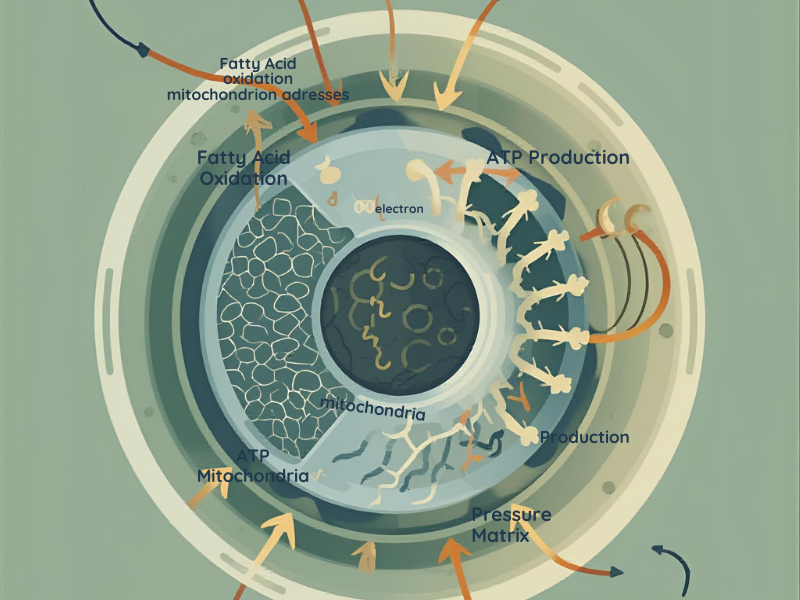
Before we explore the direct connection to belly fat, let’s establish what mitochondria actually do. These remarkable organelles exist in nearly every cell of your body, functioning as biological power plants. They take nutrients from the food you eat and oxygen you breathe, converting them into adenosine triphosphate (ATP)—the energy currency your body uses for everything from muscle contraction to brain function.
Research published in studies examining over 1,700 participants revealed a striking pattern: individuals carrying excess weight, particularly around the abdomen, consistently showed lower mitochondrial levels compared to their leaner counterparts. This wasn’t a coincidence or a minor correlation; it represented a fundamental relationship between cellular energy production and fat metabolism.
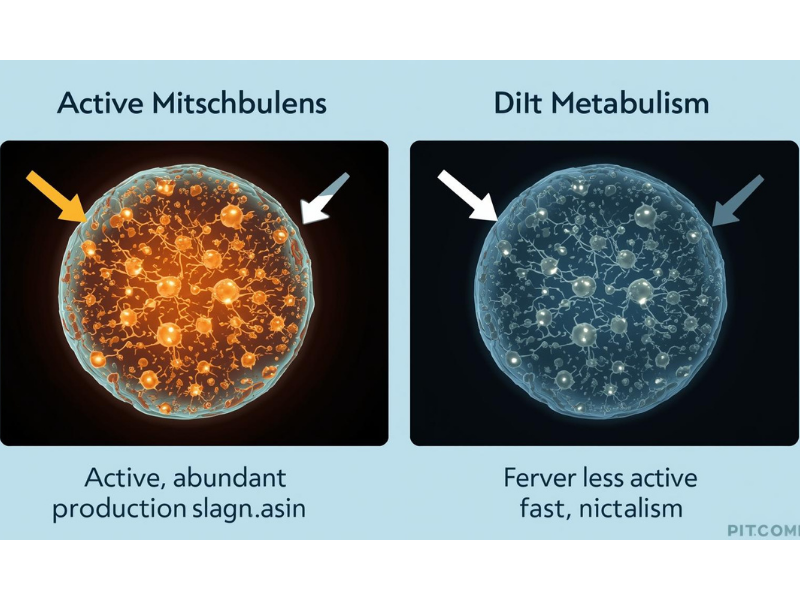
The science is clear. Mitochondria don’t just produce energy from food—they also burn stored body fat to generate ATP. This dual function makes them critical players in weight management. When mitochondrial function declines or when you have fewer mitochondria per cell, your body’s ability to convert stored fat into usable energy diminishes significantly.
The link between mitochondrial function and belly fat refers to the relationship between cellular mitochondrial density and activity levels and the body’s capacity to oxidize adipose tissue, particularly visceral fat deposits. Higher mitochondrial biogenesis and efficiency correlate with enhanced fat metabolism and reduced abdominal adiposity.
Want to understand more about optimizing your cellular metabolism? Research continues to unveil the intricate mechanisms behind how our bodies manage energy and fat storage. Staying informed about these scientific developments can help you make better decisions about your health and wellness strategies.
How Mitochondrial Decline Triggers Belly Fat Accumulation
The connection between impaired mitochondrial function and abdominal obesity operates through several interconnected pathways. Understanding these mechanisms helps explain why addressing mitochondrial health could be crucial for managing stubborn belly fat.
First, consider mitochondrial biogenesis, the process by which your cells create new mitochondria. Research published in diabetes and metabolism journals has demonstrated that obesity is associated with impaired mitochondrial biogenesis in adipose tissue. When your body cannot produce adequate numbers of these cellular engines, your capacity to burn calories decreases substantially.
A groundbreaking study examining mitochondrial DNA copy number in peripheral blood found that this marker was independently associated with visceral fat accumulation. Visceral fat, the dangerous type that accumulates around your organs, poses greater health risks than subcutaneous fat found just beneath the skin. The research revealed that lower mitochondrial DNA copy numbers correlated directly with higher amounts of this problematic belly fat.
Key Mechanisms Connecting Mitochondria to Abdominal Fat
The Role of White Adipose Tissue and Mitochondrial Activity
Not all fat tissue behaves identically. White adipose tissue (WAT), the predominant type of fat in humans, serves primarily as energy storage. However, research has shown that mitochondrial activity within white adipose tissue plays a crucial role in overall metabolic health.
A fascinating study published in the American Journal of Clinical Nutrition examined individuals with persistent low body weight. Researchers discovered these naturally lean individuals possessed significantly higher mitochondrial activity in their white adipose tissue compared to those prone to weight gain. This finding suggests that the metabolic activity of fat cells themselves, driven by mitochondrial function, influences whether your body tends to store or burn fat.
The implications are profound. Your fat tissue isn’t simply passive storage; it’s metabolically active. Fat cells with robust mitochondrial function actively participate in energy expenditure, helping to prevent excessive accumulation. Conversely, when mitochondrial function in adipose tissue declines, those same cells become more efficient at storing fat and less capable of releasing it for energy use.
Mitochondrial DNA and Its Relationship to Body Composition
Another critical aspect of the link between mitochondrial function and belly fat involves mitochondrial DNA (mtDNA). Unlike most of your genetic material housed in the cell nucleus, mitochondria contain their own DNA—a remnant of their evolutionary origin as independent bacteria that formed symbiotic relationships with early cells.
Research examining leukocyte mitochondrial DNA copy number in women has provided valuable insights. This landmark study, which evaluated anthropometric indices and weight change patterns, found that variations in mtDNA copy number correlated with changes in body composition and weight management success over time.
Lower mtDNA copy numbers indicated fewer mitochondria per cell or less robust mitochondrial function. Women with lower mtDNA counts showed greater difficulty maintaining healthy weight and more pronounced abdominal fat accumulation. This genetic marker serves as a biological predictor of metabolic efficiency and fat-burning capacity.
The research suggests that supporting mitochondrial health and potentially increasing mitochondrial biogenesis could help reverse these patterns. When cells generate new mitochondria with intact DNA, metabolic capacity improves, potentially enhancing fat oxidation and reducing stubborn abdominal adiposity.
Supporting Mitochondrial Biogenesis Through Natural Compounds
Given the clear connection between mitochondrial function and fat metabolism, researchers have investigated various natural compounds that may support mitochondrial health and biogenesis. Several plant-derived nutrients have shown promise in scientific studies.
Anthocyanins and Mitochondrial Thermogenesis
Anthocyanins are powerful antioxidants responsible for the deep purple and red colors in certain fruits. Research has demonstrated that anthocyanins and their metabolites can promote white adipose tissue « beiging », a process that increases mitochondrial density and thermogenic capacity in fat cells. This transformation enhances the tissue’s ability to burn calories as heat rather than storing them as fat.
Studies have also shown that anthocyanins play an essential role in regulating glucose metabolism, which directly impacts how efficiently your body uses nutrients versus storing them as fat. Improved glucose handling reduces insulin spikes that typically promote fat storage, particularly in the abdominal region.
Adaptogens and Mitochondrial Dynamics
Certain adaptogenic herbs contain compounds that influence mitochondrial function. Research on rhodiola and its active component salidroside has revealed that this compound can delay cellular senescence by stimulating mitochondrial biogenesis. The study identified a specific pathway involving cellular signaling that promotes the creation of new mitochondria.
Additionally, rhodiola extracts have been shown to increase ATP content in skeletal muscle mitochondria. This enhanced energy production capacity supports both physical performance and basal metabolic rate—the calories you burn simply maintaining basic bodily functions.
Carotenoids and Mitochondrial Regulation
Astaxanthin, a red carotenoid found in certain algae, has emerged as a potent mitochondrial regulator. Research published in cachexia and muscle journals demonstrated that astaxanthin stimulates mitochondrial biogenesis in insulin-resistant muscle tissue through activation of specific metabolic pathways.
This compound represents a novel approach beyond traditional antioxidants. Rather than simply neutralizing free radicals, astaxanthin actively promotes the creation of new mitochondria and enhances their function, potentially improving the body’s capacity to burn fat for fuel.
Flavonoids and Mitochondrial Enhancement
Several plant flavonoids have shown remarkable effects on mitochondrial health. Amla (Indian gooseberry) has been demonstrated to enhance mitochondrial spare respiratory capacity—essentially the reserve energy production capacity your cells can tap into when needed. This occurs through increased mitochondrial biogenesis and strengthened antioxidant systems.
Epicatechin, a flavonoid found in cacao, has shown particular promise. Clinical research involving patients with type 2 diabetes and heart failure revealed that epicatechin-rich cocoa altered skeletal muscle indicators of mitochondrial structure and biogenesis. These changes suggest improved metabolic efficiency at the cellular level.
Studies on schisandra berries have also demonstrated enhanced mitochondrial biogenesis and autophagy—the process by which cells clean out damaged components, including malfunctioning mitochondria. This cellular housekeeping ensures that existing mitochondria function optimally while new, healthy ones replace damaged units.
The Visceral Fat Connection: Why Belly Fat Is Different
Not all excess weight presents the same health risks. Visceral fat, the adipose tissue surrounding internal organs in the abdominal cavity, poses significantly greater metabolic dangers than subcutaneous fat found elsewhere on the body.
Research specifically examining mitochondrial DNA copy number in peripheral blood found an independent association with visceral fat accumulation in healthy young adults. This relationship persisted even after accounting for other factors like diet, exercise, and overall body mass index.
Why does visceral fat behave differently? This metabolically active tissue releases inflammatory compounds and free fatty acids directly into the portal circulation, which flows to the liver. This constant influx of inflammatory signals and fats contributes to insulin resistance, fatty liver disease, and cardiovascular risk.
Mitochondrial dysfunction appears particularly pronounced in visceral adipose tissue. When these deep abdominal fat cells lack adequate mitochondrial function, they become even more efficient at storing fat while simultaneously releasing harmful metabolic byproducts. Supporting mitochondrial health throughout the body, but especially in adipose tissue, represents a potential strategy for reducing this dangerous fat accumulation.
Age, Mitochondria, and Metabolic Decline
One cannot discuss mitochondrial function without addressing age-related changes. As we grow older, mitochondrial number and function naturally decline through a process called mitophagy and reduced biogenesis. This age-related mitochondrial dysfunction partially explains why many people find weight management increasingly difficult with each passing decade.
Research has shown that acquired obesity—weight gain that develops over time rather than genetic predisposition—is closely linked with impaired mitochondrial biogenesis in adipose tissue. The study revealed that the ability to generate new mitochondria decreases as obesity develops and persists, creating a vicious cycle where mitochondrial decline promotes fat gain, which further impairs mitochondrial function.
This doesn’t mean age-related metabolic decline is inevitable. Evidence suggests that interventions supporting mitochondrial health may help counteract some of these changes. Lifestyle factors including exercise, certain dietary patterns, and specific nutrients have shown potential for maintaining or even improving mitochondrial function regardless of age.
Insulin Sensitivity and Mitochondrial Function
The relationship between mitochondria, belly fat, and insulin sensitivity forms a critical metabolic triangle. Insulin resistance, when cells don’t respond properly to insulin signals, is both a cause and consequence of impaired mitochondrial function.
When muscle cells contain fewer or poorly functioning mitochondria, they have reduced capacity to take up and burn glucose for energy. This forces the body to produce more insulin to achieve the same glucose-clearing effect. Chronically elevated insulin levels promote fat storage, particularly in the abdominal region.
Conversely, visceral fat accumulation releases fatty acids and inflammatory molecules that further impair insulin signaling and mitochondrial function. This creates a destructive feedback loop: mitochondrial dysfunction leads to insulin resistance, which promotes belly fat accumulation, which worsens both insulin resistance and mitochondrial impairment.
Breaking this cycle requires addressing mitochondrial health directly. Research has shown that improving mitochondrial biogenesis and function can enhance insulin sensitivity, reduce fat accumulation, and improve overall metabolic health.
The Broader Implications for Metabolic Health
Understanding the link between mitochondrial function and belly fat extends beyond simple weight management. This connection influences virtually every aspect of metabolic health, from cardiovascular function to cognitive performance.
Healthy mitochondria support stable blood sugar levels, reducing the dramatic spikes and crashes that drive hunger and fat storage. They enable efficient energy production, which translates to sustained physical and mental energy throughout the day. Robust mitochondrial function also supports cardiovascular health by ensuring heart muscle cells have adequate energy for the millions of contractions they perform daily.
The anti-inflammatory effects of healthy mitochondrial function shouldn’t be overlooked either. When mitochondria operate efficiently, they produce fewer reactive oxygen species (free radicals) that damage cells and trigger inflammatory responses. Chronic low-grade inflammation is closely linked with obesity, insulin resistance, and cardiovascular disease.
Comprehensive Benefits of Optimal Mitochondrial Function:
Practical Implications and Future Directions
The scientific evidence clearly establishes that mitochondrial health plays a central role in fat metabolism and weight management. This knowledge shifts the conversation from simple calorie counting to understanding cellular metabolism at a deeper level.
For individuals struggling with stubborn belly fat despite diet and exercise efforts, mitochondrial dysfunction may be an underlying factor. Rather than solely focusing on eating less and moving more, supporting the cellular machinery responsible for burning fat becomes equally important.
Research continues to uncover new aspects of mitochondrial biology and its relationship to metabolism. Scientists are exploring how different nutrients, exercise protocols, sleep patterns, and stress management techniques influence mitochondrial function. As this field develops, we gain more tools for supporting these cellular powerhouses.
The studies referenced throughout this article, from Harvard research on mitochondrial DNA to investigations of specific plant compounds, paint a consistent picture: mitochondrial health is fundamental to metabolic health. Higher mitochondrial density and better mitochondrial function correlate with leaner body composition, particularly reduced abdominal adiposity.
Bringing It All Together: Your Cellular Metabolism Matters
The link between mitochondrial function and belly fat represents one of the most significant metabolic discoveries of recent years. These microscopic cellular structures don’t merely produce energy, they actively determine whether your body burns fat or stores it, particularly in the dangerous visceral abdominal area.
Research involving thousands of participants has consistently shown that individuals with higher mitochondrial levels and better mitochondrial function maintain healthier weights and carry less belly fat. The mechanisms behind this connection involve fatty acid oxidation, thermogenesis, insulin sensitivity, and cellular signaling pathways that regulate metabolism at the most fundamental level.
Scientific studies have identified several natural compounds that support mitochondrial biogenesis and function. From anthocyanins that promote fat tissue transformation to adaptogenic herbs that stimulate new mitochondria creation, to carotenoids and flavonoids that enhance mitochondrial efficiency, nature provides tools that may help support these vital cellular engines.
As we age or develop metabolic dysfunction, mitochondrial health naturally declines. This creates a challenging cycle where reduced mitochondrial function promotes fat gain, which further impairs mitochondrial health. However, this cycle isn’t irreversible. Evidence suggests that targeted support for mitochondrial function may help break this pattern, potentially restoring healthier metabolic function and facilitating fat loss, especially from the abdominal region.
Understanding your metabolism at the mitochondrial level empowers you to make more informed choices. Rather than viewing stubborn belly fat as a simple matter of willpower or calorie balance, you can recognize it as a potential sign of underlying cellular metabolic challenges that may respond to science-based interventions.
The convergence of research on mitochondrial biology, obesity, and metabolic disease has opened new pathways for addressing weight management challenges. By supporting the cellular machinery responsible for burning fat, we may be able to work with our bodies’ natural systems rather than against them, leading to more sustainable and effective results.
Ready to explore how you can support your mitochondrial health and unlock your body’s natural fat-burning potential? Discover a scientifically-formulated approach designed to promote healthy mitochondrial function at the cellular level.

Scientific References Summary
| Study Focus | Key Finding | Reference |
|---|---|---|
| Mitochondrial DNA and anthropometric indices | Lower mtDNA copy number associated with higher body weight and fat accumulation in women | Kim JY, et al. Leukocyte mitochondrial DNA copy number, anthropometric indices, and weight change in US women. Obesity (Silver Spring). 2016 Jul;24(7):1598-604. https://pubmed.ncbi.nlm.nih.gov/27367031/ |
| Mitochondrial biogenesis in obesity | Acquired obesity linked with impaired mitochondrial biogenesis in adipose tissue | Kaaman M, et al. Impaired Mitochondrial Biogenesis in Adipose Tissue in Acquired Obesity. Diabetes. 2015 Sep;64(9):3135-45. https://pubmed.ncbi.nlm.nih.gov/25972572/ |
| Mitochondrial activity and body weight | Persistent low body weight associated with higher mitochondrial activity in white adipose tissue | Heinonen S, et al. Persistent low body weight in humans is associated with higher mitochondrial activity in white adipose tissue. Am J Clin Nutr. 2019 Oct;110(4):917-925. https://pubmed.ncbi.nlm.nih.gov/31374571/ |
| Mitochondrial DNA and visceral fat | mtDNA copy number independently associated with visceral fat accumulation in young adults | Huang CH, et al. Mitochondrial DNA copy number in peripheral blood is independently associated with visceral fat accumulation in healthy young adults. Br J Nutr. 2014 Jul;112(1):1-7. https://pubmed.ncbi.nlm.nih.gov/24707289/ |
| Anthocyanins and white adipose tissue | Anthocyanins promote white adipose tissue beiging by regulating mitochondrial thermogenesis and dynamics | Cremonini E, et al. Biochem Pharmacol. 2024;222:116069. https://doi.org/10.1016/j.bcp.2024.116069 |
| Anthocyanins and glucose metabolism | Anthocyanins regulate glucose transporters, essential for obesity and diabetes management | Solverson P. Cells. 2020 Nov 20;9(11):2515. https://doi.org/10.3390/cells9112515 |
| Salidroside and mitochondrial biogenesis | Salidroside delays cellular senescence by stimulating mitochondrial biogenesis | Mao GX, et al. Oxid Med Cell Longev. 2019 Sep 12;2019:5276096. https://doi.org/10.1155/2019/5276096 |
| Rhodiola and ATP production | Rhodiola extracts increase ATP content in skeletal muscle mitochondria | Abidov M, et al. Bull Exp Biol Med. 2003;136(6):585-587. https://doi.org/10.1023/b:bebm.0000020211.24779.15 |
| Astaxanthin and mitochondrial biogenesis | Astaxanthin stimulates mitochondrial biogenesis in insulin-resistant muscle via AMPK pathway | Nishida Y, et al. J Cachexia Sarcopenia Muscle. 2020;11(1):241-258. https://doi.org/10.1002/jcsm.12530 |
| Astaxanthin as mitochondrial regulator | Astaxanthin acts as novel mitochondrial regulator beyond traditional antioxidants | Nishida Y, et al. Nutrients. 2021 Dec 27;14(1):107. https://doi.org/10.3390/nu14010107 |
| Amla and mitochondrial capacity | Amla enhances mitochondrial spare respiratory capacity through biogenesis and antioxidant systems | Yamamoto H, et al. Oxid Med Cell Longev. 2016;2016:1735841. https://doi.org/10.1155/2016/1735841 |
| Amla anti-obesity activity | Emblica officinalis demonstrates anti-obesity properties | Nazish I, Ansari SH. J Complement Integr Med. 2017 Dec 5;15(2). https://doi.org/10.1515/jcim-2016-0051 |
| Epicatechin and mitochondrial structure | Epicatechin-rich cocoa alters skeletal muscle mitochondrial structure and biogenesis in diabetes patients | Taub PR, et al. Clin Transl Sci. 2012;5(1):43-47. https://doi.org/10.1111/j.1752-8062.2011.00357.x |
| Epicatechin effects on mitochondria | Comprehensive review of epicatechin’s effects on mitochondrial function | Daussin FN, et al. Nutr Rev. 2021;79(1):25-41. https://doi.org/10.1093/nutrit/nuaa094 |
| Schisandrin C and mitochondrial enhancement | Schisandrin C enhances mitochondrial biogenesis and autophagy in skeletal muscle cells | Kim JS, Yi HK. Naunyn Schmiedebergs Arch Pharmacol. 2018;391(2):197-206. https://doi.org/10.1007/s00210-017-1449-1 |
| Schisandra antioxidant effects | Schisandra fruits and constituents demonstrate antioxidant effects supporting mitochondrial health | Kopustinskiene DM, Bernatoniene J. Antioxidants (Basel). 2021 Apr 18;10(4):620. https://doi.org/10.3390/antiox10040620 |
Medical Disclaimer
Important Notice: The information provided in this article is for educational and informational purposes only and is not intended as medical advice. I am not a doctor, physician, or licensed healthcare professional. The content presented here should not be used to diagnose, treat, cure, or prevent any disease or medical condition.
The scientific studies referenced are presented to share current research findings and do not constitute personal medical recommendations. Individual results may vary, and what works for one person may not work for another.
Before making any changes to your diet, exercise routine, or health regimen, or if you have any medical conditions or concerns, please consult with a qualified healthcare provider. If you are pregnant, nursing, taking medications, or have a medical condition, it is especially important to seek professional medical advice before trying any new health interventions.
This article discusses scientific research on mitochondrial function and metabolism. While the studies cited are from peer-reviewed sources, readers should interpret this information as educational content rather than personalized health advice. Always rely on qualified medical professionals for guidance specific to your health situation.