Why Nutrient Ratios Matter in Smoothies for Fat Loss
Smoothies are often promoted as a convenient and healthy option for weight management. However, many people fail to achieve results because they overlook one critical factor: nutrient balance. A smoothie can either support fat loss or unintentionally slow it down, depending on how macronutrients are combined.
Understanding the optimal nutrient ratios in smoothies for maximum fat burning results is essential for anyone seeking sustainable weight management rather than short-term fixes. Fat loss is not driven by a single ingredient or so-called “superfood.” It is influenced by how protein, carbohydrates, fats, and fiber interact to regulate appetite, blood sugar levels, and metabolic efficiency.
Scientific research consistently shows that meals higher in protein and fiber promote satiety and reduce total caloric intake over time. Conversely, smoothies that are high in sugars and low in protein often lead to hunger shortly after consumption, increasing the likelihood of overeating later in the day.
This article explains how to structure smoothies using evidence-based nutritional principles. You will learn how to balance macronutrients to support fat oxidation, preserve lean mass, and maintain energy levels. The goal is not to promise rapid weight loss, but to provide a realistic, science-backed framework that helps your body work more efficiently.
By the end of this guide, you will understand why nutrient ratios matter, how to apply them in daily smoothie preparation, and how to avoid common formulation mistakes that undermine fat-burning efforts.
From Ingredients to Metabolic Impact
Many smoothie recipes focus on ingredients without addressing how those ingredients affect metabolism. Fat loss depends largely on hormonal responses, particularly insulin, ghrelin, and leptin, which regulate hunger and energy storage.
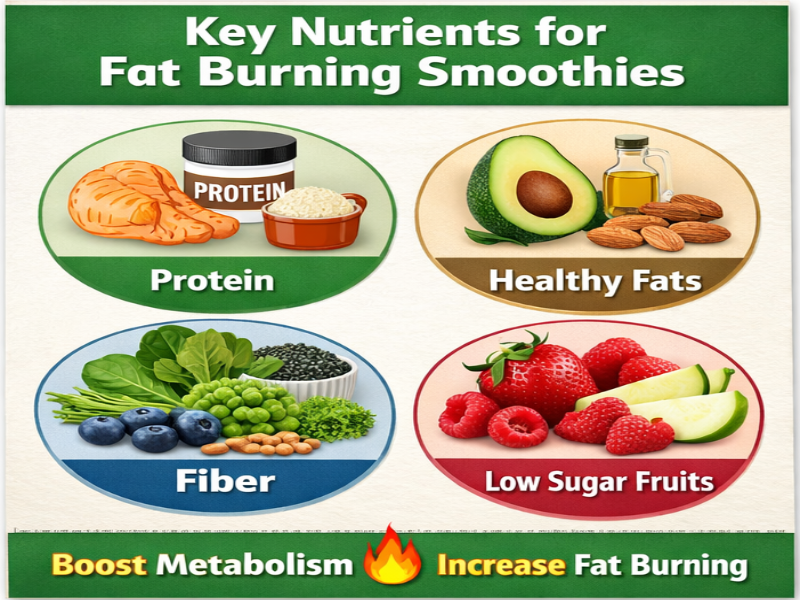
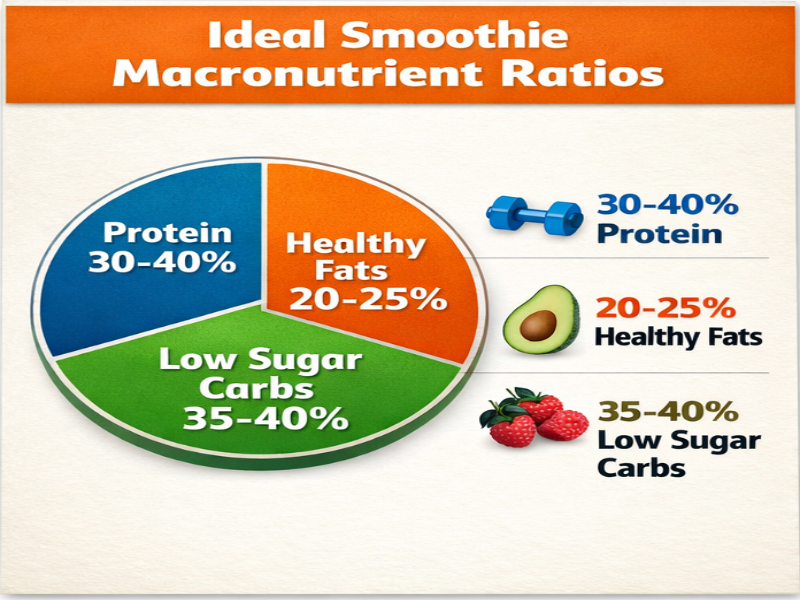
Protein plays a central role by increasing satiety and supporting muscle maintenance during caloric restriction. Research indicates that meals containing approximately 25 to 35 grams of protein improve fullness and reduce subsequent calorie intake. Fiber enhances this effect by slowing digestion and stabilizing blood glucose levels.
Carbohydrates are not inherently problematic, but their quality matters. Whole fruits and vegetables provide fiber and micronutrients, while fruit juices and added sweeteners raise glycemic load. Frequent glucose spikes can promote fat storage rather than fat utilization.
Healthy fats, when used in moderation, slow gastric emptying and support nutrient absorption. Their presence improves meal satisfaction without encouraging excessive calorie intake when properly controlled.
When these elements are combined in appropriate ratios, smoothies can function as structured meals that support fat loss instead of undermining it.
Optimal nutrient ratios in smoothies for maximum fat burning results refer to a macronutrient balance that prioritizes high-quality protein, fiber-rich low-glycemic carbohydrates, and moderate healthy fats. This composition supports satiety, stabilizes blood glucose, preserves lean mass, and promotes metabolic conditions favorable to sustainable fat loss.
To apply these principles accurately, consider using a free smoothie macro calculator or evidence-based meal planning guide that adapts nutrient ratios to your energy needs and activity level.
How Macronutrients Influence Fat Loss in Smoothies
Protein has the strongest association with appetite regulation. Higher protein intake increases diet-induced thermogenesis and reduces hunger hormones. This makes it easier to maintain a calorie deficit without conscious restriction.
Fiber complements protein by improving gut health and prolonging feelings of fullness. Soluble fiber, in particular, has been linked to reductions in body fat and waist circumference in clinical studies.
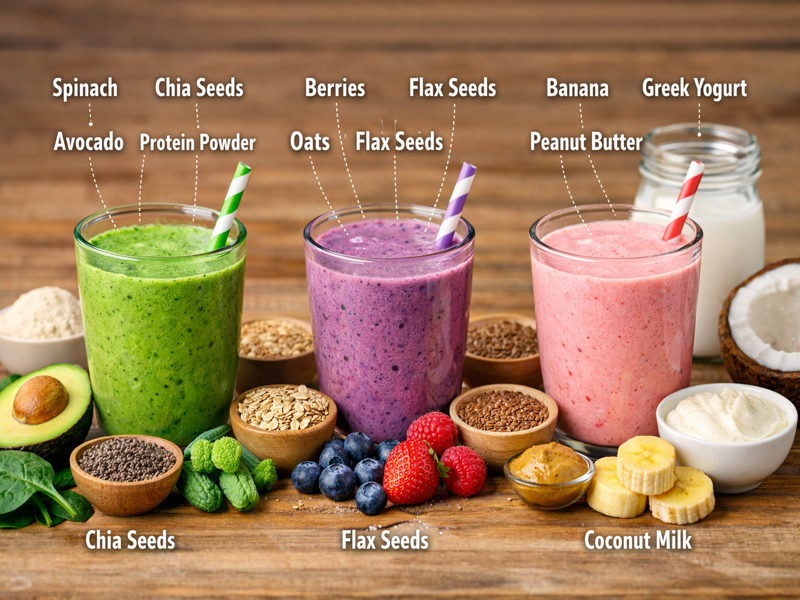
Carbohydrates should come primarily from low-glycemic sources. Berries, leafy greens, and seeds provide antioxidants and micronutrients without excessive sugar. This approach supports stable insulin levels and consistent energy.
Fats enhance satiety and improve the absorption of fat-soluble vitamins. Including small amounts of avocado, nuts, or seeds improves satisfaction and reduces the likelihood of snacking later.
Smoothies that respect these interactions function as metabolic stabilizers rather than calorie-dense beverages.
Practical Application: Building a Balanced Smoothie
A fat-loss-oriented smoothie should be treated as a meal, not a snack. Its structure should reflect nutritional intent rather than convenience.
Protein should be deliberately measured rather than added “by feel.” Carbohydrate sources should emphasize fiber density over sweetness. Fats should be included intentionally and sparingly.
Liquid bases such as water, unsweetened plant milk, or brewed green tea add hydration without unnecessary calories. Flavor can be enhanced with spices like cinnamon or ginger, which add sensory satisfaction without sugar.
This disciplined approach ensures consistency, which is a key determinant of long-term results.
Conclusion: A Structured Approach to Fat-Burning Smoothies
Fat loss does not depend on extremes or restrictive rules. It depends on consistency, nutritional quality, and metabolic alignment. Understanding optimal nutrient ratios in smoothies for maximum fat burning results allows you to transform smoothies into reliable tools rather than uncertain variables.
Balanced smoothies provide predictable satiety, reduce hunger-driven decision-making, and support lean mass preservation. Scientific evidence consistently supports higher protein and fiber intake as core components of effective weight-management strategies.
When smoothies are designed with intention and consumed as part of a balanced dietary pattern, they can simplify nutrition while supporting realistic fat-loss goals. The key is not perfection, but repeatable structure informed by science.
If you want to take these principles further and incorporate them into your daily routine, explore structured solutions to easily create balanced smoothies and support your fat loss goals.
Scientific References Summary Table
| Reference | Key Findings | Source |
|---|---|---|
| High-protein/fiber supplement and satiety effects | Protein and fiber improve satiety and may reduce overall energy intake. | Glynn et al., PMC study 2022 |
| Smoothie meal replacement meta-analysis | Properly formulated smoothies led to greater weight loss vs traditional calorie restriction. | SeekWeightLoss guide (meta-analysis) |
| Macronutrient distribution and weight management | Acceptable macronutrient ranges support balanced diets; focus on protein and fiber. | Dietary Guideline Reviews |
| High protein vs high fiber weight loss comparison | Moderately high protein diets resulted in greater fat loss and metabolic improvements. | Te Morenga et al., PMC |
| Satiety effects of smoothies vs whole foods | Smoothies can maintain fiber and support satiety similar to whole fruits. | Rogers & Shahrokni, Nutrients 2018 |
Medical Disclaimer
This article provides general nutritional information. I am not a doctor, and this content should not be interpreted as medical advice. Always consult a qualified healthcare professional before starting any diet or nutrition plan.