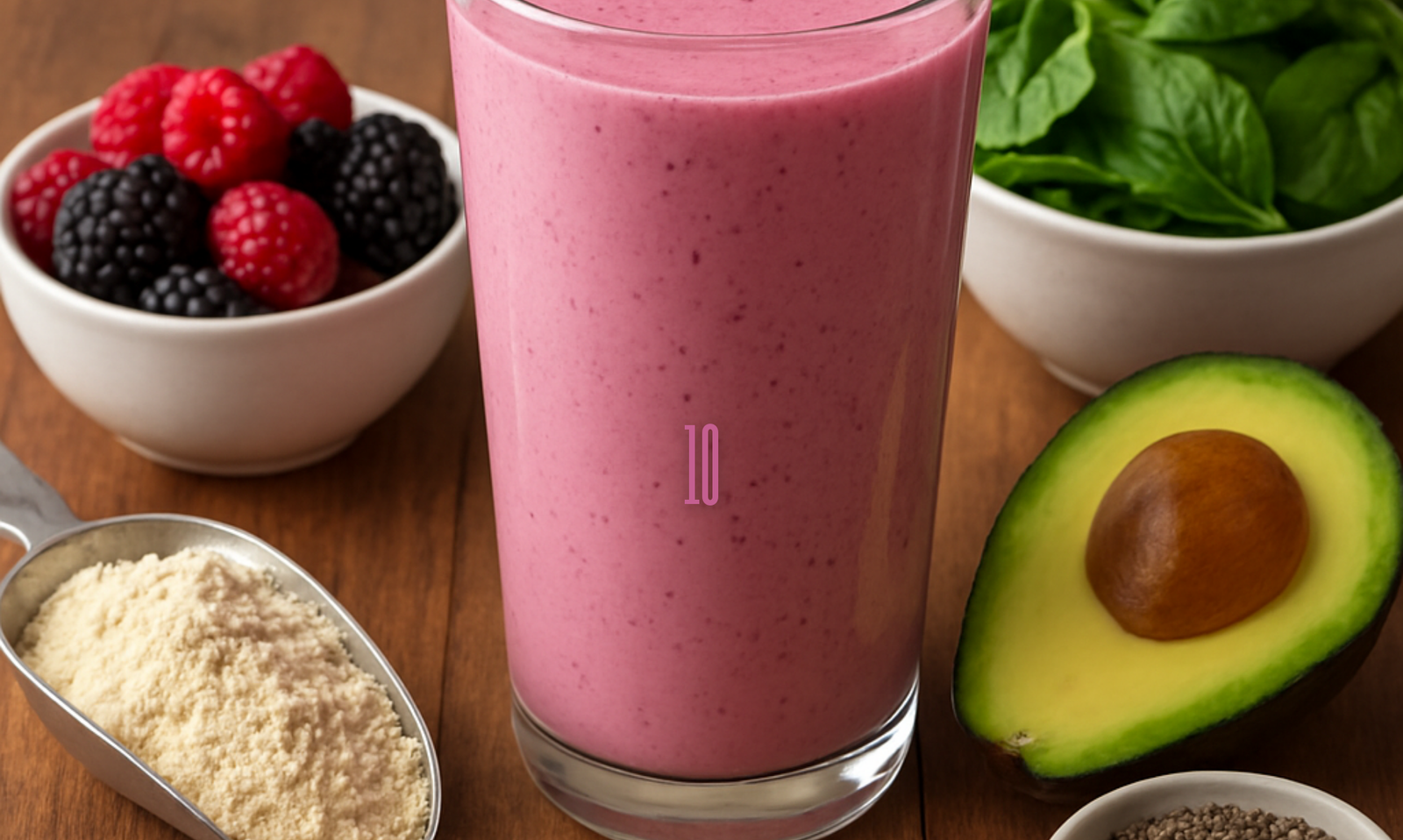
The Smoothie Trap: Why Good Intentions Are Backfiring on the Scale
You made the switch. You replaced the morning bagel with a blender full of spinach, banana, and frozen berries. You swap your afternoon snack for a green smoothie packed with kale and mango. You feel virtuous. You feel healthy. So why does the scale keep creeping upward?
If this scenario feels familiar, you are far from alone. Millions of people fall into the same trap each year, and nutritionists have a name for it: the health halo effect. A food, or drink, that sounds healthy makes us underestimate how many calories it contains, leading us to consume far more than we realise. Research confirms that smoothies, store-bought and homemade alike, frequently become what dietitians call « hidden calorie bombs », drinks that disguise hundreds of excess calories behind a veneer of fruits and greens.
The problem is rarely the fruit itself. The problem is the way most people build their smoothies and the absence of any structured sequence to how they consume them. A randomly assembled smoothie habit, without attention to protein content, liquid base, sugar load, and timing, can easily add 400 to 800 unnecessary calories to your daily intake without registering as a meal in your brain.
In this article, you will learn exactly which ingredients make your smoothies work against your weight loss goals, what the science says about liquid calories and satiety, and, critically, how a deliberate, 21-day structured smoothie sequence fixes these problems by engineering each week’s recipes around specific metabolic targets. Whether you are trying to lose your first 10 pounds or break through a stubborn plateau, the information here is grounded in research and immediately actionable.
To understand why your smoothies may be causing weight gain, you first need to understand how the brain processes liquid calories differently from solid food.
A landmark study reviewed by NutritionFacts.org examined liquid versus solid calorie intake by comparing a group consuming extra sugar via soda against a group consuming the same number of extra calories from jellybeans. The soda group gained weight because their brains failed to register the liquid calories as food, so they continued eating their normal amount on top of the extra drink. The jellybean group, by contrast, unconsciously compensated by eating slightly less throughout the rest of the day. Their brains counted the chewed calories. They did not count the liquid ones.
This mechanism — the failure of the appetite-regulation system to account for calories consumed in liquid form — explains why an innocent-looking smoothie can undermine a carefully maintained calorie deficit. The smoothie does not feel like a meal to your brain, even when it contains as many calories as one. So you drink it, and then you eat your normal breakfast an hour later anyway.
However, the picture is more nuanced than a simple « smoothies cause weight gain » conclusion. Research published in Forks Over Knives (2024), reviewing multiple studies, confirms that how you build your smoothie — specifically its fiber content, protein level, and glycaemic load — determines whether it promotes fat loss or fat storage. The same blender can produce a fat-loss tool or a weight-gain machine. The difference lies in the ingredients and the structure around them.
Smoothies marketed as healthy can cause weight gain when they contain excess fruit juice, added sugars, high-calorie bases, or insufficient protein. The brain poorly registers liquid calories, leading to overconsumption. A structured 21-day smoothie sequence corrects this by engineering recipes around specific protein, fiber, and calorie targets to support sustained fat loss.
Want to skip the trial-and-error and follow a week-by-week smoothie schedule that already accounts for protein levels, calorie load, and ingredient progression? Discover the 21-Day Structured Smoothie Plan
The Seven Hidden Reasons Your Smoothies Are Sabotaging Your Weight Loss
Most people who gain weight from smoothies are not making one dramatic mistake. They are making several small ones that combine into a significant daily calorie surplus. Understanding each of these errors is the first step toward building smoothies that actually support your goals.
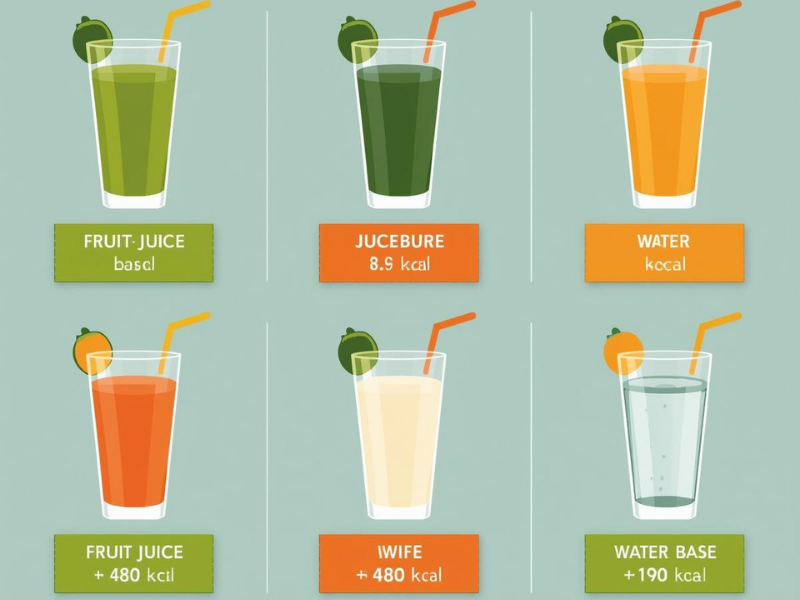
The most pervasive mistake is using fruit juice as a liquid base. Fruit juice delivers all the sugar of whole fruit with none of the fiber that slows its absorption. A single cup of orange juice contains roughly the same sugar as three whole oranges — but without the pulp and fiber that would slow digestion and trigger satiety hormones. Some popular juices contain more sugar per cup than cola. Replacing juice with water, unsweetened nut milk, or coconut water immediately reduces the glycaemic spike and the calorie load of any smoothie.
The second most common mistake is adding too many calorie-dense « healthy » ingredients simultaneously. Avocado, nut butter, coconut oil, whole milk yogurt, and nuts are all genuinely nutritious. But each tablespoon of nut butter adds roughly 100 calories, and most people eyeball their portions. A smoothie that combines half an avocado, two tablespoons of almond butter, and full-fat coconut milk as a base can easily exceed 700 calories — before any fruit is added. As registered dietitian Alissa Rumsey notes, adding healthy fats is beneficial, but portion control remains essential.
The third critical mistake is building a smoothie with no meaningful protein content. Research published in PMC (Dalgaard et al., Journal of Dairy Science, 2023) confirms that a high-protein breakfast reduces subsequent calorie intake and increases satiety hormone concentrations compared to a low-protein, high-carbohydrate meal. A smoothie made only of fruit, juice, and leafy greens may contain less than 4 grams of protein — far too little to activate the satiety signals that prevent overeating later in the day.
The seven most common reasons smoothies cause weight gain instead of weight loss:
What the Science Actually Says About Smoothies and Weight Loss
The relationship between smoothies and body weight is more complex than either smoothie enthusiasts or critics acknowledge. The research does not say smoothies cause weight gain. It says that poorly constructed smoothies, consumed without structure, can contribute to a calorie surplus. Correctly built smoothies, consumed within a deliberate framework, support measurable fat loss.
A clinical trial published in PMC (NCBI) — the Meal Replacement Beverage Twice a Day Study (MDRC2012-001) — enrolled 55 overweight and obese adults who replaced both breakfast and lunch with meal replacement smoothies for 12 weeks as part of a calorie-controlled diet. The completing group lost an average of 13.8 pounds over the 12-week period, while also reporting significant improvements in physical functioning, general health, vitality, and mental health. The per-protocol group — those who followed the plan most consistently — lost an average of 15.2 pounds. Critically, participants reported feeling full for an average of 2.44 hours after each smoothie, demonstrating that the satiety issue is resolved when smoothies are properly formulated.
A broader meta-analysis of six controlled studies, referenced in nutritional research literature, found that weight loss was greater with structured meal replacement plans than with equivalent reduced-calorie traditional diets. The key differentiator in every successful study is the same: the smoothies replaced meals (they were not added to existing meals), they contained adequate protein and fiber, and they were part of a calorie-controlled daily structure.
The conclusion from the science is clear: the smoothie itself is not the problem. The absence of structure is. A smoothie built with a high-sugar base, minimal protein, and no calorie awareness — consumed in addition to a normal breakfast — will cause weight gain. The exact same ingredients, reorganised into a properly formulated meal replacement consumed within a structured weekly sequence, can produce consistent, measurable fat loss.
The Role of Protein: Why Most Green Smoothies Are Missing the Most Important Ingredient
Protein is the macronutrient with the most powerful influence on satiety, appetite regulation, and subsequent calorie intake. A landmark study published in PMC (Leidy et al., International Journal of Obesity, 2010) found that adding a protein-rich breakfast — compared to skipping breakfast or consuming a normal-protein meal — significantly reduced appetite, increased fullness hormone (PYY) concentrations, and led to meaningfully fewer calories consumed at the subsequent lunch meal.
A more recent systematic review and meta-analysis published in PMC (2021) confirmed these findings across ten randomised controlled trials: participants consuming a protein-rich breakfast (averaging 30g of protein) had lower subsequent energy intake (approximately 111 fewer calories at the next meal), higher feelings of fullness, and lower hunger ratings compared to those consuming a normal-protein or traditional breakfast. Consuming 111 fewer calories per meal, applied to two meals per day, adds up to a 220-calorie-per-day deficit — meaningful and measurable progress toward fat loss, without any additional calorie restriction effort.
Most standard green smoothies — made with leafy greens, banana, and fruit — contain fewer than 5 grams of protein per serving. This is insufficient to trigger the satiety signalling pathway that protein activates. The fix is straightforward: add a protein source to every meal-replacement smoothie.
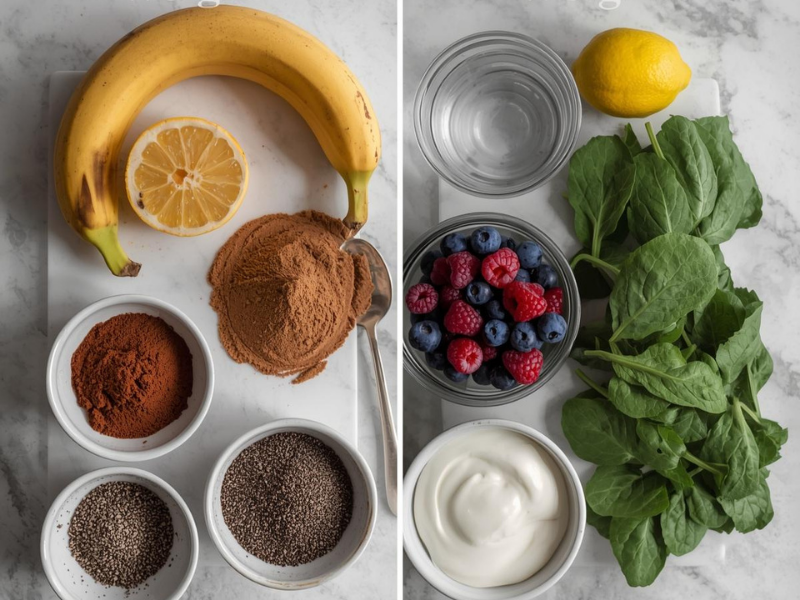
Protein sources that integrate naturally into smoothies:
Aiming for 20–30 grams of protein per meal-replacement smoothie transforms the drink from a blood-sugar spike into a satiating, metabolism-supporting meal that keeps you full for 2–3 hours and reduces your calorie intake at the next eating occasion.
The Glycaemic Problem: Blood Sugar Spikes, Crashes, and the Cravings They Create
One of the most significant ways that poorly built smoothies drive weight gain is through their impact on blood sugar. When you consume a high-sugar smoothie — particularly one made with fruit juice, ripe banana, mango, and sweetened yogurt — your blood glucose rises sharply. Your pancreas responds by releasing a surge of insulin to bring it back down. The sharp insulin response frequently overshoots, driving blood glucose below baseline and triggering a genuine physiological craving for high-calorie, fast-digesting carbohydrates within 60 to 90 minutes of drinking the smoothie.
This blood sugar cycle is not a failure of willpower. It is a predictable hormonal response to a high-glycaemic liquid meal. Research published in Forks Over Knives (2024), reviewing multiple studies, notes that early concerns about smoothies causing glycaemic spikes are more nuanced than previously thought: some fruits actually produce a lower blood sugar response when blended than when eaten whole, because blending releases fiber from seeds (particularly seeded fruits like raspberries, blackberries, and passionfruit) that slows glucose absorption. A 2022 study published in the journal Nutrients found that an apple-berry smoothie produced a significantly lower glycaemic response than the equivalent whole fruits consumed separately.
The practical implication is this: the composition of your smoothie’s fruit content matters significantly. Low-glycaemic fruits (berries, cherries, green apple, peach) blended with fiber-rich vegetables and protein generate a gradual blood glucose response that supports sustained energy and suppressed appetite. High-glycaemic combinations (ripe banana + mango + fruit juice + sweetened yogurt) create the spike-and-crash pattern that drives mid-morning cravings and overeating.
Lower-glycaemic fruit choices for weight-loss smoothies:
What a 21-Day Secret Sequence Actually Means And Why Progression Matters
The phrase « 21-day secret sequence » refers to a specific structural principle that separates effective smoothie plans from ineffective ones: the deliberate, week-by-week variation of ingredient ratios, macronutrient composition, and calorie load to prevent the body from adapting to any single dietary pattern.
When you consume the same smoothie recipe every day for three weeks, two things happen. First, your body adapts metabolically, becoming more efficient at processing the specific macronutrient combination you are providing. Second, your taste receptors habituate to the flavour profile, and the psychological reward of the smoothie decreases, making adherence harder. Both of these outcomes work against your progress.
A structured 21-day sequence prevents this by introducing a different nutritional emphasis each week. The first week typically focuses on digestive reset and glycogen depletion — using lower-sugar, higher-fiber green smoothies to shift the body’s primary fuel source away from readily available glucose. The second week shifts toward metabolic activation — increasing protein content and introducing metabolism-supporting ingredients like ginger, cinnamon, and antioxidant-rich berries to encourage the body to draw on fat stores more actively. The third week focuses on deep nourishment and consolidation — incorporating anti-inflammatory ingredients, healthy fats, and slightly higher calorie density to prevent the metabolic slowdown that accompanies extended calorie restriction.
Research published in Scientific Reports (Nature, 2025) confirms that this progressive approach produces superior results: a group following a protein-enriched, progressive meal replacement intervention combined with moderate exercise showed continuous fat loss throughout an 8-week period, while an exercise-only control group experienced a measurable weight loss plateau between weeks 3 and 8. The progressive nutritional stimulus kept the intervention group’s metabolism from fully adapting to the dietary change.
What the three-week progression looks like in practice:
How to Audit and Fix Your Current Smoothie Habit
You do not need to throw out your blender or give up smoothies entirely. You need to audit what is going in it and make targeted adjustments. The following framework helps you identify exactly where your current smoothie habit is working against you.
The Fix Is Simpler Than You Think: Structure, Sequence, and the Right Ingredients
The reason why your « healthy » smoothies are making you gain weight is not a lack of effort or a lack of good intentions. It is a structural problem — the right ingredients assembled in the wrong proportions, consumed without a framework that accounts for protein, glycaemic load, calorie density, and weekly progression.
The research is consistent on this point. Liquid calories are processed differently by the brain than solid food calories, which means that a poorly built smoothie can add hundreds of hidden calories to your day without triggering the appetite suppression that a solid meal of equivalent calories would produce. A fruit-juice-based, low-protein, high-sugar smoothie consumed alongside a normal meal is a reliable path to a calorie surplus — regardless of how many green vegetables it contains.
The solution is not to stop making smoothies. The solution is to build them correctly and consume them within a structured, progressive sequence designed around your metabolic needs. A smoothie with 20–30 grams of protein, a fiber-rich vegetable base, low-glycaemic fruit, and a low-calorie liquid base — consumed as a meal replacement rather than an addition — becomes a genuinely powerful tool for fat loss, sustained energy, and improved metabolic health.
A 21-day structured smoothie sequence takes this principle further by varying the ingredient ratios, protein content, and calorie load across three weeks to prevent metabolic adaptation. Clinical research on structured meal replacement programs shows average losses of 10–15 pounds over 12 weeks in completing groups, with significant improvements in general health, mental wellbeing, and satiety. Applied thoughtfully over 21 days, the approach produces real and measurable progress — without extreme restriction, without eliminating solid food, and without giving up the convenience that made smoothies appealing in the first place.
You can access the structured smoothie sequence here and stop guessing and start following a professionally designed, week-by-week sequence that has already engineered the protein levels, ingredient progression, calorie targets, and recipe variety for all 21 days.
Summary Table of Scientific References
| # | Study / Source | Key Finding | Relevance |
|---|---|---|---|
| 1 | NutritionFacts.org — Liquid Calories: Do Smoothies Lead to Weight Gain? (2024, citing Raben et al., 2000) | Participants consuming extra calories as soda gained weight because the brain failed to register liquid calories, unlike solid food calories; the « jellybean vs. soda » study demonstrates differential appetite regulation | Explains the core mechanism by which high-calorie smoothies cause weight gain without triggering fullness |
| 2 | Dalgaard et al. — Journal of Dairy Science (2023) | A protein-rich breakfast (≈30g protein) significantly increased satiety and reduced cognitive hunger compared to a low-protein, high-carbohydrate breakfast in overweight young women | Directly supports the need for 20–30g protein in meal-replacement smoothies to activate satiety signals |
| 3 | Leidy et al. — International Journal of Obesity (2010), PMC | A protein-rich breakfast reduced appetite, increased PYY (satiety hormone) concentrations, and led to significantly fewer calories consumed at lunch, compared to a normal-protein breakfast or skipping breakfast | Confirms that protein content in smoothies is the primary driver of their ability to reduce total daily calorie intake |
| 4 | Systematic Review & Meta-analysis — PMC (2021), 10 RCTs | High-protein breakfasts reduced subsequent energy intake by approximately 111 kcal and increased fullness ratings vs. normal-protein breakfasts in children and adolescents | Quantifies the calorie-reduction benefit of protein-rich meal-replacement smoothies at subsequent meals |
| 5 | PMC — Meal Replacement Beverage Twice a Day Study (MDRC2012-001) | Completing participants lost an average of 13.8 lbs over 12 weeks; per-protocol group lost 15.2 lbs; participants felt full for 2.44 hours per smoothie; significant improvements in physical functioning, mental health, and hunger regulation | Primary clinical evidence for the effectiveness of structured meal-replacement smoothie programs for weight loss |
| 6 | Meta-analysis of 6 studies (cited in nutritional literature) | Weight loss was greater with structured meal replacement programs than with equivalent reduced-calorie traditional food diets | Establishes meal replacement smoothie plans as superior to ad-hoc calorie reduction for measurable weight loss outcomes |
| 7 | Scientific Reports (Nature, 2025) — Protein-Enriched Intermittent Meal Replacement + Exercise | Progressive meal replacement + exercise group showed continuous fat loss over 8 weeks; exercise-only group plateaued between weeks 3–8 | Supports the 21-day progressive ingredient sequence as a strategy to prevent metabolic adaptation and maintain fat loss momentum |
| 8 | Forks Over Knives — Are Smoothies a Nutritional Pitfall? (2024, citing Nutrients journal, 2022) | Apple-berry smoothie produced a significantly lower glycaemic response than the equivalent whole fruits; seeded fruits release additional fiber during blending, blunting blood glucose spikes | Nuances the blood sugar argument: correctly built smoothies with seeded fruits can produce better glycaemic outcomes than whole food equivalents |
| 9 | Rumsey, A. MS, RD — cited in BODi (2024) | Consuming liquid food too rapidly prevents the stomach from signalling fullness to the brain; eating or drinking over at least 20–30 minutes meaningfully improves satiety responses | Supports the practical recommendation to drink smoothies slowly as a meal, not as a beverage consumed in addition to a meal |
| 10 | Sabat, M. MS, RDN, LD — cited in Eat This, Not That! (2023) | Natural sweeteners like honey, maple syrup, and agave nectar are calorically significant and contribute to weight gain when used in excess; monitoring sweetener use is essential in weight-loss smoothies | Directly addresses the « natural sweetener » health halo misconception that contributes to covert calorie surplus in smoothies |
| 11 | Groppo, L. (Stanford Health Clinical Dietitian) — cited in Prevention | To support weight loss, keep snack smoothies under 150 calories and meal-replacement smoothies under 350 calories; the smoothie must genuinely replace the meal rather than supplement it | Provides calorie benchmarks for properly structured meal-replacement smoothies for weight management |
| 12 | Taub-Dix, B. RDN — cited in Prevention & PhillyVoice (2023–2024) | Smoothies have acquired a « health halo » even when loaded with fruit juice and syrups; smoothies can cause a temporary sugar high followed by rapid return of hunger due to the absence of fiber and protein | Articulates the health halo effect that causes people to underestimate smoothie calorie content and overconsume them |
Medical Disclaimer
The information provided in this article is intended for educational and informational purposes only. I am not a doctor, registered dietitian, or licensed healthcare professional. Nothing in this article constitutes medical advice, and the content should not be used as a substitute for consultation with a qualified medical or nutritional professional.
Before making any significant changes to your diet, beginning a calorie-restricted eating program, or replacing meals with smoothies or other liquid foods, please consult your physician or a registered dietitian — particularly if you have any pre-existing health conditions including but not limited to diabetes, cardiovascular disease, thyroid disorders, digestive conditions, eating disorders, or kidney disease.
Individual results from any dietary strategy vary significantly based on age, body composition, hormonal health, activity level, sleep quality, and dietary adherence. No weight loss outcome described or referenced in this article should be interpreted as typical, average, or guaranteed.
This article may contain affiliate links. If you choose to purchase through one of these links, I may earn a small commission at no additional cost to you. All content and recommendations are provided in good faith, based on publicly available nutritional research.